
[Moderator's note: We have been a bit remiss at splitting this off into a new thread for 2012, but here it is, finally!
Lori]
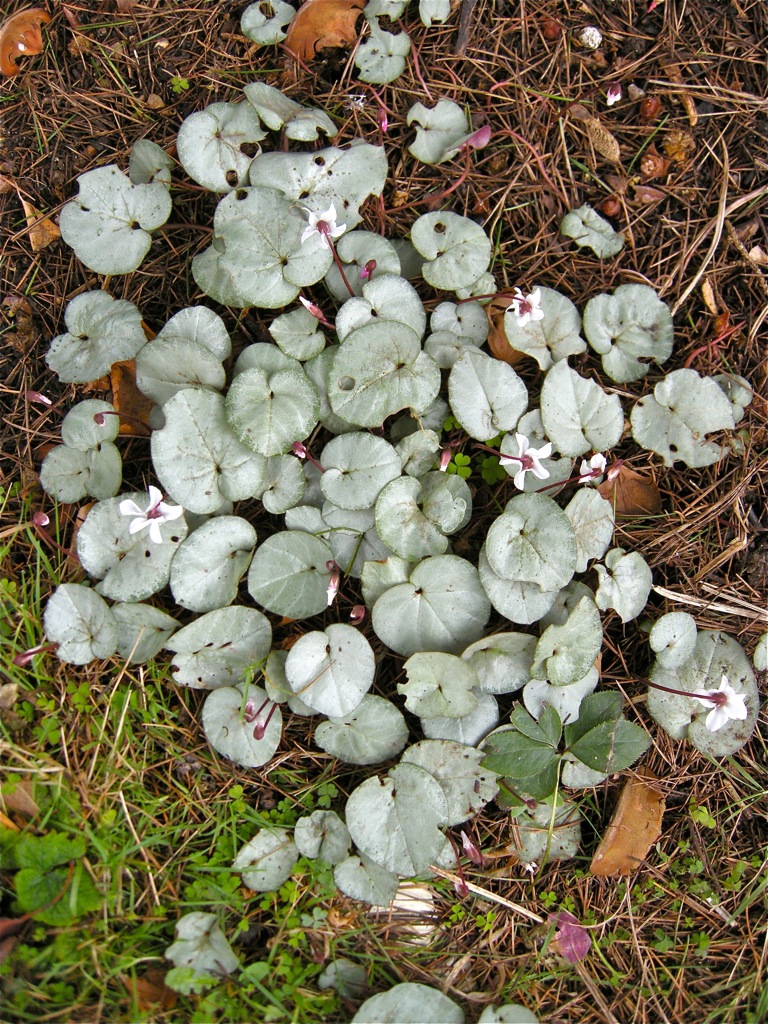
A mix of things flowering or looking interesting in the garden at the moment. The garden is waking up with hellebores and many bulbs soon to come.
Narcissus panizzianus grown from Archibald seed. The flowers are small but always very early.
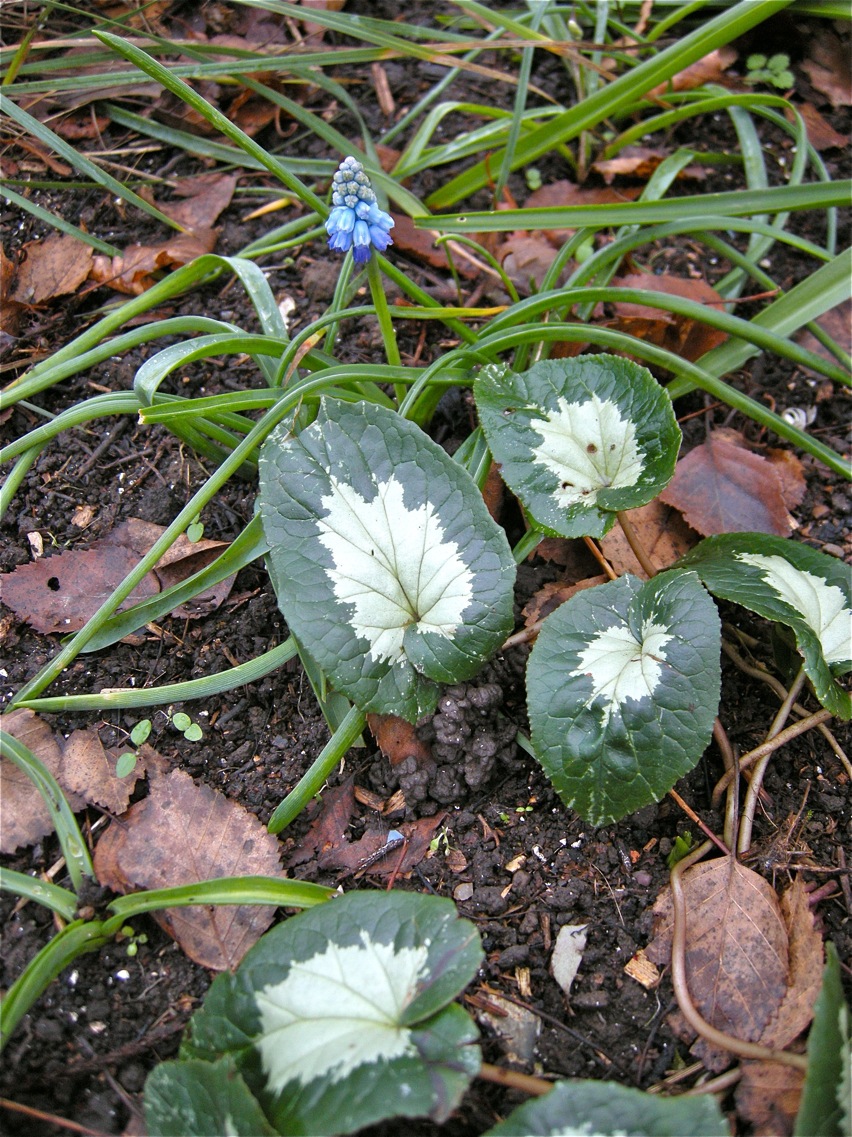
Muscari pseudomuscari, ditto. This is a lovely tidy species, growing here with a selection of Cyclamen hederifolium.
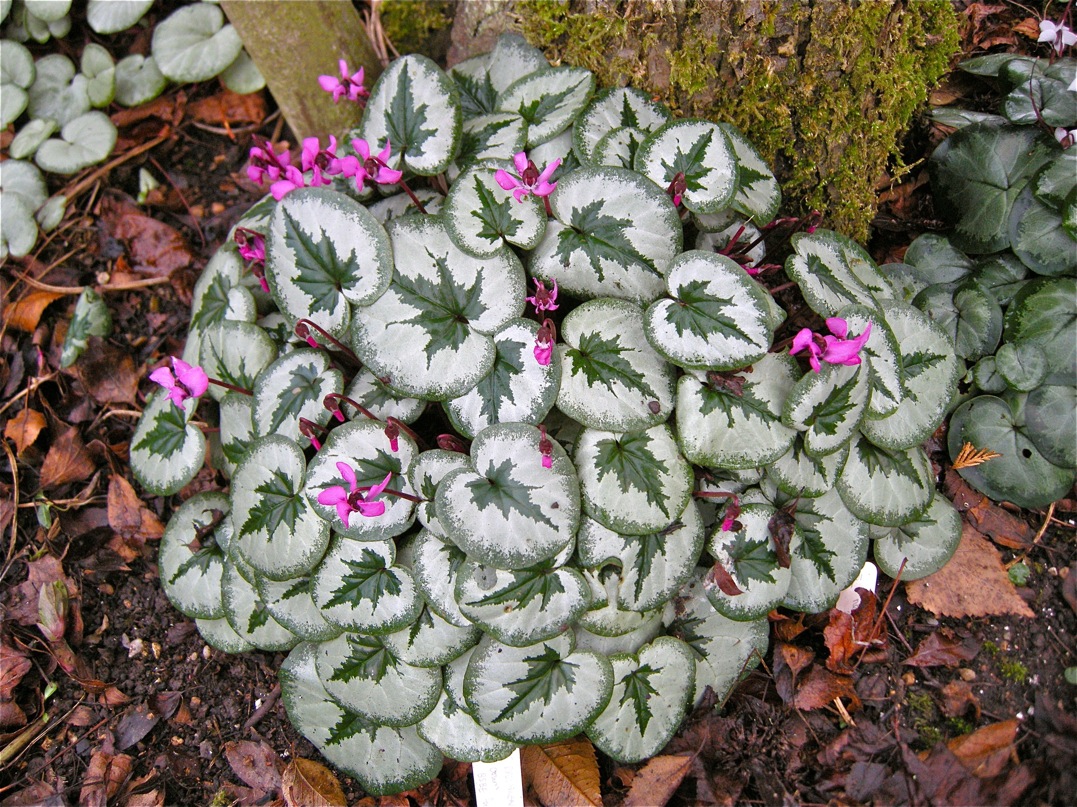
Cyclamen coum. Two forms with very silvered leaves from Tilebarn Nursery.
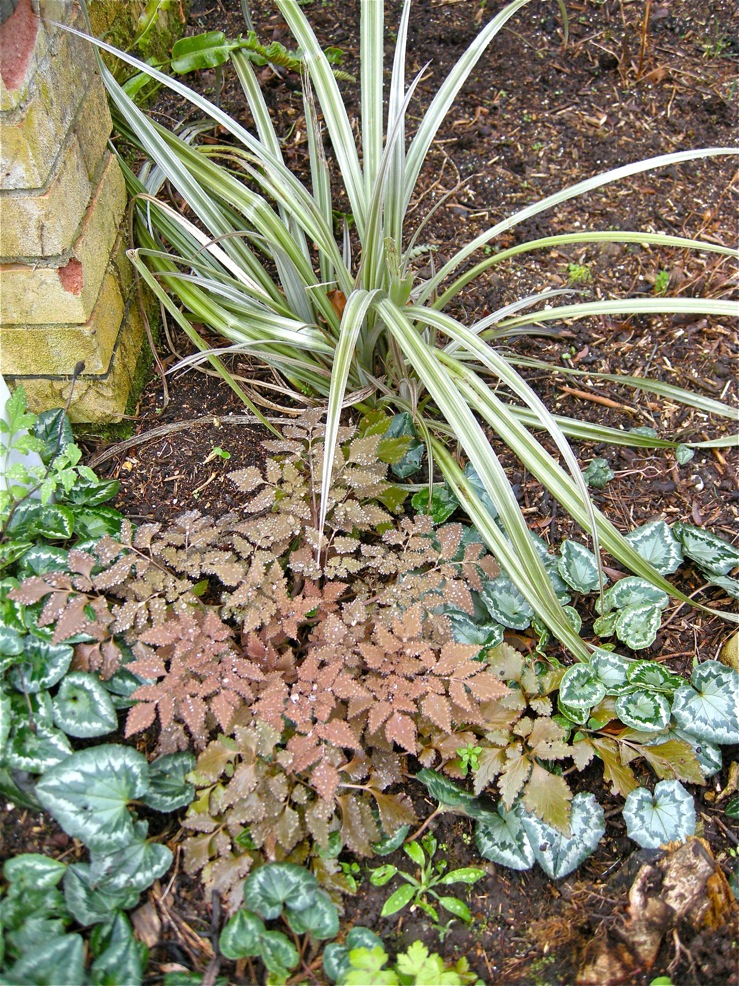
Corydalis quantmeyeriana 'Chocolate Stars' growing with cyclamen and Astelia nervosa. The corydalis is new to me and I haven't yet seen the flowers, but what foliage! I rather like this combination.
Sarcococca confusa. An unassuming shrub but one of the most delightful and scented winter flowers, and usefully tolerant of dry shade.


Comments
Mark McDonough
Re: What do you see on your garden walks? 2012
Sun, 07/08/2012 - 2:29pmCohan, I have run into Delosperma 'Kelaidis' at a general nursery myself, had a similar reaction as yours :)
Panayoti sent me a box of various "Delos" in 2010, which I duly planted, but received some advice after I had planted most in troughs, that they are less likely to survive in troughs, and show improved hardiness when planted directly in the ground. One that he sent me was a "new species" but I think this is the one that is now named "FIRESPINNER" (PK, let me know if that assumption is correct). It grew in the trough that first summer and looked terrific, even through the winter, but in late winter early spring it went into a slow demise, not turning mushy or anything, just losing any life color and slowly browning until it was dead by full spring. Saddened I was, but there was a glimmer of hope.
When I first planted it in a trough, a piece broke off, and I stuck it into some sandy soil at the base of the trough. That little piece is still alive and growing, now I must move it to a more permanent place of honor in a warm sunny spot.
cohan (not verified)
Re: What do you see on your garden walks? 2012
Sun, 07/08/2012 - 7:23pmThanks, Mark, I'll likely try to keep a piece indoors just in case..
What about soil/moisture? Should I be deliberately trying to keep it dry (once in ground)? I have read that the hardy Delos in general are not dryland plants, but rather alpines, and as such want good drainage, of course, but not actually to be parched..
Richard T. Rodich
Re: What do you see on your garden walks? 2012
Sun, 07/08/2012 - 8:41pmI received that hemerocallis from Chen Yi many years ago as H. nana. (Obviously not that!) There sure are a varied bunch of identities for H. citrina on the web. But from what seems to be the most verifiable, I think you are right, Mark. At the least, citrina and altissima are very closely related.
The Flora of China doesn't even recognize an H. altissima, and views it as a synonym of H. citrina. And the drawing there does seem to match.
http://efloras.org/florataxon.aspx?flora_id=2&taxon_id=200027672
Even more so this H. citrina on the Plant Delights site:
http://www.plantdelights.com/Hemerocallis-citrina-Yao-Ming-Yao-Ming-Dayl...
Mine also normally has 5ft. scapes. Maybe I should be selling mine for $25 a shot, too! :D Actually, mine is even better because it hast the enviable characteristic of dark tipped buds. ;D
Mark McDonough
Re: What do you see on your garden walks? 2012
Mon, 07/09/2012 - 7:33amLooking again, I see that The Plant List, Tropicos, and other sources all regard H. altissima as a synonym of H. citrina, didn't notice that before. So citrina it is, and a most attractive daylily it is. I will ask a daylily hybridizer friend of mine (Mike Huben) about the citrina-altissima question, as certainly the name altissima is often credited in daylily hybridization reports. Mike has been working on some hybrids with near black stems, which set off the flowers nicely; the dramatic coloration does tend to fade to a gray color during anthesis.
Trond Hoy
Re: What do you see on your garden walks? 2012
Tue, 07/10/2012 - 1:48pmCohan, I have planted my fat plants in a mixture of pebbles, sand and organic soil:
The commoner rocky subjects here are Sedums like S spurium, a Caucasus native which has spread enormously here. They come in all shades of "red".
The yellow Hemerocallis is finished but the brown H fulva is in flower now. It is a very old garden plant here and every other old house has a clump of it. Here it grows "wild" with other plants like these Campanulas and the weedy Lysimachia punctata.
Trond Hoy
Re: What do you see on your garden walks? 2012
Tue, 07/10/2012 - 1:57pmNothing is growing in tidy beds but all plants have to struggle for life in a semi wild planting scheme together with the native ones.
Here are some Geraniums, a Securigia, a Trifolium and a Tanacetum(?). The last one is biennial and very floriferous from Chadwell seed.
Trond Hoy
Re: What do you see on your garden walks? 2012
Tue, 07/10/2012 - 2:07pmAlthough it has rained much in the rest of the country the last days we have had nice and warm (that is about 25C here) weather and enough rain so I don't need to water anything.
The insects have appreciated the sun an the thyme and several of the other plants have been eagerly visited by honeybees and other insects. Lots of them paid the Erigeron a visit too - and a species rose, also Chadwell seed.
Richard T. Rodich
Re: What do you see on your garden walks? 2012
Tue, 07/10/2012 - 5:24pmTrond, your Tanacetum? looks like Matricaria, except that is an annual...
Todd Boland
Re: What do you see on your garden walks? 2012
Tue, 07/10/2012 - 7:39pmI think I have finally caught up to you Trond....Hemerocallis fulva is just starting in my area too.
cohan (not verified)
Re: What do you see on your garden walks? 2012
Tue, 07/10/2012 - 9:29pmNice views, Trond- I am working on some areas like this too-- but except for the mostly wild areas, I need to weed quite a lot or they will still be mostly grass, dandelions and clover!
I have a lot of daylilies here too (as I mentioned before on the forum)- though I'd call them orange-- I still have to figure out what to do with them... no flowers yet this year, that I've seen, though they may come along faster with this recent weather- we've been 28-30C or a little over, and more days of it to come...
Trond Hoy
Re: What do you see on your garden walks? 2012
Wed, 07/11/2012 - 12:13amRick, I am pretty sure it is a Tanacetum. I got seed from Chris Chadwell and think(!) I remember the name. It is very similar to T niveum although that presumably is a perennial.
Todd, I am sure you have!
Trond Hoy
Re: What do you see on your garden walks? 2012
Wed, 07/11/2012 - 12:18amCohan, I am too lazy to weed much! Grass and Leucanthemum are problematic, but not clover or dandelions ;)
Toole (not verified)
Re: What do you see on your garden walks? 2012
Wed, 07/11/2012 - 1:22amMoisture on Meconopsis .
Cheers Dave.
Michael Peden
Re: What do you see on your garden walks? 2012
Thu, 07/12/2012 - 7:46amI'm ever impressed by the intricacies of texture and detail that our little subjects provide and am amazed by it every time I go out into the garden. Is there a rock garden anywhere where such delights are not fully loved and admired? Here's some of the best of it in my garden right now: Gypsophila aretioides and detail; Draba rigida bryoides; Minuartia obtusiloba and Vitaliana; Azorella trifurcata, an antipodian and Muhelenbeckia axillaris, another.
I become even more aware of this potent green life force as cool weather approaches and the plants really begin to settle in. Can't you just feel the energy in these little green rock eaters? Words cannot describe.
Below: Low humidity, temperatures in the 80's and no rain for days. Our climate is beginning to show its satanic side. I've heard it said that treated (city) water is not good for alpines but it's looking like that or nothing. Here's a couple of surprising holdouts from markedly different habitats both are growing right in the eye of the sun: Androsace muscoidea and Loiseleuria procumbens. The Androsace has the glancing blow on a north side the Loiseleuria does not.
I've actually been consciensly watering the re-jiggered cactus garden in the belief that these things will grow better if the roots are not grounded in dust, at least for an hour or two on many hot afternoons. There's great suffering among the rock Primulas and many of the Saxifrages.
Trond Hoy
Re: What do you see on your garden walks? 2012
Thu, 07/12/2012 - 11:02pmAn interesting collection you have there, Michael! I am familiar with Loiseleuria as it is a native and very common in the mountains here. It always grows on the most exposed ridges and gets full share of the weather! I did grow Azorella too, and it seemed to really like the wet coastal climate where I live but was ultimately crowded out by large shrubs. The others are completely new to me ;)
Loiseleuria procumbens in the wild, taken a couple of years ago:
Stephen Barstow
Re: What do you see on your garden walks? 2012
Fri, 07/13/2012 - 1:06amAlthough not current (it will be 2 months before I will see this scene here) here's a picture of what I have as altissima and citrina growing side by side, no guesses as to which is "altissima" ;)
Michael Peden
Re: What do you see on your garden walks? 2012
Fri, 07/13/2012 - 8:01amJust a couple I snapped yesterday evening: Pretty light on this PeeGee Hydrangea in grass: Head high garlic scapes! And -a good crop for acid sand though if I want to eat them at all I must settle for "slightly under-done".
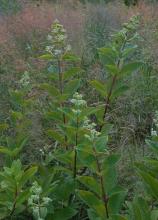
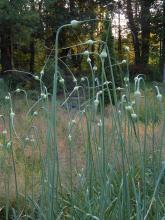
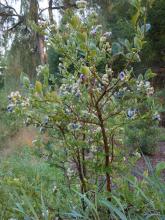
Trond; I've seen Loiseleuria put on more than an inch of growth a season if all is just right. The hot sun stresses them. I'm just kind of amazed how heat resistant they really are!
Toole (not verified)
Re: What do you see on your garden walks? 2012
Sat, 07/14/2012 - 2:53amMichael
Thought you might like a shot of the Muehlenbeckia's natural environment in Fiordland .
Growing on rocky ground -banks -- stream beds--gravel fans .
While I've photographed it in bloom on a number of occasions while travelling about the South Island i don't think I've a shot of it in fruit.
Cheers Dave.
Michael Peden
Re: What do you see on your garden walks? 2012
Sat, 07/14/2012 - 7:32amFantastic! Thanks Dave. I've seen a pretty good show of blossoms here. If it made fruit or seed; It was not showy but the shiny olive green foliage is unlike anything else in the garden.
Richard T. Rodich
Re: What do you see on your garden walks? 2012
Sat, 07/14/2012 - 8:42pmNative plants here - Ratibida pinnata and Campanula americana
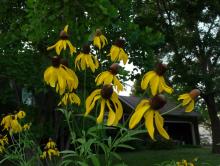
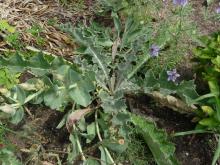
Our newest ivasive thistle in Minnesota - Onoporum acanthium (Scotch Thistle). I had been letting it grow where it came up, since I didn't recognize it as a weed or a desireable until now. At least I think that is what it is...
And a slug of unknown Arisaema spp.
The last little bugger a friend identified, but what did I do with the name ???
Howey (not verified)
Re: What do you see on your garden walks? 2012
Sun, 07/15/2012 - 3:48amTouring around the garden in the early morning is rather depressing these days - so dry and when we do water it doesn't seem to stay around long - lots of wilting phlox, burnt up wood ferns and thalictrums and Amazonia didn't even bloom this year although the leaves look OK. However, amid this devastation there are some survivors - a blue Platycodon is "business as usual" and Anthericum racemosum is quite fantastic. Surprisingly the Maiden Hair Fern is lovely and Ipomopsis rubra is delivering its wonderful red again. The one that really surprises me is Zauschneria californica. In former years, in its high and dry spot, it has barely flowered before giving up. This year it is full of life with plenty of fat red flower buds. Beebalm is a washout (I should say dry out) - I think if it were near some big rocks it would do better. And I've never seen so many marauding chipmunks and mice turning up pots and doing other nasty things to the plants. This dry time has been a learning time telling me that certain plants MUST be moved to another spot. Fran
Frances Howey
London, Ontario, Canada
Zone 5b I guess
deesen (not verified)
Re: What do you see on your garden walks? 2012
Sun, 07/15/2012 - 11:50amFrances, you should invite me over to put shade paint on your greenhouse. Whenever I do mine it rains for ever-or so it seems. We haven't had a dry day this month so far, which followed 24 wet days in June.
Lori S. (not verified)
Re: What do you see on your garden walks? 2012
Sun, 07/15/2012 - 8:58pmFrances, I'd love to see the ones you mention - Anthericum, Ipomopsis, maiden hair fern - they are not so commonly grown here; nice to hear that they are doing well despite the weather challenges.
Good heavens, David, what horrible weather you seem to be having! Maggi mentioned a little while back that there is nothing but unending rain in her area as well, and yet it continues. It struck home for me how awful it must be when I saw in the local news that the Times of London published an editorial demanding that it stop raining!!
Nothing so fine here as has been shown in the preceding photos, but it's time again to try to catch up a little...
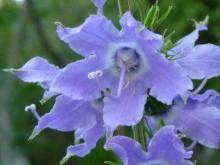
Lindelofia anchusoides and the very similar Lindelofia longiflora:
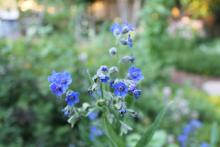
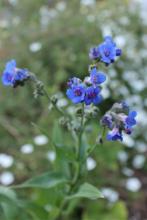
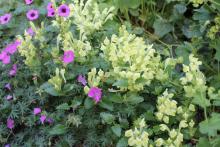
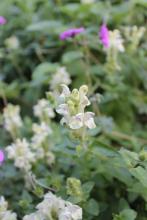
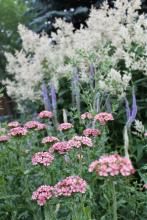
Scutellaria orientalis v. alpina; Scutellaria alpina; Lychnis chalcedonica cv. with Veronicastrum sibiricum and Persicaria polymorpha:
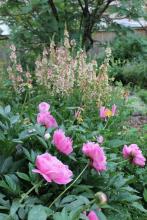
Paeonia cv. with Verbascum ex. 'Helen Johnson':
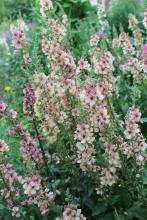
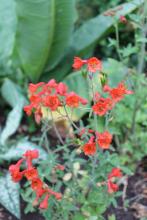
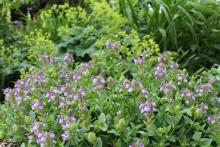
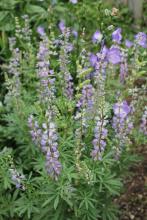
Delphinium nudicaule 'Fox', planted this year; another Scutellaria alpina; Lupinus argenteus:
Lori S. (not verified)
Re: What do you see on your garden walks? 2012
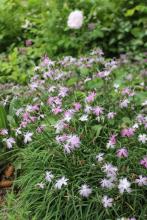
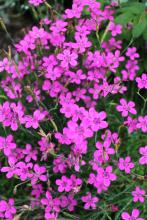
Sun, 07/15/2012 - 9:13pmDianthus monspessulanus has rather messy, irregular flowers but a wonderful scent - perfumey, rather than spicy... and another Dianthus, one that some may find eye-searing ;) :
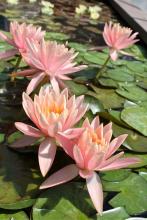
In the greenhouse - Nymphaea 'Colorado' and 'Helvola':

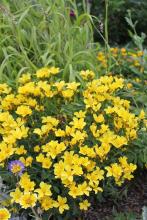
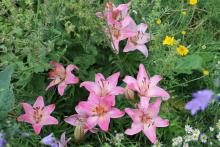
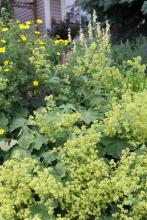
Linum flavum compactum; Lilium 'Pink Pixie'; Dracocephalum purdonii(?); lots of chartreuse and yellow in this photo with Alchemilla mollis, Dasiphora fruticosa and Digitalis grandiflora:
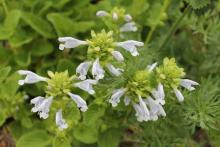
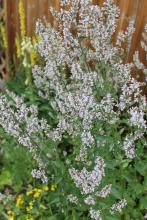
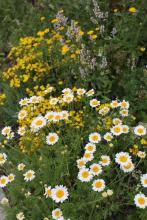
Out along the fence - Nepeta nuda, Anthemis carpatica:
tropicalgirl251... (not verified)
Re: What do you see on your garden walks? 2012
Mon, 07/16/2012 - 8:31pmLori your plants look very nice.
I have some pictures taken last week.Non-stop rain for the last two days.
Lori S. (not verified)
Re: What do you see on your garden walks? 2012
Mon, 07/16/2012 - 10:47pmThanks, Krish! Yours are very nice too!
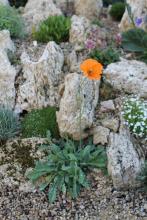
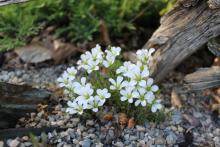
Papaver sp. ex. Tajikistan; Arenaria grandiflora:
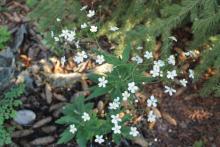
Ranunculus platanifolium; Geranium pratense ex. 'Midnight Reiter' - nice that the seeds come true, at least in so far as having dark foliage; our native Geranium viscosissimum; Hieracium villosum:
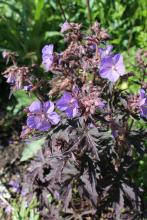
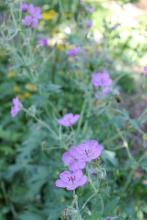
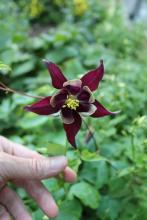
An interestingly-coloured columbine, among the self-seeded multitudes; Adenophora remotiflora and Geranium x cantabrigiense 'Biokovo';
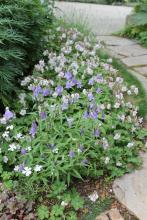
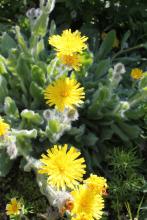
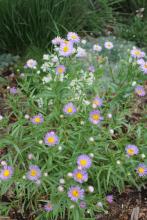
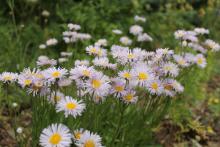
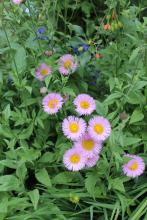
Erigeron grandiflorus; Erigeron glabellus:
Lori S. (not verified)
Re: What do you see on your garden walks? 2012
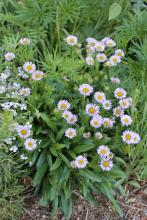
Mon, 07/16/2012 - 10:56pmErigeron peregrinus ssp. callianthemus and Erigeron speciosus:
Howey (not verified)
Re: What do you see on your garden walks? 2012
Tue, 07/17/2012 - 3:52amLori: You really must have a fabulous garden - those lovely pictures you post make me feel like I'm actually touring around with you looking at all the treasures there. It must be a very large and "concentrated" garden and you must have great soil/tufa and weather (moisture) in addition to your obvious expertise. Thanks for this almost daily treat - rain or shine. Fran
Frances Howey
London, Ontario, Canada
Zone 5b
Michael Peden
Re: What do you see on your garden walks? 2012
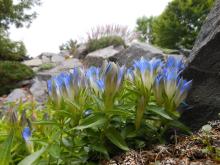
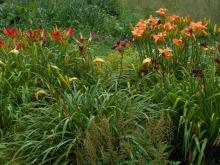
Tue, 07/17/2012 - 7:32amGentiana septemfida and Acantholimon make a pretty pairing. The Gentian is also nice with Silene schafta when they bloom together. The perennial 'plunk' is pretty much about Daylilies these days. The warm pastels sparkle.
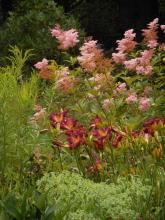
A shrubby Hypericum from near Black Balsam in North Carolina and 'Brunette' bugbane with milkweed
Lori S. (not verified)
Re: What do you see on your garden walks? 2012
Tue, 07/17/2012 - 9:07amThanks for the kind words, Fran! It is pretty large - just under 1/3 acre, with no lawn. Well, I wouldn't say that the soil is great everywhere - when we first removed the grass to make beds in the back yard, we just piled a foot of organic soil/compost on the bed and planted (it was like planting in chocolate cake - no trowels or spades needed ;D), then added fine bark mulch as a topping. That was long ago, though. If I was to redo some beds (which I should do), I'd be inclined to do that again to replenish things. In the front yard, we just dug out grass in big swathes, then filled in the void with bark mulch immediately after (wanted to protect the many tree roots and not raise the soil level too much)... so there is lots of pretty lousy soil (clay and rocks) tool The worst is at the far end of the fence line, where things get sparser and sparser along in that direction; the other reason for sparseness is that it's in the upwind, northwesterly direction and the seeds from the rest of the yard don't generally get blown out there to colonize things. (Ha, there's the secret to my gardening, if there is one... complete randomness - the wind does most of my planting for me. ;D Unfortunately, the wind only has the same old perennials to work with... now if only there were some really interesting gardens upwind from me...).
Re. moisture, we have been having wet springs the last few years, but the norm is to be pretty dry - I tend not to be able to grow moisture-loving plants well at all.
Michael, again I have to say that your garden is fabulous!! Thanks for showing it to us! I'd love to have enough space (and moisture) for a tract of queen of the prairie (and all the other delights you show)... wonderful!
Lori S. (not verified)
Re: What do you see on your garden walks? 2012
Tue, 07/17/2012 - 9:21amKrish, do you have to support your Clematis recta? It looks somewhat more upright than mine. These recumbent, not-quite-climbing ramblers (C. recta, C. integrifolia) are always a problem for me - I never have the right support figured out or available (or am too lazy to get it out there at the right time ;)).
deesen (not verified)
Re: What do you see on your garden walks? 2012
Tue, 07/17/2012 - 9:45amYes, it's been a God awful Summer in most parts of the UK so far (apart from the Western Isles off the cost of Scotland who have missed it all and are crying out for rain.
Apparently it's all the fault of the Jet Stream which has been positioned to the South of the British Isles and Ireland and forcing out any high pressure systems moving in from The Azores and allowing in all the Atlantic low pressure systems. I live in the South West of England and we get all the prevailing south west winds and systems first. I live around 15 miles from the coast
on the southern escarpment of Dartmoor and the moor also affects our weather. For example, today has been continual drizzle and a heavy mist and 14C whereas no more than three miles to the east of us the temperature was 22C and blue sky.
The forcasters tell us that Jet Stream is slowly moving north and we should be getting some better weather soon. But will they get it right? ???
cohan (not verified)
Re: What do you see on your garden walks? 2012
Tue, 07/17/2012 - 11:13amDavid- they are talking about English weather on tv on account of the upcoming olympics.. hope some reasonable weather happens!
Great garden showings all!
Lori, do you find the Erigerons interbreed or stay distinct?
Michael, I have some baby Azorellas and need to figure out what sort of siting they need (exposure, moisture, soil and space) any tips?
and Lori, ditto to that advice re: Alchemilla mollis -I only have one plant bought for a dollar, so just wondering how much space to give it in particular..
Lori S. (not verified)
Re: What do you see on your garden walks? 2012
Tue, 07/17/2012 - 1:12pmCohan, I can't say I've noticed any hybridization among erigerons in my yard.
Alchemilla mollis is very large here (~4' diameter)... however, it takes some years to get to full size. Not a fussy plant at all (I think that's what I always say, isn't it?) - I have them in full sun through to mostly shade, in what was once rather nice organic-rich soil through to unamended clay. And it's normally pretty dry here everywhere (at least after the spring rains) and it doesn't mind.
If you don't mind me commenting on this one too, there's probably no need to allot too much space initially to Azorella trifurcata in our climate. It's hardy but not a fast spreader and you can always move things out of its way with time as needed. My old original plant (which I bought, and used to think of, as Bolax gummifera but eventually ID'd) got to 28" x 22" in 8 years... though about a third of it died in last winter's strangeness. (It is coming back though.) Full sun, and nothing extraordinary in terms of soil quality (i.e. regular garden soil - I've never grown it in the rock garden) or moisture, seems to suit it fine here. You can cleave off chunks easily and plant them elsewhere as the mother plants grow.
tropicalgirl251... (not verified)
Re: What do you see on your garden walks? 2012
Tue, 07/17/2012 - 7:49pmI have a metal obelisk hidden under the plant.The support is not great. For the last two years I am trying to find some good support that has the top open for the vine to come out naturally .No luck. Looks like tomato cage is the one I should use
cohan (not verified)
Re: What do you see on your garden walks? 2012
Tue, 07/17/2012 - 9:52pm4' for Alchemilla! then I will need to give some thought to where to put it- I may give it a spot I'm developing at the end of a semi-woodland bed, where I can give it a whole end to itself!
For Azorella, I was thinking about an area I have at the foot of my semp bed , where there are some Crocus and Galanthus- or would it be too dense for the bulbs to push through? if so, then maybe among stepping stones in a walkway- to- be between the Eurasian rock bed I made last year and another 'ridge' to go behind it.. I don't have enough South Americans to have their own area..lol my batch of Patagonian seed yielded very little :( I do also have a couple of bits of Acaena (have to look- antarctica, I think) already in ground, but they look to be slow indeed- though to be fair, I only planted the seedlings in ground last year, so its not much time to get going..)
On a more positive seedling note- Waldheimia tomentosa has a bud :)
cohan (not verified)
Re: What do you see on your garden walks? 2012
Tue, 07/17/2012 - 9:54pmI've seen designerish things that could be obelisk shaped and made out of some sort of solid metal struts, but openwork- could be a much nicer look than tomato cage, though much pricier, probably..
Tim Ingram (not verified)
Re: What do you see on your garden walks? 2012
Wed, 07/18/2012 - 3:58amThere is too much to keep up with in the summer garden and it still looks quite good despite all the rain that David mentioned - we have probably been a bit drier in Kent. Summer growing South Africans like Dierama pulcherrima must appreciate the rain; these are such delightful plants. Teucrium ackermannii looks nice on a raised bed, especially at this stage with many more buds to open. And finally a mix of plants on the patio steps - the astonishing almost black Aeonium 'Zwartkop', with Viola 'Molly Sanderson' and variegated Alonsoa; and behind the curious origanum-like flowerheads of the annual Cerinthe major 'Purpurascens' - this plant caused quite a stir when it first appeared on the horticultural scene a decade or so ago; it flowers over a very long period and sets a lot of large bullet-like seed which is easy to pick up from around the plant on paving. It is a Mediterranean annual from southern Spain, usually not quite hardy enough to overwinter in British gardens from autumn sowings. Behind are a couple of cycads which were completely defoliated in the cold greenhouse last winter, when temperatures dropped very low. It's pleasing to see them grow out again as both were raised from seed!
Lori S. (not verified)
Re: What do you see on your garden walks? 2012
Wed, 07/18/2012 - 7:39amWell, again, I think it's completely workable to plant more for the mid-term, not the longest term... otherwise the bed will have plants with big gaps in between for years and years. I think a perennial garden takes 5 years to look established anyway... and a garden is never done in any case. :) There is always lots of moving around of plants to be done.
There are a few crocus (or other small bulbs; I'm forgetting what) in my Azorella, so, no, it's not too dense... (not sure any plant is ever too dense to be pushed through by bulbs). Please let me know how the Acaena do after the winter - I've only ever had little bits come through. I will certainly try it again, needless to say, if it works out for you.
Well done on the bed construction - sounds like it's going great guns! You'll have to show us some time! :)
Great news on the Waldheimia too!
Lori S. (not verified)
Re: What do you see on your garden walks? 2012
Wed, 07/18/2012 - 7:53amPlant supports are a bugaboo of mine! As C. recta has gotten especially huge over the last couple of years, it's become increasingly necessary to prop it up (particularly since the bank of 'Terese Bugnet' roses that used to form it's reluctant support were taken out last fall). So, I went out and bought a couple of very tall metal panel supports... which proved to be too tall and obtrusive (will have to try to cut them down to make them useful... somewhere. Now where did I leave that cutting torch??). We ended up gathering some of the wood stumps we've been using as naturalistic plant supports and stacking them to support it... I much prefer a natural look anyway, though they are largely hidden by the plant anyway.
C. 'Pamiat Serdsta' has outgrown it's obelisk support (did we use a different, taller one for it last year?).... stems were bent over after the rain, and I had to cobble together an extension from a couple of other plant support hoops. Oy... :rolleyes:
Tim Ingram (not verified)
Re: What do you see on your garden walks? 2012
Wed, 07/18/2012 - 9:48amCohan - I find Alchemilla mollis seeds very freely so a spot in a semi-woodland area sounds perfect. I have it under apple trees and in early spring it's tidy and just growing out; by now it becomes very strong growing and I have had to curb it from growing over more choice adjacent plants. The leaves catch the rain beautifully so in the right spot it is great groundcover.
cohan (not verified)
Re: What do you see on your garden walks? 2012
Wed, 07/18/2012 - 3:26pmGood news on the Azorella :) I may try a couple of those spots..
As far as gaps, I have lots of those, since all of my beds are very young (except those that predate me, which are all badly overgrown...lol) but at the moment, I'm working on so many different areas at once that It doesn't really bother me if some beds have nothing interesting going on...lol I started off buying plants and seeds with no place to plant anything (okay, I'm still doing that!) so now I'm kind of focussing on building without always having a full set of plants to go in them- some general ideas and some specifics, but I'm happy to have areas that may fit what I have next year :)
That said, I understand what you mean about moving stuff- some things just no way to know how they will really work out longterm-- I have a nice Geranium sanguineum album, next to a Potentilla (Geum? I always forget) Miss Wilmott- okay up till about this time of year, but unfortunately the Geranium only starts flowering a week or so before the Potentilla, which proceeds to flop all over the Geranium...lol...
The rock gardens I've been working on lately are meant for North American alpines that want dryish conditions- and I only have a few seedlings to go in now, though more to sow, and others I've held off buying knowing there was no home for them :) Next up is a sort of dryland/scree that goes in front of those NA ridges (completely opposite end of the property from the wetter 'Eurasian' ridges).. I have been taking some photos along the way, and will try to get them posted- nothing to see plantwise yet, but I thought I'd show the method which is probably unorthodox but working for me so far with available materials..
The Acaena has been outside for a couple of winters- doesn't look great in spring, but its there! I'll keep you posted, may have some recent pics, they are only about 2 inches across, tiny tiny leaves..
Tim, your Alchemilla looks great! I read on one blog someone bemoaning the fact that theirs was just surviving, not seeding freely as she expected from English sources- I guess drier/hotter sites... I will put mine in the wetter end of the yard (where, however, my Primula auricula I thought was doing so nicely is wilting every day when its 'hot' I guess it needs even more mid day shade, since the soil is never dry in that bed...
I haven't done much by way of plant supports yet, but something I need to think about...
Lori S. (not verified)
Re: What do you see on your garden walks? 2012
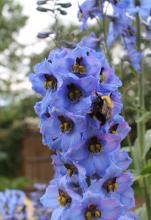
Wed, 07/18/2012 - 6:28pmDelphinium "bees" with bee:
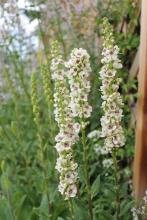
Verbascum chaixii v. album:
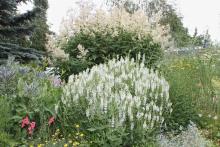
Salvia nemorosa 'Snow Hill' - terrific plant, much loved by bees:
Big betony, Stachys macrantha:
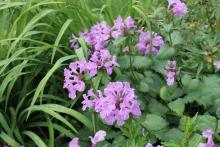
Veronica longifolia(?):
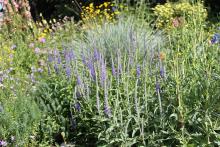
Clematis mandshurica:

Polemonium pauciflorum:
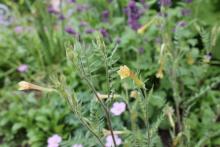
Calamintha grandiflora - great plant for dry shade (or anywhere):
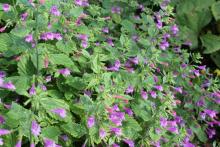
Stachys officinalis 'Hummelo' - a plant that's often mistaken for Primula on plant ID sites ??? :
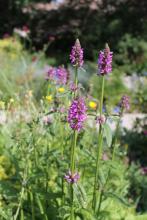
Delphinium grandiflorum - normal blue and self-seeded variations:
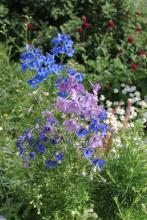
cohan (not verified)
Re: What do you see on your garden walks? 2012
Thu, 07/19/2012 - 12:20amAll nice but I find the Verbascum and Salvia especially striking!
Michael Peden
Re: What do you see on your garden walks? 2012
Thu, 07/19/2012 - 7:56amThanks again Lori and also for reminding me (us!) of all the plants I (we!) still need to grow! That's quite a variety of very interesting things you grow and paintbrushes too! Those will grow here some day -just watch! I agree about Azorella; it does not seem to need anything special. I might avoid an overly well drained scree type soil though, unless it is moist.
Cohan; If you are seeing brand new rock gardens and novel techniques on your garden walks; perhaps we may have a look see?
cohan (not verified)
Re: What do you see on your garden walks? 2012
Thu, 07/19/2012 - 11:14pmThanks, Michael- the spot at the foot of the semp bed I was thinking of for the Azorella looks gravelly but I didn't amend it too much, so its more our clayey loam than anything else, and I think should be quite moist most of the time; the other spot I mentioned is probably even more moist, so one or the other should suit them :)
I doubt if I'd describe my rock garden building as 'novel' : probably odd, maybe inappropriate or second-rate would be more likely thoughts...lol- I'm sure I'm breaking some rules that are there for good reason! but from my perspective, the key points are 'made with available materials' (the main part of which means they are built up with sod and soil underneath, with rocks and gravel more on the outside and in the higher, planting layers) and satisfying my own personal aesthetic sense with the rocks (available fieldstone, which here means granite and quartzite mostly, with some amount of sandstone, and small amounts of limestone (the last is mostly small, with much more of it in the gravel than in the stones)..
I am taking photos as I progress, and when I finish the next section in the area I'm working on now (the lower, but still raised, dryland area in front of the ridges, with some below grade boggy/marshy areas), I'll show some of them :)
Toole (not verified)
Re: What do you see on your garden walks? 2012
Fri, 07/20/2012 - 2:28amA number of Cyclamen coum are out --this one under the edge of small Rhododendron in a double concrete wash tub .
Cheers Dave.
Anne Spiegel
Re: What do you see on your garden walks? 2012
Fri, 07/20/2012 - 6:24amBack from my other garden - the Dolomites - and finally over jet lag. Here are a few pictures to whet the appetite of any plant enthusiast.
Anne Spiegel
Re: What do you see on your garden walks? 2012
Fri, 07/20/2012 - 7:39amA few pictures that tell a story. Thunderstorms heading our way but a rifugio in sight for shelter and a cup of hot chocolate. This is what makes walking in the Dolomites so wonderful. If the weather becomes awful, you can spend the night there. Despite forecasts for no storms etc, weather can be very sudden in the mountains, and the rifugios offer shelter and a place to stay overnight if needed. I can think of quite a few hikes in the Rockies when it would have been nice to have this option.
Lori S. (not verified)
Re: What do you see on your garden walks? 2012
Fri, 07/20/2012 - 11:36amBeautiful shots, Anne and David! Can't wait to see more from your "other garden", Anne.
Stachys discolor:
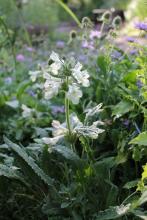
Eryngium alpinum, now coloured up:
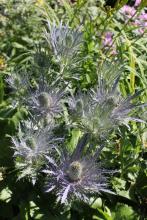
Cephalaria gigantea, reaching for the sky:
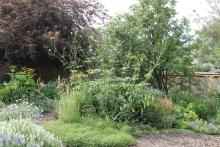
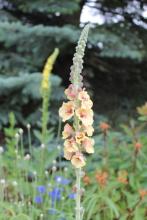
Verbascum eriophorum, a biennial, unfortunately:
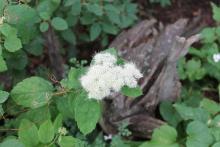
Our native Spiraea betulifolia (corrected name), in the garden:
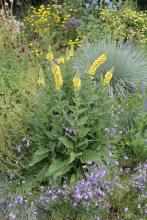
Verbascum nigrum, starting to bloom:
Pages