Cohan Mark Egger is one of the leading authorities on many of the genera included in Orobanchaceae. He maintains an extensive collection of photos on his Flickr sight. You can find it at: http://www.flickr.com/photos/34090482@N03
I hope this clears up some of the confusion. The reason I stated that Castilleja angustifolia and Castilleja chromosa were synonymous was from my experiences with the Jepson Manual used in California. I guess I was assuming that the same held true across the west. I was wrong. :rolleyes: It's always nice to know were to find an expert. I hope you enjoy his Flickr sight It's a great resource.
I've spoken to Mark Egger just a little re: my local Castillejas- some of which he felt seem to be some sort of hybrid swarm, though he hadn't had time/ close enough look to make any solid guesses as to what is involved besides C miniata. It is good to hear from someone knowledgeable- since only miniata is clearly in my area on the maps, but the plants seemed extremely varied for that ... I hope to try some other species in my garden, in particular outside the range of colours of the local plants, which is what drew me to the pink/plum shades mentioned re:angustifolia- the plants here go from cream through scarlet, but none of the bluer pinks/reds etc..
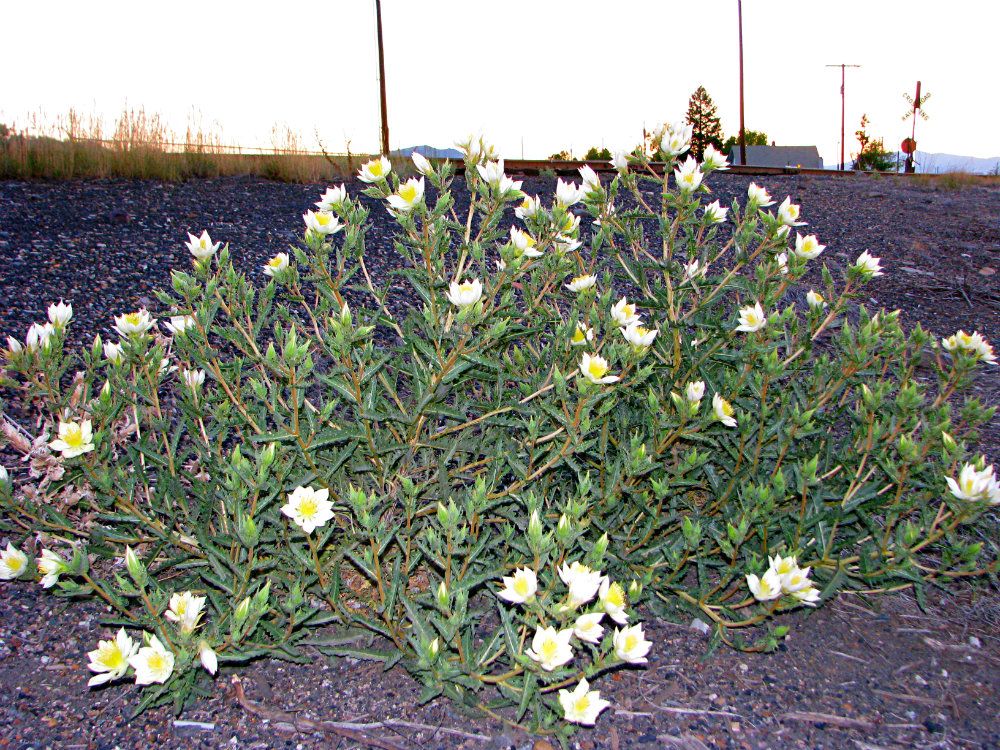
Regarding the cultivation of Mentzelia: Perhaps a person could build their house along the railroad tracks. We have some monsters that grow along the tracks around here.
Regarding the cultivation of Mentzelia: Perhaps a person could build their house along the railroad tracks. We have some monsters that grow along the tracks around here.
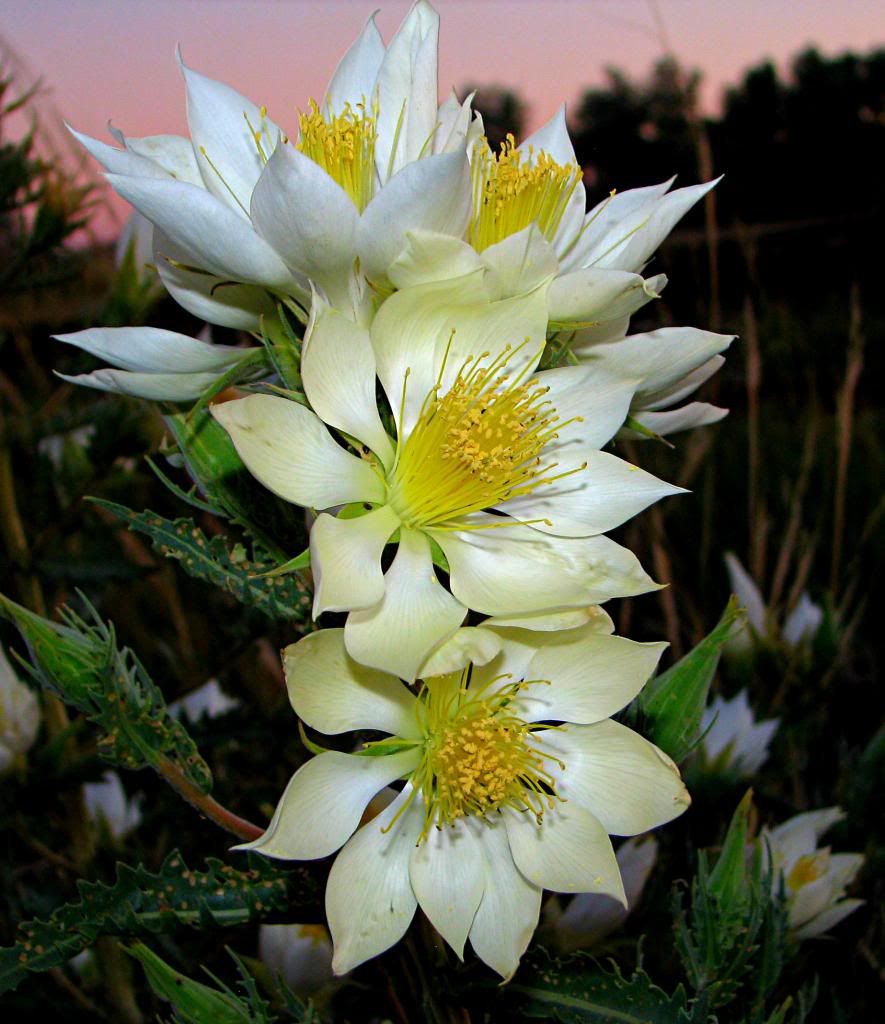
Gene's description of them as being "a big straggly thing" is accurate: But the flowers are :o
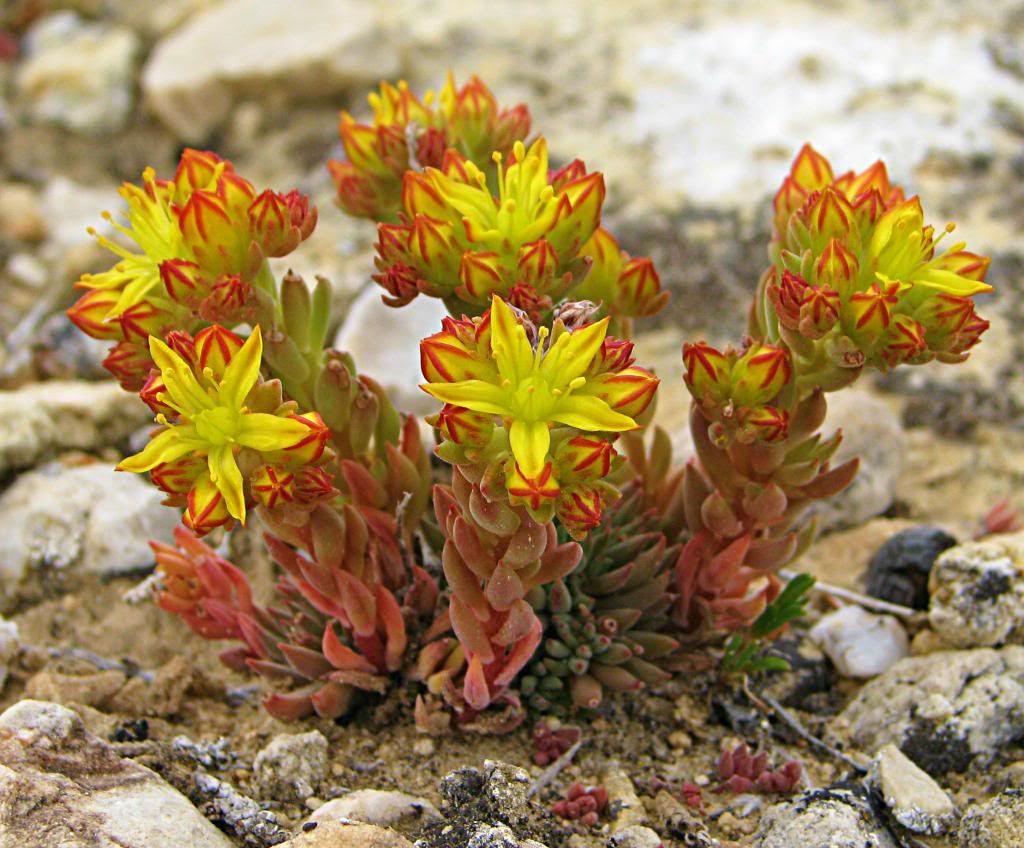
The portrait of Sedum lanceolatum, with red-lined edges to the buds, shows what a remarkable beauty it is, too bad we often give short shrift to sedums.
The natural rock garden with Lupinus sericeus is wonderful; is that Trifolium parryi in the background? This is the sort of rock garden scenario I'd like to emulate, where comfortable rounded mixed size boulders, rocks, and pebbles provide the backdrop for choice plants.
The Sedum is drought stressed and growing in full sun, and that really brings out the reddish color. When I first became interested in rock gardening, I would often over look the more common plants in search of something more "choice". But now I take a closer look at everything. There are a lot of plants out there that can contribute to the overall scheme.
Yes, that is Trifolium parryi. Trifolium nanum grows in the same site along with an excellent form of Eriogonum flavum that forms large dense cushions with the flowers nestled in the foliage. http://eriogonum.org/gallery2/main.php?g2_itemId=628
Very interesting to see Pulsatilla patens as I planted this out on a sand bed last autumn. Hope it will look as good as this when it flowers! There has been a very stimulating and fascinating debate on the SRGC Forum on Pulsatilla, showing the exquisite yellow form of patens, flavescens. Quite a lot of debate about names. I noticed in the Alplains seedlist that P. occidentalis is listed under Anemone. Is that generally accepted? It seems much more like a Pulsatilla to me.(There are some beautiful photos on the SRGC Forum as well).
Brian- Sedum lanceolatum is a long time favourite of mine- being into succulents from my earliest indoor/outdoor gardening days, and this is one of few succulents actually native to Alberta! Besides that, it has wonderful foliage form, quite distinct among Sedums. I saw it a few times in my teen years, but haven't seen it since I've been back home, and have yet to get it for my garden, but it is a top wish.. I didn't realise the buds were so showy..
Tim, I think someone in North America has decided the native Pulsatillas should be back in Anemone- I think I've seen patens stuck back there as well. I think Alplains had occidentalis listed as a Pulsatilla previously...
Your comment on Pulsatilla/Anemone shows the problems of taxonomy more than anything else. Some people maintain Pulsatilla as a genus, others want to sink the whole genus into Anemone. And some species within Pulsatilla are more Anemone-like than others. John Bradshaw did list Anemone occidentalis but he also listed Pulsatilla patens this year.
I find it a really helpful genus with the species usually listed in it incl. P. patens having more in common with each other than with other Anemone.
The taxonomy of Anemone continues to be problematic. Anemone occidentalis and A . patens var. multifida (the first two taxa in this treatment) are frequently placed in the genus Pulsatilla Miller on the basis of the long plumose achene beaks, and A . acutiloba and A . americana (the last two taxa in this treatment) in the genus Hepatica Miller, primarily on the basis of the involucre immediately subtending the flower and the lobed, persistent leaves. Recent phylogenetic analyses of Anemone in the broad sense, however, indicate that both Pulsatilla and Hepatica should be subsumed within Anemone .
The Plant List (http://www.theplantlist.org/tpl/search?q=pulsatilla) is progressively being used by the AGS and RHS as a absolute reference but it is hopeless for such issues with inconsistent treatment, and basing judgement on this is at the moment fraught with problems. For Pulsatilla-Anemone, for example, they maintain Pulsatilla with P. ajanensis, P. albana, P. ambigua, P. armena, P. aurea, P. campanella, P. cernua, P.chinensis, P. dahurica, P. grandis, P. kostyczewii, P. millefolium, P. nigricans, P. sukaczewii, P. tenuiloba, P. turczaninovii, P. violacea, P. wallichiana but not among many others P. patens and P. vulgaris. Major problem with this (and it leaves anybody using it very exposed to error) is that it is being compiled by two different sets of people.
At the ,moment I am keeping Pulsatilla and P. patens is definitely in for me.
I can't see these sort of problems ever being resolved because at one level plants can be genetically fingerprinted and assigned relationships in this way; at another they are viewed and enjoyed by gardeners who look at them in the ways that taxonomists always have (but less rigorously because our experience is of fewer plants); and in another living things are dynamic and evolving and with plants especially there can be immense hybridisation and complex changes in ploidy levels within the same species. When genera such as Cimicifuga and Actaea are made as one a lot of gardeners (let alone botanists) must be confused. From a gardeners point of view it makes little sense to incorporate Pulsatilla into Anemone, even if there might be a lot of debate about individual cases. Philosophically it really comes down to what value and information you gain from a 'name' - as much as what scientific basis it has.
I've come to the conclusion current day taxonomy is "out of order". Example, where Actaea subsumes Cimicifuga, it makes no sense, I stand by what I said in another topic: "YES I've gone rogue and belligerently maintain Cimicifuga (dry capsules, a follicle) and Actaea (fleshy fruits, a berry) as distinctly separate genera". http://nargs.org/smf/index.php?topic=728.msg11398#msg11398
There is no level of consistency in these taxonomic upheavals. On one hand, North American asters are relegated to 6 or more other genera based on minute differences with involucre bracts, on the other hand two genera are combined into one (the Cimicifuga/Actaea example) apparently ignoring the glaringly bold contradiction that one produces seed in dry follicles and the other makes seed in plump fruits.
When I see bizarre things like Lewisia tweedyi singularly lumped into Cistanthe, the now accepted genus name holding former genus Calyptridium (but with at least one Calandrina thrown in for good measure), it makes one wonder if the taxonomists are sipping peyote tea.
To get back on track with "Image of the Day", I hark back to a fine spring day in May, with Trillium grandiflorum 'Multiplex' flowering with Trillium rugelii leaves to the upper left (white flowers hidden by the foliage in an overhead view)
What a greatclump of Trillium grandiflorum! What is the sessile species to the right of grandiflorum? I remember visiting the original Heronswood Nursery near Kingston WA, years ago and seeing my first clump of mature Trillium chloropetalum in bloom. I've been hunting for a plant of my own ever since! This year I will add plain ordinaryT. grandiflorum and T. luteum to the garden, to live alongside T. erectum and T. kurabiyashi. Maybe this will be the year I discover Trillium undulatum in our woodland?
What a greatclump of Trillium grandiflorum! What is the sessile species to the right of grandiflorum?
That would be Trillium decipiens. Here are two photos from different angles. You'll notice two different color forms, and variable mottling on all three. This particular bed, under a large Magnolia 'Forrest Pink', is home to a number of Trillium, and lots and lots of Trillium seedlings coming along from direct in situ seed sowing.
Love them all, Mark! The mottled leaves are awesome.. the only trilliums I have so far are small seedlings of T erectum and maybe grandiflorum... hope to change that with time..
Love them all, Mark! The mottled leaves are awesome.. the only trilliums I have so far are small seedlings of T erectum and maybe grandiflorum... hope to change that with time..
Can't go wrong with grandiflorum and erectum, I think all trillium are supreme creatures for the woodland. I actually don't have any T. erectum in my garden, still need to add more trilliums. ;)
They're not that hard from seed, but they take 5-7 years to flower, and a few more years to bulk up, all a rather slow proposition. Just came across a photo of Trillium decipiens taken on 4-21-2008; gee, with luck I might see one bloom in a couple years.
The hard part- besides waiting, which doesn't bother me so much- have enough things going on and you aren't too impatient about any one- is getting fresh viable seed! The ones I had so far came from Kristl- the one commercial source I know of offhand that is safe for ephemeral seed. Anyone know other sources that either moist pack or send out ephemeral seed fresh from harvest? (besides private trades, I mean)
I was digging for pics of Spiranthes for the terrestrial orchids thread, and in the same album (from a 2010 bike ride up the road) I found this, among many other Aster spp photos-- many with some pollinator or other.. Another fave, an occasional local, Apocynum androsaemifolium, this is the closest I've come to seeds, and they weren't ripe. The other patch I know of, I have never found seeds on- wonder if it's all one plant? I do want a patch of this on my property (yes, not near anything small and delicate ;) though it is far from the most aggressive plant around here) I like it all year, but it may be at its nicest in its early fall colour while most things are still green..
Cohan - I hadn't heard of Apocynum before though am very interested in species of Asclepias. The fall foliage is as good as Vincetoxicum but I don't suppose many gardeners grow either. It's actually quite an attractive flowering plant from pictures I've looked at on the web - but how much is it likely to spread?
I am inclined to do what Mark does, refuse to use the new Latin names at least for a while. I think we are in the middle of a transition from the old way of using (minute) physical observable traits to genetic ones. Until that is more consistent for all the taxonomy I think it will be a little messy.
Nice Trilliums Mark! I have several pots with seedlings now. They sprouted outside during the mild spell around Xmas and I had to bring them inside. Hope they survive the next 5 years!
In the USDA link, it says "This plant can be weedy or invasive according to the authoritative sources noted below" (then gives a number of links).
It is a pretty plant when in full flower, but the underground rhizomes run deep, then pop up new shoots several feet away, its not possible to actually get the horizontal root when pulling out unwanted vigorous shoots. I'm pulling them out all the time. Here, the plants look pretty as they start flowering, but becomes decimated and unsightly from some sort of caterpillar that devours the foliage.
According to the USDA, there are many synonyms, so perhaps the plant is variable geographically.
There is a large patch of Apocynum androsaemifolium growing just a block away from home. It is one of those plants I prefer to enjoy in situ, rather than adding it to a garden. Mark's caution about its spreading nature is good advice! Now, if someone could share a foolproof way to eradicate Campanula rapunculoides, I'd be a happy camper! I can't believe some seedhouses still sell this thug!
Re: names- the new genetic studies are promising but still have some of the same limitations as physical studies, such as the samples used, the things the researchers are looking for etc; an example I think I've mentioned before is with the Aloids (Aloe, Haworthia, Gasteria etc) in South Africa.There is huge disagreement in this group of plants- Haworthia has been divided into as many as 600sp and as few as 60 or less by various people, and recent genetic studies have done little to clarify the issue. How do you even get adequate sampling in a genus where hundreds of different populations separated by a few kilometres are often very physically divergent and indeterminately related?
Re:Apocynum Mark's cautions are good to keep in mind, especially for anyone looking at growing the plant outside its natural range. Here it's an occasional native, and I have seen a couple of extensive patches in roadsides, but no more so than many other things which are much more common. I suspect planting it in cultivated soil with no competition would turn it into an entirely different beast. I'd like to get some on my acreage, but I would put it in wild open woodland/woodland edge with an intact native flora/sod, where it can happily/hopefully spread a few square metres where it has to compete with other strong plants such as fireweed, asters and various small woodies, and where I also intend to add Anemone canadensis (a fairly common local) and Aralia nudicaulis, another occasional native.
My intention too had been to plant Apocynum in my woodland. Maybe it could compete with the slugs!
It is a long time since I stopped regarding species (and plant species in particular) as discrete entities. In my opinion life is better regarded as a more or less continuous gene pool with some individuals sharing more genes than others ;D
There are two sites fairly nearby that I know the Apocynum from - one is on a modest roadside embankment facing more or less east, most of the plants being right at the edge of a wooded area, at the base of poplars etc, so I imagine they get direct sun only in the morning at most; the other site is another roadside- the one I showed above, and you can see those are mostly in sun, though surrounded with other vegetation. Here are a few shots from the shadier location; the darkest view is a bit misleading, as the exposure was set for the light coloured flowers. You can see that most of the plants are in dappled sun at this time in mid-afternoon.. I haven't compared flowering in the two sites to see if there are more flowers in the sunnier location.. This is the first site I found (growing up, I knew them from the roadside by my family's farmstead, up the road, but they no longer grow there) and I quite like this little colony.. Also, since I mentioned it earlier, Aralia nudicaulis growing a little farther down the road from this site, just inside a mostly poplar wood..
1,2 Geranium richardsonii with a visitor (looks like maybe she's rolling up the petals, but not sure).. 3,4 Cornus canadensis 5 Galium triflorum (I think)
Spent a lovely weekend in the Fiordland mountains with Dave , the Otago Alpine Garden Group field trip members and Harry and Hanni Jans . Unfortunately Dave damaged himself and could only walk at half speed . For the first time ever on a trip we chatted as we went along because normally I only see Dave when we leave , lunchtime and when we get back . The rest of the time he is but a rapidly accelerating figure in the distance . I will post pictures later on the NZ thread . Here are 3 from Mt.Burns yesterday
Harry Jans
and a similar image to the one he was after . His will be better
Cliff, if you just flowered it once, it can't be of the easiest to grow? I don't know if I will try even if I got the chance :-\ Steve it is lovely! Could have spent all day there ;)
I'm still waiting for spring to arrive. A photo I took yesterday moments before the snow storm moved in. That's Eriogonum ovalifolium in the foreground.
The bedding that's exposed in that rock would almost certainly result from deposition on the finer end of the time scale... the months-years sort of range.
It even looks like the Eriogonum is "flowering" in mid-winter! Brian, where is this? (Always one of the first things I wonder about with nature photos [hint ...] )
I'm still waiting for spring to arrive. A photo I took yesterday moments before the snow storm moved in. That's Eriogonum ovalifolium in the foreground.
Who isn't waiting for spring? A desolate but beautiful landscape! Does the ground freeze there or is it too dry? Seems to be remnants of snow in your other picture!
The temperatures are well below freezing in the winter, but the soil is bone dry. Eriogonum ovalifolium is the only plant that can tolerate the extreme conditions, and it grows here by the hundreds. The soil often erodes away around the base of the plants and makes them look like silver balls sitting on top of short pedestals.

Comments
cohan (not verified)
Re: Image of the day - 2013
Fri, 01/18/2013 - 11:16amI've spoken to Mark Egger just a little re: my local Castillejas- some of which he felt seem to be some sort of hybrid swarm, though he hadn't had time/ close enough look to make any solid guesses as to what is involved besides C miniata. It is good to hear from someone knowledgeable- since only miniata is clearly in my area on the maps, but the plants seemed extremely varied for that ...
I hope to try some other species in my garden, in particular outside the range of colours of the local plants, which is what drew me to the pink/plum shades mentioned re:angustifolia- the plants here go from cream through scarlet, but none of the bluer pinks/reds etc..
Brian- good tips on the Kelseya, thanks..
Brian_W (not verified)
Re: Image of the day - 2013
Fri, 01/18/2013 - 2:21pmRegarding the cultivation of Mentzelia: Perhaps a person could build their house along the railroad tracks. We have some monsters that grow along the tracks around here.
Gene's description of them as being "a big straggly thing" is accurate:
http://i1072.photobucket.com/albums/w362/townsendia/013_zps2f448cc2-1_zp...
But the flowers are :o
http://i1072.photobucket.com/albums/w362/townsendia/021_zpsfd0f0d06-1_zp...
Trond Hoy
Re: Image of the day - 2013
Fri, 01/18/2013 - 11:46pm"big straggly thing" is quite something for me!
Richard T. Rodich
Re: Image of the day - 2013
Sat, 01/19/2013 - 12:02amBrian, the photos you are showing are really out of this world in quality and subject matter. We can't thank you enough!
Gene, you sure don't seem to have any problem growing those wonderful Lilium spp. And great articles in the International Rock Gardener, too!
Brian_W (not verified)
Re: Image of the day - 2013
Sat, 01/19/2013 - 7:11amSedum lanceolatum:
http://i1072.photobucket.com/albums/w362/townsendia/random%20stuff/Stone...
Penstemon eriantherus:
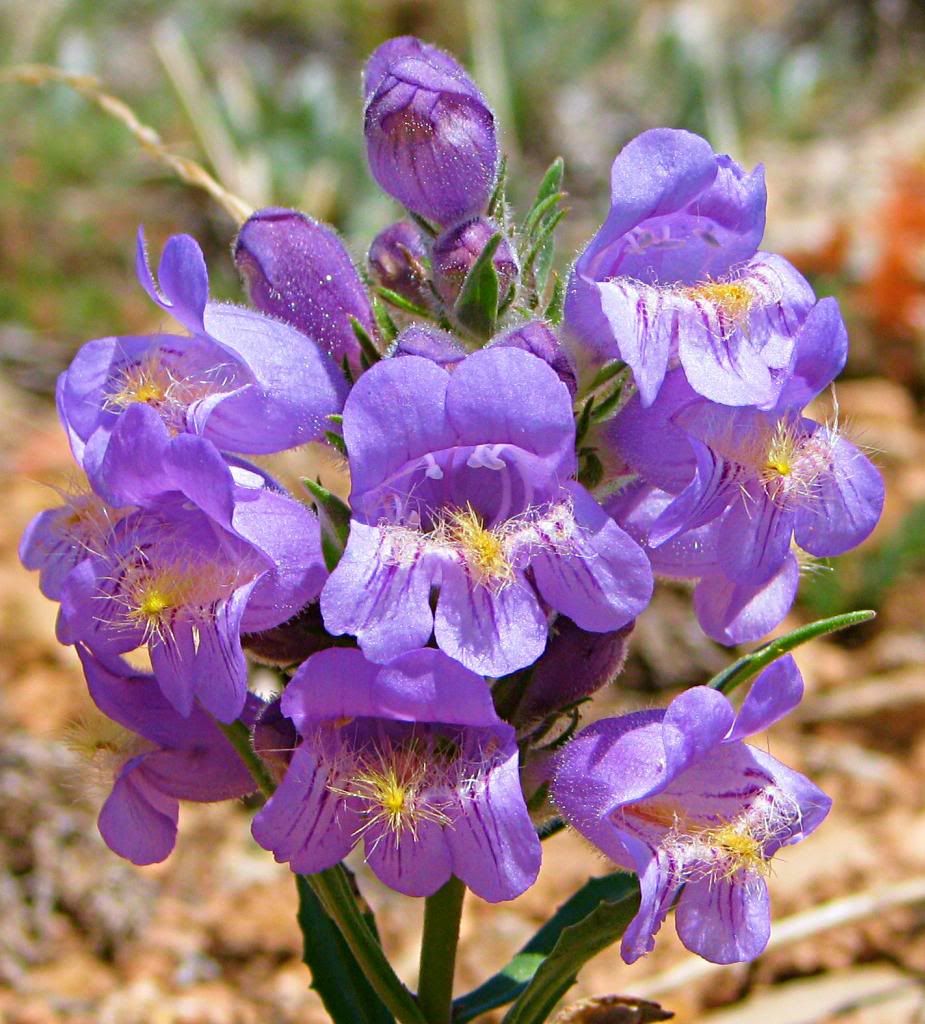
http://i1072.photobucket.com/albums/w362/townsendia/random%20stuff/290_z...
Pulsatilla patens:
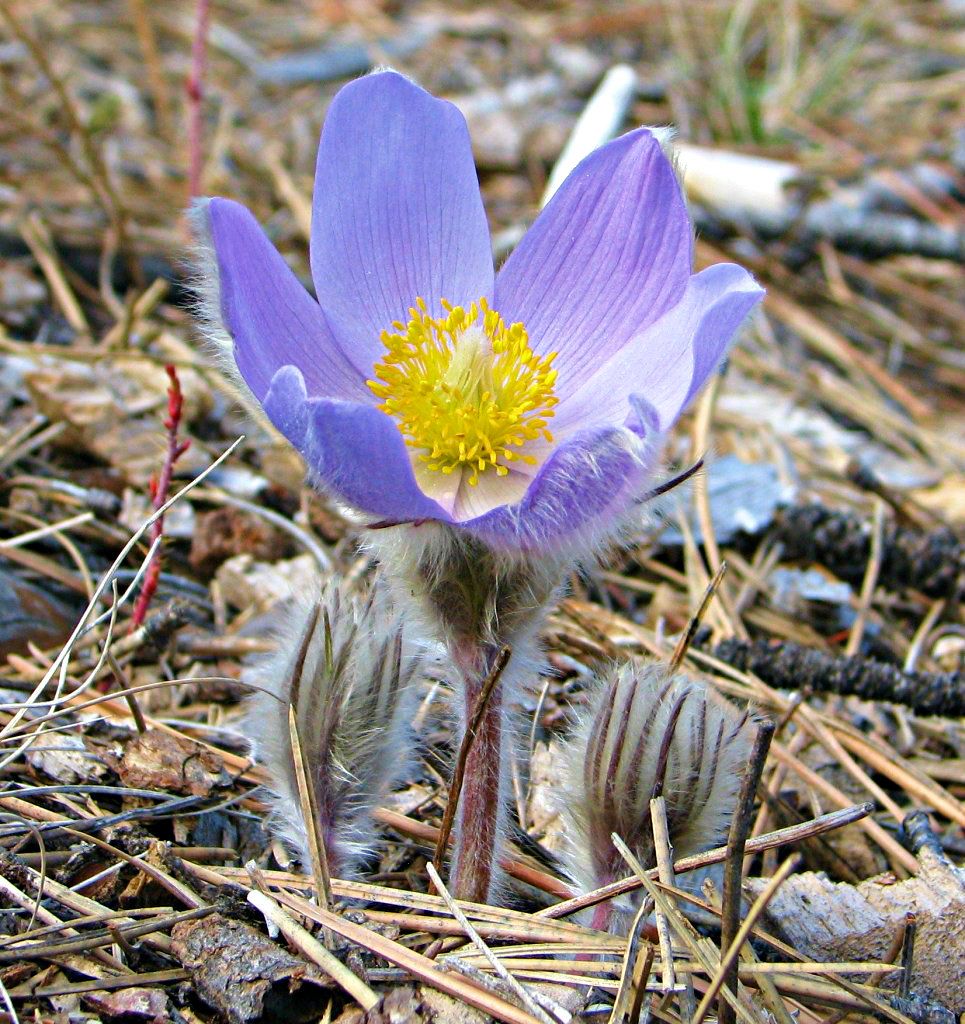
http://i1072.photobucket.com/albums/w362/townsendia/random%20stuff/pasqu...
Castilleja angustifolia, this pink form is common throughout the Pryors:
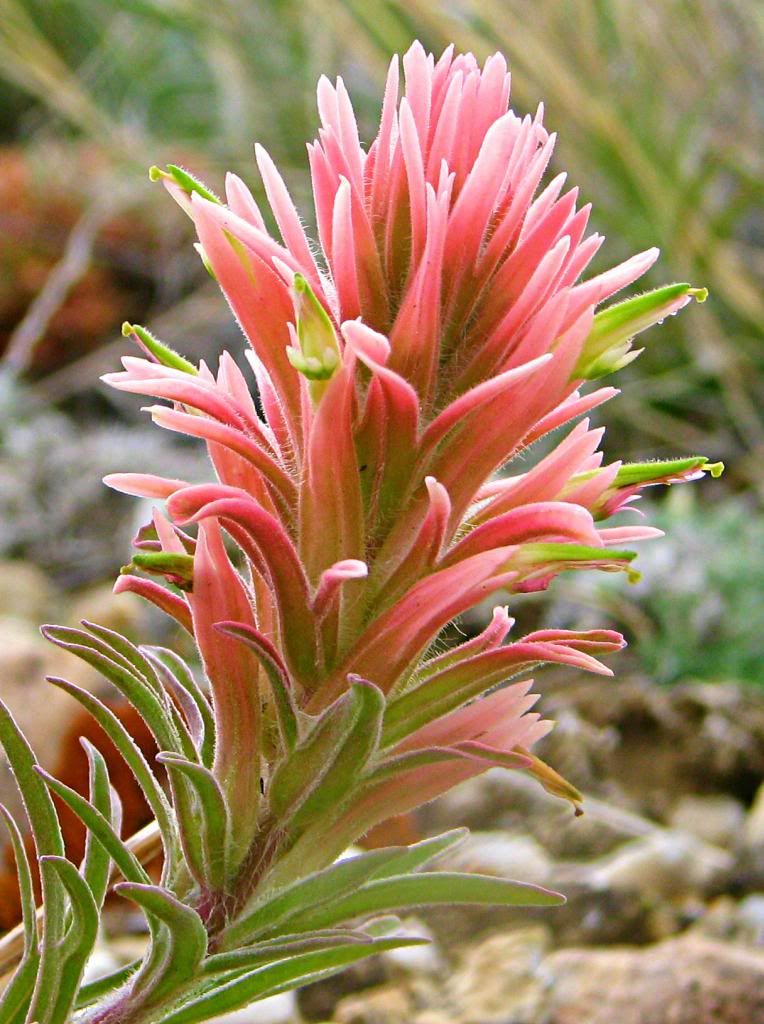
http://i1072.photobucket.com/albums/w362/townsendia/random%20stuff/087_z...
Lupinus sericeus, alpine form from the Beartooth platuea in southern Montana:
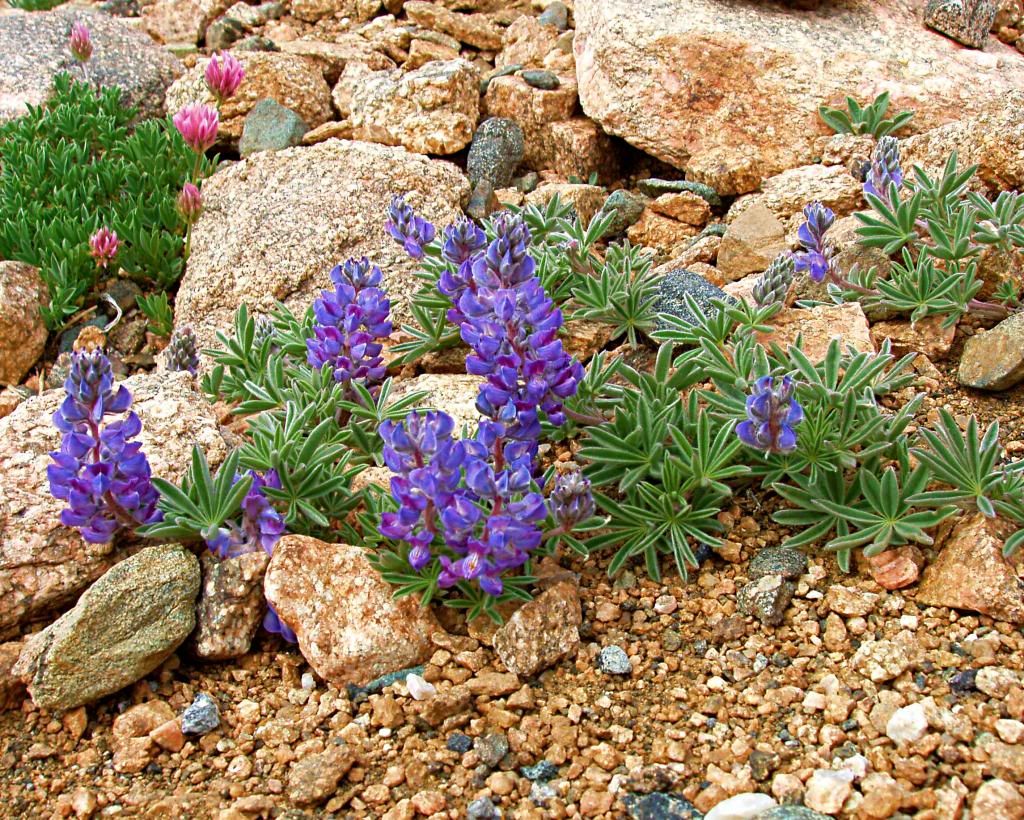
http://i1072.photobucket.com/albums/w362/townsendia/random%20stuff/062_6...
Oenothera caespitosa in the morning:

http://i1072.photobucket.com/albums/w362/townsendia/random%20stuff/041_z...
Mark McDonough
Re: Image of the day - 2013
Sat, 01/19/2013 - 9:07amBrian, your photos are simply outstanding! :o :o
The portrait of Sedum lanceolatum, with red-lined edges to the buds, shows what a remarkable beauty it is, too bad we often give short shrift to sedums.
The natural rock garden with Lupinus sericeus is wonderful; is that Trifolium parryi in the background? This is the sort of rock garden scenario I'd like to emulate, where comfortable rounded mixed size boulders, rocks, and pebbles provide the backdrop for choice plants.
Brian_W (not verified)
Re: Image of the day - 2013
Sat, 01/19/2013 - 10:33amGreetings,
The Sedum is drought stressed and growing in full sun, and that really brings out the reddish color. When I first became interested in rock gardening, I would often over look the more common plants in search of something more "choice". But now I take a closer look at everything. There are a lot of plants out there that can contribute to the overall scheme.
Yes, that is Trifolium parryi. Trifolium nanum grows in the same site along with an excellent form of Eriogonum flavum that forms large dense cushions with the flowers nestled in the foliage. http://eriogonum.org/gallery2/main.php?g2_itemId=628
Tim Ingram (not verified)
Re: Image of the day - 2013
Sat, 01/19/2013 - 10:47amVery interesting to see Pulsatilla patens as I planted this out on a sand bed last autumn. Hope it will look as good as this when it flowers! There has been a very stimulating and fascinating debate on the SRGC Forum on Pulsatilla, showing the exquisite yellow form of patens, flavescens. Quite a lot of debate about names. I noticed in the Alplains seedlist that P. occidentalis is listed under Anemone. Is that generally accepted? It seems much more like a Pulsatilla to me.(There are some beautiful photos on the SRGC Forum as well).
cohan (not verified)
Re: Image of the day - 2013
Sat, 01/19/2013 - 5:08pmBrian- Sedum lanceolatum is a long time favourite of mine- being into succulents from my earliest indoor/outdoor gardening days, and this is one of few succulents actually native to Alberta! Besides that, it has wonderful foliage form, quite distinct among Sedums. I saw it a few times in my teen years, but haven't seen it since I've been back home, and have yet to get it for my garden, but it is a top wish.. I didn't realise the buds were so showy..
Tim, I think someone in North America has decided the native Pulsatillas should be back in Anemone- I think I've seen patens stuck back there as well. I think Alplains had occidentalis listed as a Pulsatilla previously...
Trond Hoy
Re: Image of the day - 2013
Sun, 01/20/2013 - 12:34amBrian, you are an artist!
McGregorUS (not verified)
Re: Image of the day - 2013
Sun, 01/20/2013 - 4:13amTim
Your comment on Pulsatilla/Anemone shows the problems of taxonomy more than anything else. Some people maintain Pulsatilla as a genus, others want to sink the whole genus into Anemone. And some species within Pulsatilla are more Anemone-like than others. John Bradshaw did list Anemone occidentalis but he also listed Pulsatilla patens this year.
I find it a really helpful genus with the species usually listed in it incl. P. patens having more in common with each other than with other Anemone.
Flora of North America (online at http://www.efloras.org/florataxon.aspx?flora_id=1&taxon_id=101733) include the following comment:
The taxonomy of Anemone continues to be problematic. Anemone occidentalis and A . patens var. multifida (the first two taxa in this treatment) are frequently placed in the genus Pulsatilla Miller on the basis of the long plumose achene beaks, and A . acutiloba and A . americana (the last two taxa in this treatment) in the genus Hepatica Miller, primarily on the basis of the involucre immediately subtending the flower and the lobed, persistent leaves. Recent phylogenetic analyses of Anemone in the broad sense, however, indicate that both Pulsatilla and Hepatica should be subsumed within Anemone .
The Plant List (http://www.theplantlist.org/tpl/search?q=pulsatilla) is progressively being used by the AGS and RHS as a absolute reference but it is hopeless for such issues with inconsistent treatment, and basing judgement on this is at the moment fraught with problems. For Pulsatilla-Anemone, for example, they maintain Pulsatilla with P. ajanensis, P. albana, P. ambigua, P. armena, P. aurea, P. campanella, P. cernua, P.chinensis, P. dahurica, P. grandis, P. kostyczewii, P. millefolium, P. nigricans, P. sukaczewii, P. tenuiloba, P. turczaninovii, P. violacea, P. wallichiana but not among many others P. patens and P. vulgaris. Major problem with this (and it leaves anybody using it very exposed to error) is that it is being compiled by two different sets of people.
At the ,moment I am keeping Pulsatilla and P. patens is definitely in for me.
Tim Ingram (not verified)
Re: Image of the day - 2013
Sun, 01/20/2013 - 8:40amI can't see these sort of problems ever being resolved because at one level plants can be genetically fingerprinted and assigned relationships in this way; at another they are viewed and enjoyed by gardeners who look at them in the ways that taxonomists always have (but less rigorously because our experience is of fewer plants); and in another living things are dynamic and evolving and with plants especially there can be immense hybridisation and complex changes in ploidy levels within the same species. When genera such as Cimicifuga and Actaea are made as one a lot of gardeners (let alone botanists) must be confused. From a gardeners point of view it makes little sense to incorporate Pulsatilla into Anemone, even if there might be a lot of debate about individual cases. Philosophically it really comes down to what value and information you gain from a 'name' - as much as what scientific basis it has.
Mark McDonough
Re: Image of the day - 2013
Sun, 01/20/2013 - 9:19amI've come to the conclusion current day taxonomy is "out of order". Example, where Actaea subsumes Cimicifuga, it makes no sense, I stand by what I said in another topic: "YES I've gone rogue and belligerently maintain Cimicifuga (dry capsules, a follicle) and Actaea (fleshy fruits, a berry) as distinctly separate genera".
http://nargs.org/smf/index.php?topic=728.msg11398#msg11398
There is no level of consistency in these taxonomic upheavals. On one hand, North American asters are relegated to 6 or more other genera based on minute differences with involucre bracts, on the other hand two genera are combined into one (the Cimicifuga/Actaea example) apparently ignoring the glaringly bold contradiction that one produces seed in dry follicles and the other makes seed in plump fruits.
When I see bizarre things like Lewisia tweedyi singularly lumped into Cistanthe, the now accepted genus name holding former genus Calyptridium (but with at least one Calandrina thrown in for good measure), it makes one wonder if the taxonomists are sipping peyote tea.
To get back on track with "Image of the Day", I hark back to a fine spring day in May, with Trillium grandiflorum 'Multiplex' flowering with Trillium rugelii leaves to the upper left (white flowers hidden by the foliage in an overhead view)
Gordon Tingley
Re: Image of the day - 2013
Sun, 01/20/2013 - 11:11amWhat a greatclump of Trillium grandiflorum! What is the sessile species to the right of grandiflorum? I remember visiting the original Heronswood Nursery near Kingston WA, years ago and seeing my first clump of mature Trillium chloropetalum in bloom. I've been hunting for a plant of my own ever since! This year I will add plain ordinaryT. grandiflorum and T. luteum to the garden, to live alongside T. erectum and T. kurabiyashi. Maybe this will be the year I discover Trillium undulatum in our woodland?
Mark McDonough
Re: Image of the day - 2013
Sun, 01/20/2013 - 2:31pmThat would be Trillium decipiens. Here are two photos from different angles. You'll notice two different color forms, and variable mottling on all three. This particular bed, under a large Magnolia 'Forrest Pink', is home to a number of Trillium, and lots and lots of Trillium seedlings coming along from direct in situ seed sowing.
On these two Trillium decipiens forms, the coppery olive color one possessed an unusual aroma that was hard to pin point. Had a discussion about this point on Pacific Bulb Society, with John Lonsdale (from whence my plants came from), but couldn't remember the exact details, but a google search came up with two short discussion entries on The Scent of Trilliums:
http://www.pacificbulbsociety.org/pbslist/2006-May/8q6n241vs4f65f9u6140i...
http://www.pacificbulbsociety.org/pbslist/2006-May/kr3vdd09mtmc37vof5h5k...
Here's another favorite, Trillium lancifolium, another southeastern US species. Slowly but surely it is seeding around a bit.
cohan (not verified)
Re: Image of the day - 2013
Sun, 01/20/2013 - 3:02pmLove them all, Mark! The mottled leaves are awesome.. the only trilliums I have so far are small seedlings of T erectum and maybe grandiflorum... hope to change that with time..
Mark McDonough
Re: Image of the day - 2013
Sun, 01/20/2013 - 3:09pmCan't go wrong with grandiflorum and erectum, I think all trillium are supreme creatures for the woodland. I actually don't have any T. erectum in my garden, still need to add more trilliums. ;)
They're not that hard from seed, but they take 5-7 years to flower, and a few more years to bulk up, all a rather slow proposition. Just came across a photo of Trillium decipiens taken on 4-21-2008; gee, with luck I might see one bloom in a couple years.
cohan (not verified)
Re: Image of the day - 2013
Sun, 01/20/2013 - 3:14pmThe hard part- besides waiting, which doesn't bother me so much- have enough things going on and you aren't too impatient about any one- is getting fresh viable seed! The ones I had so far came from Kristl- the one commercial source I know of offhand that is safe for ephemeral seed. Anyone know other sources that either moist pack or send out ephemeral seed fresh from harvest? (besides private trades, I mean)
cohan (not verified)
Re: Image of the day - 2013
Sun, 01/20/2013 - 3:32pmI was digging for pics of Spiranthes for the terrestrial orchids thread, and in the same album (from a 2010 bike ride up the road) I found this, among many other Aster spp photos-- many with some pollinator or other..
Another fave, an occasional local, Apocynum androsaemifolium, this is the closest I've come to seeds, and they weren't ripe. The other patch I know of, I have never found seeds on- wonder if it's all one plant? I do want a patch of this on my property (yes, not near anything small and delicate ;) though it is far from the most aggressive plant around here) I like it all year, but it may be at its nicest in its early fall colour while most things are still green..
Tim Ingram (not verified)
Re: Image of the day - 2013
Mon, 01/21/2013 - 2:18amCohan - I hadn't heard of Apocynum before though am very interested in species of Asclepias. The fall foliage is as good as Vincetoxicum but I don't suppose many gardeners grow either. It's actually quite an attractive flowering plant from pictures I've looked at on the web - but how much is it likely to spread?
Trond Hoy
Re: Image of the day - 2013
Mon, 01/21/2013 - 4:10amI am inclined to do what Mark does, refuse to use the new Latin names at least for a while. I think we are in the middle of a transition from the old way of using (minute) physical observable traits to genetic ones. Until that is more consistent for all the taxonomy I think it will be a little messy.
Nice Trilliums Mark! I have several pots with seedlings now. They sprouted outside during the mild spell around Xmas and I had to bring them inside. Hope they survive the next 5 years!
Cohan, Apocynum looks exciting!
Mark McDonough
Re: Image of the day - 2013
Mon, 01/21/2013 - 5:03amA word of warning with Apocynum androsaemifolium, take note of its common name: Spreading Dogbane
http://plants.usda.gov/java/profile?symbol=APAN2&mapType=nativity&photoI...
In the USDA link, it says "This plant can be weedy or invasive according to the authoritative sources noted below" (then gives a number of links).
It is a pretty plant when in full flower, but the underground rhizomes run deep, then pop up new shoots several feet away, its not possible to actually get the horizontal root when pulling out unwanted vigorous shoots. I'm pulling them out all the time. Here, the plants look pretty as they start flowering, but becomes decimated and unsightly from some sort of caterpillar that devours the foliage.
According to the USDA, there are many synonyms, so perhaps the plant is variable geographically.
Gordon Tingley
Re: Image of the day - 2013
Mon, 01/21/2013 - 8:05amThere is a large patch of Apocynum androsaemifolium growing just a block away from home. It is one of those plants I prefer to enjoy in situ, rather than adding it to a garden. Mark's caution about its spreading nature is good advice! Now, if someone could share a foolproof way to eradicate Campanula rapunculoides, I'd be a happy camper! I can't believe some seedhouses still sell this thug!
cohan (not verified)
Re: Image of the day - 2013
Mon, 01/21/2013 - 11:00amRe: names- the new genetic studies are promising but still have some of the same limitations as physical studies, such as the samples used, the things the researchers are looking for etc; an example I think I've mentioned before is with the Aloids (Aloe, Haworthia, Gasteria etc) in South Africa.There is huge disagreement in this group of plants- Haworthia has been divided into as many as 600sp and as few as 60 or less by various people, and recent genetic studies have done little to clarify the issue. How do you even get adequate sampling in a genus where hundreds of different populations separated by a few kilometres are often very physically divergent and indeterminately related?
Re:Apocynum Mark's cautions are good to keep in mind, especially for anyone looking at growing the plant outside its natural range. Here it's an occasional native, and I have seen a couple of extensive patches in roadsides, but no more so than many other things which are much more common. I suspect planting it in cultivated soil with no competition would turn it into an entirely different beast. I'd like to get some on my acreage, but I would put it in wild open woodland/woodland edge with an intact native flora/sod, where it can happily/hopefully spread a few square metres where it has to compete with other strong plants such as fireweed, asters and various small woodies, and where I also intend to add Anemone canadensis (a fairly common local) and Aralia nudicaulis, another occasional native.
Trond Hoy
Re: Image of the day - 2013
Mon, 01/21/2013 - 11:58amMy intention too had been to plant Apocynum in my woodland. Maybe it could compete with the slugs!
It is a long time since I stopped regarding species (and plant species in particular) as discrete entities. In my opinion life is better regarded as a more or less continuous gene pool with some individuals sharing more genes than others ;D
Mark McDonough
Re: Image of the day - 2013
Mon, 01/21/2013 - 2:49pmApocynum androsaemifolium is a sun lover; it'll persist at the shady fringes of woodlands, but it wants sun.
cohan (not verified)
Re: Image of the day - 2013
Mon, 01/21/2013 - 11:26pmThere are two sites fairly nearby that I know the Apocynum from - one is on a modest roadside embankment facing more or less east, most of the plants being right at the edge of a wooded area, at the base of poplars etc, so I imagine they get direct sun only in the morning at most; the other site is another roadside- the one I showed above, and you can see those are mostly in sun, though surrounded with other vegetation.
Here are a few shots from the shadier location; the darkest view is a bit misleading, as the exposure was set for the light coloured flowers. You can see that most of the plants are in dappled sun at this time in mid-afternoon.. I haven't compared flowering in the two sites to see if there are more flowers in the sunnier location.. This is the first site I found (growing up, I knew them from the roadside by my family's farmstead, up the road, but they no longer grow there) and I quite like this little colony..
Also, since I mentioned it earlier, Aralia nudicaulis growing a little farther down the road from this site, just inside a mostly poplar wood..
Trond Hoy
Re: Image of the day - 2013
Tue, 01/22/2013 - 8:04amShouldn't be a nuisance then ;) Thanks Mark, I'll keep in mind if I ever get the chance!
cohan (not verified)
Re: Image of the day - 2013
Tue, 01/22/2013 - 11:07am1,2 Geranium richardsonii with a visitor (looks like maybe she's rolling up the petals, but not sure)..
3,4 Cornus canadensis
5 Galium triflorum (I think)
cohan (not verified)
Re: Image of the day - 2013
Tue, 01/22/2013 - 11:46amGentianella amarella which we were recently discusssing here:
http://nargs.org/smf/index.php?topic=365.0
Steve Newall (not verified)
Re: Image of the day - 2013
Sun, 01/27/2013 - 11:50pmSpent a lovely weekend in the Fiordland mountains with Dave , the Otago Alpine Garden Group field trip members and Harry and Hanni Jans . Unfortunately Dave damaged himself and could only walk at half speed . For the first time ever on a trip we chatted as we went along because normally I only see Dave when we leave , lunchtime and when we get back . The rest of the time he is but a rapidly accelerating figure in the distance .
I will post pictures later on the NZ thread .
Here are 3 from Mt.Burns yesterday
Harry Jans
and a similar image to the one he was after . His will be better
Ranunculus buchananii
cohan (not verified)
Re: Image of the day - 2013
Tue, 01/29/2013 - 12:26amLooks like great weather :) Ranunculus wouldn't have been my first thought at a quick glance- lovely plant!
Mark McDonough
Re: Image of the day - 2013
Tue, 01/29/2013 - 9:03amMmmm, delicious photos of Ranunculus buchananii. At first glance looking at the thumbnail images, I thought I was seeing Celmisia.
Cliff Booker
Re: Image of the day - 2013
Tue, 01/29/2013 - 11:22amWhat a STUNNING plant, Steve ... please remember the location until October!!! I flowered it once ... just once!!!
Trond Hoy
Re: Image of the day - 2013
Tue, 01/29/2013 - 1:30pmCliff, if you just flowered it once, it can't be of the easiest to grow? I don't know if I will try even if I got the chance :-\
Steve it is lovely! Could have spent all day there ;)
Lori S. (not verified)
Re: Image of the day - 2013
Mon, 02/18/2013 - 10:08amA dramatic photo from DH's backcountry ski trip yesterday - The Monarch in Banff N.P.:
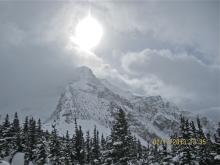
(It's a fabulous summer plant destination too. :))
cohan (not verified)
Re: Image of the day - 2013
Mon, 02/18/2013 - 10:55amBeautiful! Hard to believe this time of year that there will be a plant season...
Brian_W (not verified)
Re: Image of the day - 2013
Mon, 02/18/2013 - 11:15amI'm still waiting for spring to arrive. A photo I took yesterday moments before the snow storm moved in. That's Eriogonum ovalifolium in the foreground.
http://i1072.photobucket.com/albums/w362/townsendia/a4ddbc2b-4661-47f9-b...
externmed (not verified)
Whenever I see strata I
Mon, 03/03/2014 - 2:50pmWhenever I see strata I wonder if a line is 1 year, 10,000 years or a million years? Guessing it varies? Anyone have information?
Lori S. (not verified)
The bedding that's exposed in
Mon, 03/03/2014 - 6:13pmThe bedding that's exposed in that rock would almost certainly result from deposition on the finer end of the time scale... the months-years sort of range.
Trond Hoy
Today was the first day for
Fri, 03/21/2014 - 12:22pmToday was the first day for weeks with a little sunshine. But the wind is still blowing hard.
Rhododendron sutchuenense has been in flower for a while and a lot of the flowers have been torn away by the wind.
Lori S. (not verified)
Re: Image of the day - 2013
Mon, 02/18/2013 - 11:40amStunning, Brian!
Richard T. Rodich
Re: Image of the day - 2013
Mon, 02/18/2013 - 5:59pmBoth photos are majestic! :o :o
It even looks like the Eriogonum is "flowering" in mid-winter!
Brian, where is this? (Always one of the first things I wonder about with nature photos [hint ...] )
Brian_W (not verified)
Re: Image of the day - 2013
Tue, 02/19/2013 - 5:55amRick,
The area is in South Western Montana, just south of Helena along the shores of canyon ferry lake. Here is a general view of the area.
http://i1072.photobucket.com/albums/w362/townsendia/1828518d-c039-43d8-a...
Cliff Booker
Re: Image of the day - 2013
Tue, 02/19/2013 - 8:41amMagnificent images folks ... many thanks for posting.
Trond Hoy
Re: Image of the day - 2013
Tue, 02/19/2013 - 11:55amWho isn't waiting for spring?
A desolate but beautiful landscape! Does the ground freeze there or is it too dry? Seems to be remnants of snow in your other picture!
Brian_W (not verified)
Re: Image of the day - 2013
Wed, 02/20/2013 - 5:33amHoy,
The temperatures are well below freezing in the winter, but the soil is bone dry. Eriogonum ovalifolium is the only plant that can tolerate the extreme conditions, and it grows here by the hundreds. The soil often erodes away around the base of the plants and makes them look like silver balls sitting on top of short pedestals.
Brian
cohan (not verified)
Re: Image of the day - 2013
Thu, 02/21/2013 - 11:35amFantastic view, Brian! I'm not really thinking about spring yet, though Feb has been mild by our standards, still very white here..
Brian_W (not verified)
Re: Image of the day - 2013
Thu, 02/21/2013 - 2:21pmAnother photo from the area. Note the mud swallow nests:
http://i1072.photobucket.com/albums/w362/townsendia/284--_zpsd02a13c2.jpg
A close up of the nests. They are nature's potters:
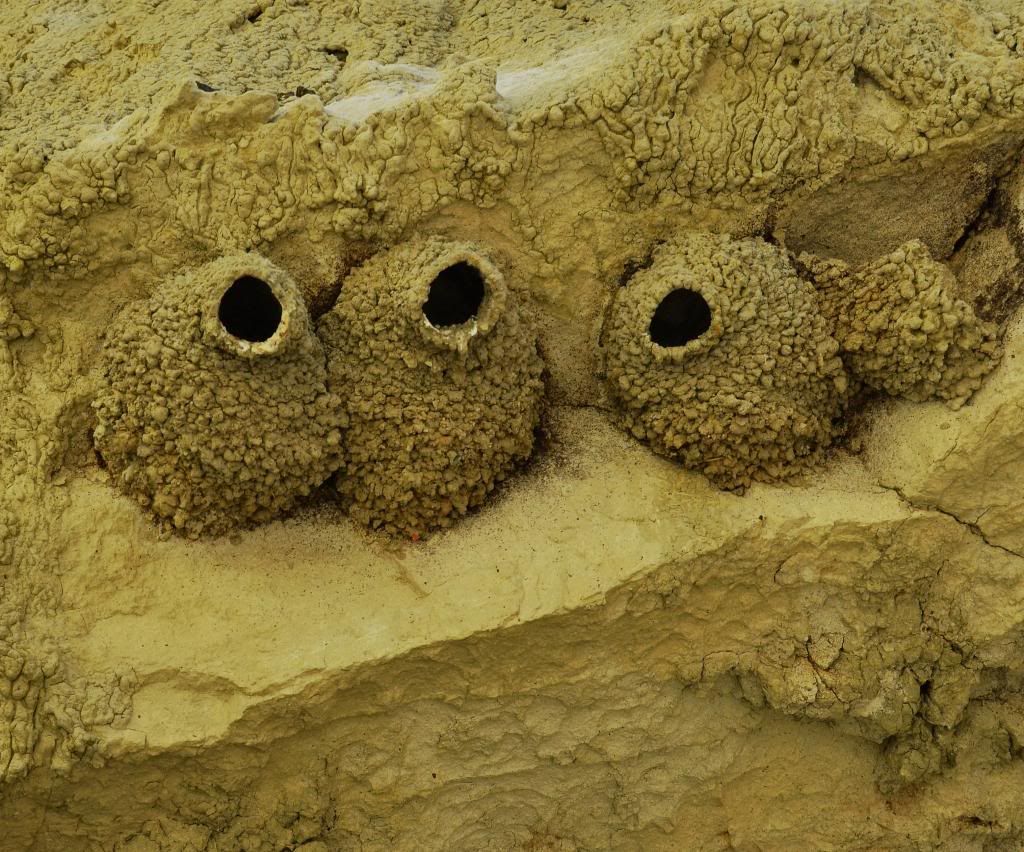
http://i1072.photobucket.com/albums/w362/townsendia/288--_zps843ec36c.jpg
cohan (not verified)
Re: Image of the day - 2013
Thu, 02/21/2013 - 3:57pmThose nests are fantastic!
Pages