all stunning plants and beautiful images, Brian - the Mentzelia is lovely- I've looked at some species on Alplains list, not sure if it's the same one. That T 'cottonball' is always amazing!
Great pics to start off the New Year! All these are "allowed entry" into Australia as seed so I'll be on the lookout ;D Where did I put that link to Alplains? ;D cheers fermi
Mentzelia laevicaulis is a late summer favorite of mine. I only wish it would stay open through the day but it is stunning to see at dusk and dawn.
That is something to bear in mind.. in contrast to my days of city life, here I am not out at dusk (or later) much in summer (dawn? seriously? ;) ) since that time of day belongs squarely to the mosquitoes! (winter is another matter, since I often finish outdoor tasks near that early dark).. May be frustrating to have flowers I could never see open....
Alplains has seed from Mentzelia involucrata, a low growing annual from California. Here in Montana, both Mentzelia laevicaulis and M. decapetala are common on dry rocky roadcuts. Both are night blooming, although the flowers last longer if the day is overcast.
Beautiful blue on the D. bicolor ssp. calcicola. Does it have a summer dormancy period?
I love the prickly poppies we have Aregmone munita ssp. rotundata out here. They do live up to their moniker well. With such a prickly nature yet sporting those delicate crepe flowers, another biannual well worth growing.
The Metzelias are another group that live up to their nickname "blazingstar". You took an exceptionally nice photo I must say.
A little less warm and inspiring than Brian's series! here's a few quick and chilly views from this morning... Probably somewhere below -20C when I took these..
It's all relative, David, all relative...lol This should be a short cold spell- yesterday and today, high of -10 tomorrow, and forecast +6 by Tuesday- we'll see! We still haven't had anything below -30C- barely that even- so really nothing extreme for us, and just a medium snowfall yesterday (maybe 12-15cm) no blizzard like many places in the last few days..
John- good phrase! It's among my favourite looks for the trees..
Soldanella montana is a nice plant and one I actually do grow in my woodland.
But I fell in love with Brian's two Mentzelia species although they possibly are a little too big for the typical rock garden. Brian, have you tried them in the garden? They seem drought tolerant but do they tolerate more rain?
And of course, the Townsendia is lovely and I like the blue Delphinium too.
After 3 weeks with spring weather up to +9C we are back to the realty of winter - and uncommonly sunny, very cold (that is -6C today!) and no wind. No party frocks on the trees though :-\
In lack of motifs in the garden I dug out this Spruce from last summer:
Nice photos everyone. We recently had a big snow storm, and cohan's photos are perfect.
John,
Delphinium bicolor ssp. calcicola is endemic to southern Montana and has a similar dormancy as the typical species (although it blooms later). It is distinguished by its larger flowers, bright blue sepals and petals that lack veins.
The prickly poppies are one of my favorite plants. We have A. polyanthemos here, but its not too common. Last summer I found some beautiful prickly poppies growing in sandy soil. They were much shorter than A. polyanthemos (but with the same large flowers) and had deeply lobed blue/grey leaves that were covered with fine hairs. I identified them as A. hispida, a plant that grows in southern Wyoming, Colorado and Utah. This smaller species would be more suitable for the rock garden. http://www.wrightmanalpines.com/sites/wrightmanalpines.com/files/A140%20Argemone%20hispida19.JPG
Both Mentzelia species can grow quite tall, but around here M. laevicaulis is usually under 24 inches. Last summer, I collected seed from M. pumila in the Pryor mountains. These have lemon yellow flowers and are usually 12 inches tall. Of course, with the smaller size comes smaller flowers. http://www.saguaro-juniper.com/i_and_i/flowers/blazing_star/blazingstar_flower2_lge.jpg
Well here some salmon seals which grow in Holland in the dunes Polygonatum odoratum var odoratum RBGG Dunes Noordwijk These differs from the more known Polygonatum odoratum var japonicum by having much bigger flowers and berries. Also the perfume is much stronger Of-course the names aren't legitimate but I don't agree with the simple name for both as Polygonatum odoratum there are to many differences and they don't exist in an area over 10.000 km
Roland
Editor note: NB. Just adding "Solomon's seal" to allow searching on the common name for Polygonatum.
Re: Mentzelia- the species on the Alplains list right now doesn't have quite the fancy flowers of the big boys, but is still very nice, and at 9cm tall, well within rock garden size! http://www.alplains.com/images/MentzelInvolu.JPG
Brian, I think you should consider a special thread for your habitat photos- it would be a great resource for the forum for folks to be able to find all/many of your shots in one place- maybe in plant travels, or desert alpines, wherever they seem to you to fit... The Stanleya is interesting, I've only seen S pinnata.. http://www.alplains.com/images/StanleyPinn.jpg
Roland, nice Polygonatums, I guess these are growing in your nursery?
Really interesting to see Stanleya tomentosa. This is mentioned by Dwight Ripley in one of his fascinating articles in the AGS Bulletin some 60 years ago, which bring parts of the US flora to life for the reader. I would agree with Cohan about a special thread for those photos - great to see for a gardener from a little island off the coast of Europe!
This is an excellent thread with a lot of plant diversity.
Stanleya tomentosa: endemic to the Pryor mountains/BigHorn basin desert in south central Montana and adjacent Wyoming. This species is monocarpic, starting life as a simple rosette of fuzzy blue/green leaves before sending up a solitary inflorescence.
Flower power:
I think this species would look spectacular scattered about in a dryland garden, or even a large rock garden. In the pryors, they are common on the windswept limestone plateaus, growing among cushions plants.
The height of Stanleya tomentosa varies depending on conditions. Usually around 3-6 feet tall is average. The last one is exceptional and would be toward the taller end of the spectrum. I sent seed of this species to the Denver Botanical Gardens. I've been told that Mike Bone has a lot of experience propagating Stanleyas.
From what I've observed, Ipomopsis spicata var. spicata is perennial and var. orchidacea is biannual. Both are attractive plants, but I really like the long, tangled hairs on the stem and leaves of var. orchidacea.
Wyethia scabra, a plant from the deserts of the southwest, but a population has found a home in the red soils of the pryor mountains, having migrated north through the basin of central Wyoming. I'll admit a certain fondness for these disheveled beauties: http://i1072.photobucket.com/albums/w362/townsendia/random%20stuff/wyeth...
Really great photos! I just want to work out how to transpose a little of the Pryor Mountains into my garden! A very large sand bed in the middle of the lawn? I need to reduce the rainfall by half and increase the light intensity and summer temperatures by 10°C - a glass covered bed might do it?
Penstemon nitidus in the early spring is always a welcome sight. I love the clear blue against the gray of the foliage. I am happy to say it seeds around for me and is long lived were it's roots can reach a touch of extra moisture, from a near by drip emitter.
Kelseya how wonderful is that!! :o Excuse me for a minute while I wipe the drool from my chin. :-[ There that's better. ;) Your photos of it always get my heart racing. Are you ever able to collect seed or have you ever tried cuttings. The way it clings to the cliff walls is extraordinary, seems to defy gravity!!
And to top it all off, there's a photo of a very nice pink Castilleja angustifolia. I think the syn. is Castilleja chromosa any way that is what we call it. I have encountered pink ones before but we see more fiery reds, bright oranges and lemon yellows
I was able to grow Mentzelia decapetala in western Oregon in a bed of sandy loam 10" deep, on the south side of the house. It's a big straggly thing, but it's one of my favorite plants. They are biennial here. But they set tons of seed. However, the seed is very tricky to germinate, at least in this climate. It will not self-sow in the sand bed. I haven't figured out yet what it wants. It likes to germinate in cool weather, but it's not reliable. It is extremely difficult to transplant out of a pot, because the big taproot doesn't hold the soil together.
Is it a coincidence that nearly all of my favorite plants are nearly impossible to grow?
Kelseya is a very unique and spectacular plant. In the Big Belt mountains outside of Helena, it is very common. I've been collecting seed from it for 7 years now. It's difficult to get a good quantity not only because of the cliff-side habitat, but also because the tiny seed pods are embedded in the cushion. I basically have to wedge myself up against the cliff with one hand holding a coin envelop and the other massaging the cushion in order to free the seed pods. The seed germinates quite readily once frozen, but the seedlings grow very slow. I mean VERY slow. They are a good plant for tufa.
Stanleya tomentosa is mostly a plant of the Pryor mountains, but it can be found in Northern Wyoming. You have to look for it in the BigHorn Basin. It is a desert species.
Gene- surely no coincidence- we've discussed before this inverse relationship between a plant's desirability and it's ease of cultivation!
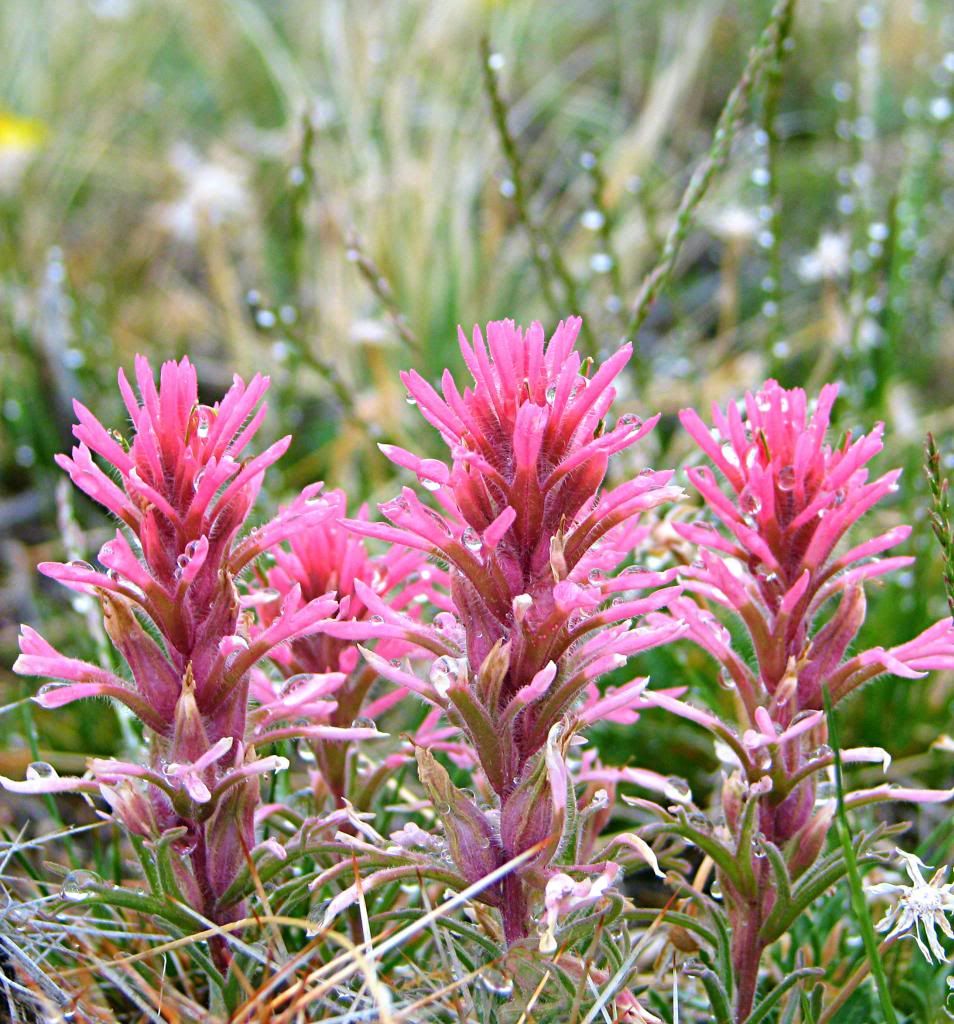
John- interesting colour range you mention for Castilleja angustifolia- Alplains lists it this way: Castilleja angustifolia (Scrophulariaceae) (16x12,Z4,P,RL3:6w) ......................................... 100 seeds / $3.50 07832.18 (W) Butte Co., ID, 6800ft, 2073m. A spring-blooming sp. with gorgeous flower spikes in various purple, plum or pink shades. On alluvial plains of gravelly, loamy soils.
Must be a regional difference..
Brian- 3 inches in 4 years is not as bad as I thought when I heard very slow- though of course it is slow when one is wanting one of those great cushions ;D is it amenable to transplanting of seedlings or plants several years old? (just thinking once a person had one growing, they'd want to take it along if they moved!)
Thanks for the site, Brian. What fabulous pictures of Kelseya. I rmember seeing a cliffside with huge cushions of Kelseya in the Big Horns - unfortunately not totally in bloom.
Cohan Mark Egger is one of the leading authorities on many of the genera included in Orobanchaceae. He maintains an extensive collection of photos on his Flickr sight. You can find it at: http://www.flickr.com/photos/34090482@N03
I hope this clears up some of the confusion. The reason I stated that Castilleja angustifolia and Castilleja chromosa were synonymous was from my experiences with the Jepson Manual used in California. I guess I was assuming that the same held true across the west. I was wrong. :rolleyes:
It's always nice to know were to find an expert. I hope you enjoy his Flickr sight It's a great resource.
Kelseya grows very well in pots, as long as the roots stay cool. This would be the best way for a person who anticipates a move. Once the plants are established in the rock garden, I don't think they can be transplanted.

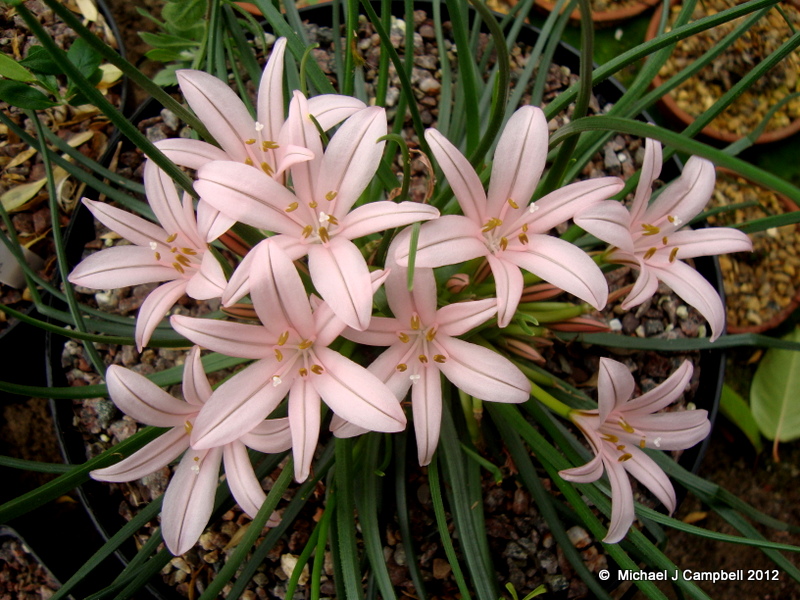
Comments
cohan (not verified)
Re: Image of the day - 2013
Mon, 01/07/2013 - 11:23pmReally nice colour form!
McGregorUS (not verified)
Re: Image of the day - 2013
Wed, 01/09/2013 - 2:37amBeautiful thing. I grew it for about three years but then managed to lose it. Must try it again. Your picture reminds me just how nice it is.
Brian_W (not verified)
Re: Image of the day - 2013
Thu, 01/10/2013 - 6:20amMentzelia laevicaulis, Queen of the highway:

http://i1072.photobucket.com/albums/w362/townsendia/blazingstar_zps3c8f8...
Townsendia spathulata from the Pryors starting to bloom:

http://i1072.photobucket.com/albums/w362/townsendia/Tspathpryors1-1_zps1...
Physaria didymocarpa surrounded by its inflated fruit:
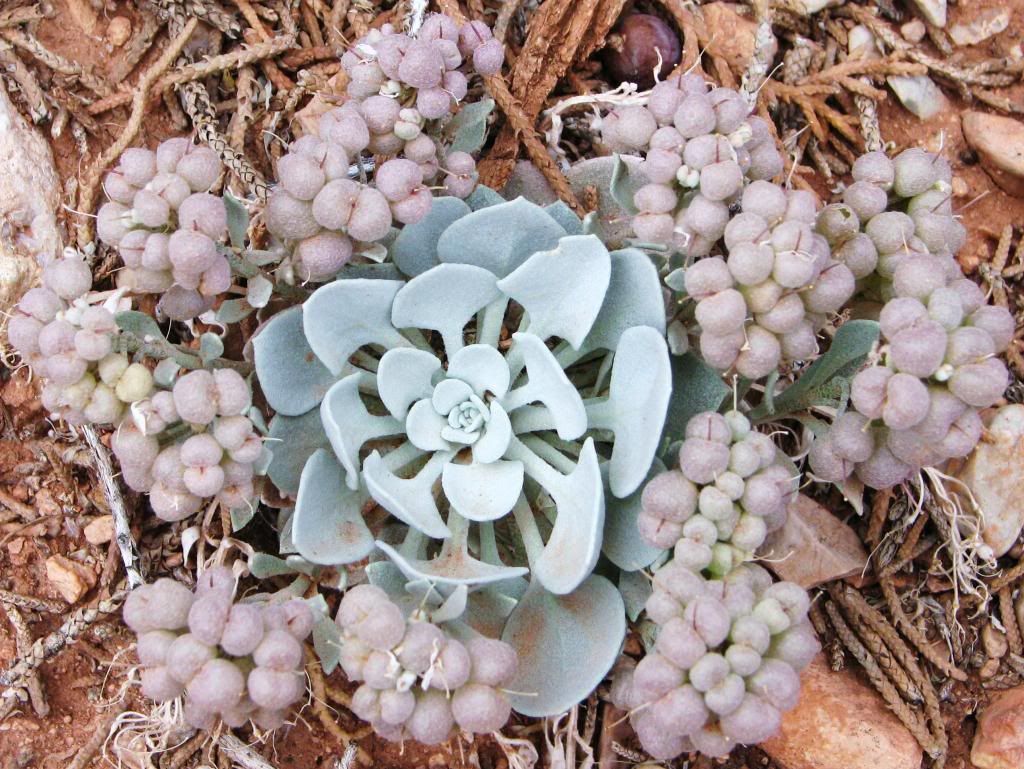
http://i1072.photobucket.com/albums/w362/townsendia/Physariadidymocarpa_...
A cautious Townsendia spathulata 'cottonbal form' on a cold spring day:
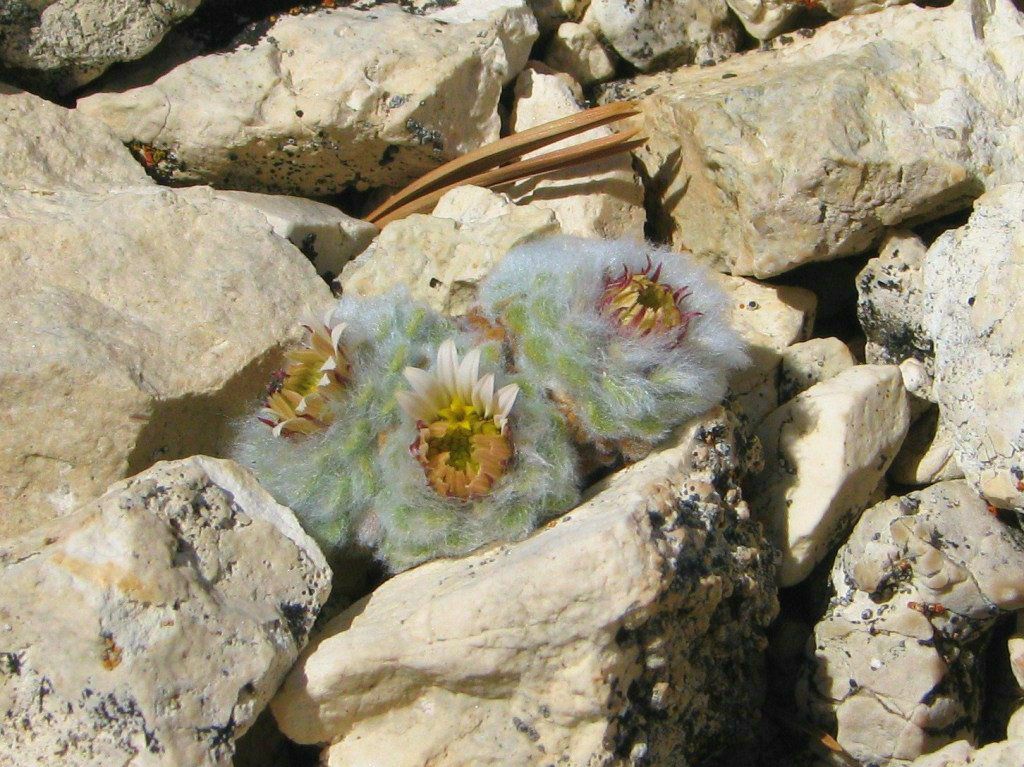
http://i1072.photobucket.com/albums/w362/townsendia/cottonballwild1-1_zp...
cohan (not verified)
Re: Image of the day - 2013
Thu, 01/10/2013 - 12:37pmall stunning plants and beautiful images, Brian - the Mentzelia is lovely- I've looked at some species on Alplains list, not sure if it's the same one.
That T 'cottonball' is always amazing!
Cliff Booker
Re: Image of the day - 2013
Thu, 01/10/2013 - 2:33pmExceptional plants and images, Brian.
John P. Weiser
Re: Image of the day - 2013
Thu, 01/10/2013 - 4:58pmMentzelia laevicaulis is a late summer favorite of mine. I only wish it would stay open through the day but it is stunning to see at dusk and dawn.
Fermi de Sousa
Re: Image of the day - 2013
Thu, 01/10/2013 - 6:44pmGreat pics to start off the New Year!
All these are "allowed entry" into Australia as seed so I'll be on the lookout ;D
Where did I put that link to Alplains? ;D
cheers
fermi
cohan (not verified)
Re: Image of the day - 2013
Fri, 01/11/2013 - 12:36amThat is something to bear in mind.. in contrast to my days of city life, here I am not out at dusk (or later) much in summer (dawn? seriously? ;) ) since that time of day belongs squarely to the mosquitoes! (winter is another matter, since I often finish outdoor tasks near that early dark).. May be frustrating to have flowers I could never see open....
Brian_W (not verified)
Re: Image of the day - 2013
Fri, 01/11/2013 - 5:28amGreetings,
Alplains has seed from Mentzelia involucrata, a low growing annual from California. Here in Montana, both Mentzelia laevicaulis and M. decapetala are common on dry rocky roadcuts. Both are night blooming, although the flowers last longer if the day is overcast.
A few more photos:
Delphinium bicolor ssp. calcicola

http://i1072.photobucket.com/albums/w362/townsendia/random%20stuff/Delph...
Oenothera caespitosa from the back:
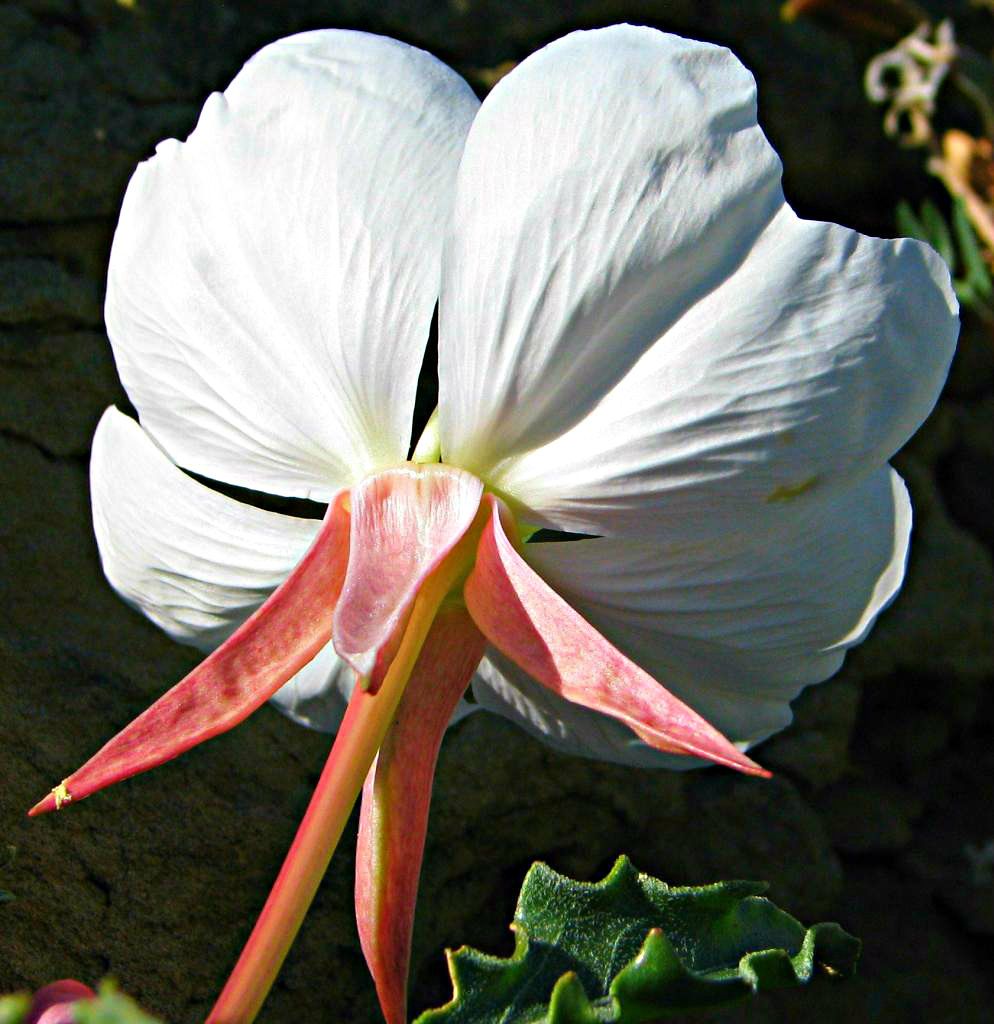
http://i1072.photobucket.com/albums/w362/townsendia/random%20stuff/218_z...
Calochortus nuttallii. They are primarily pollinated by beetles. Just a guess ;)
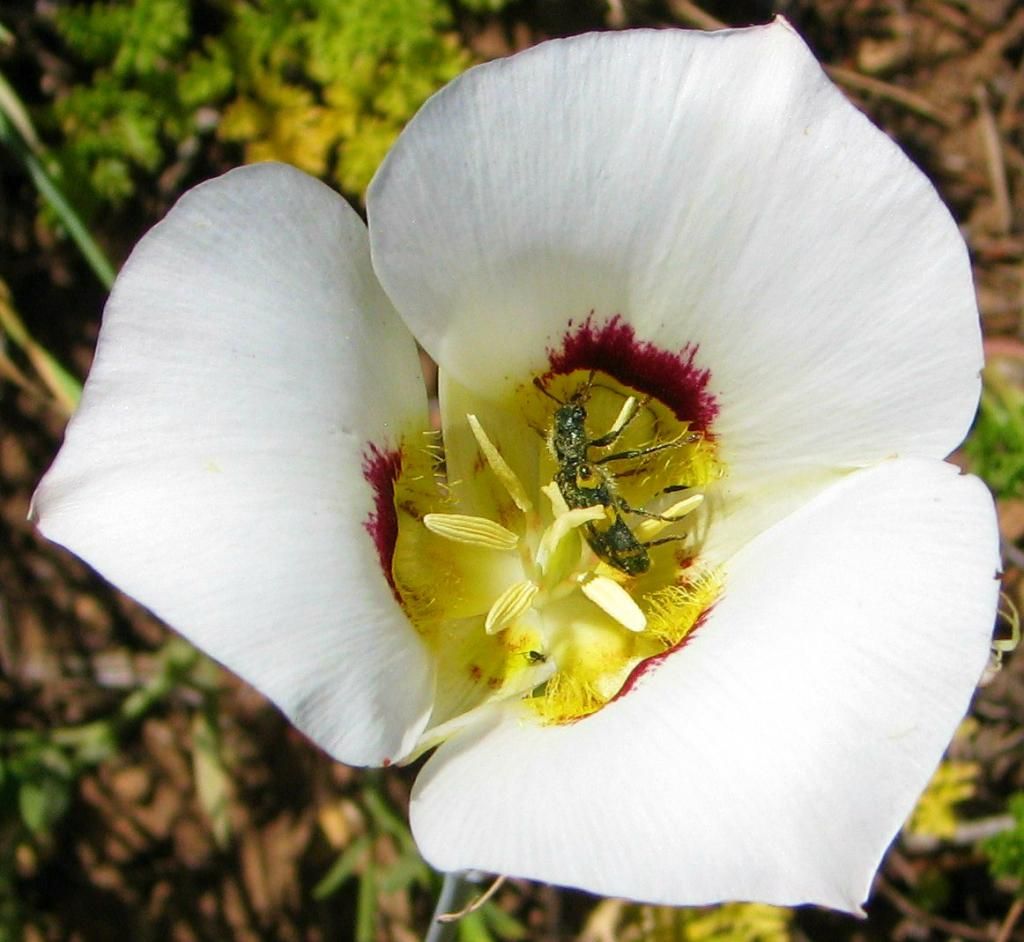
http://i1072.photobucket.com/albums/w362/townsendia/random%20stuff/caloc...
Argemone polyanthemos:
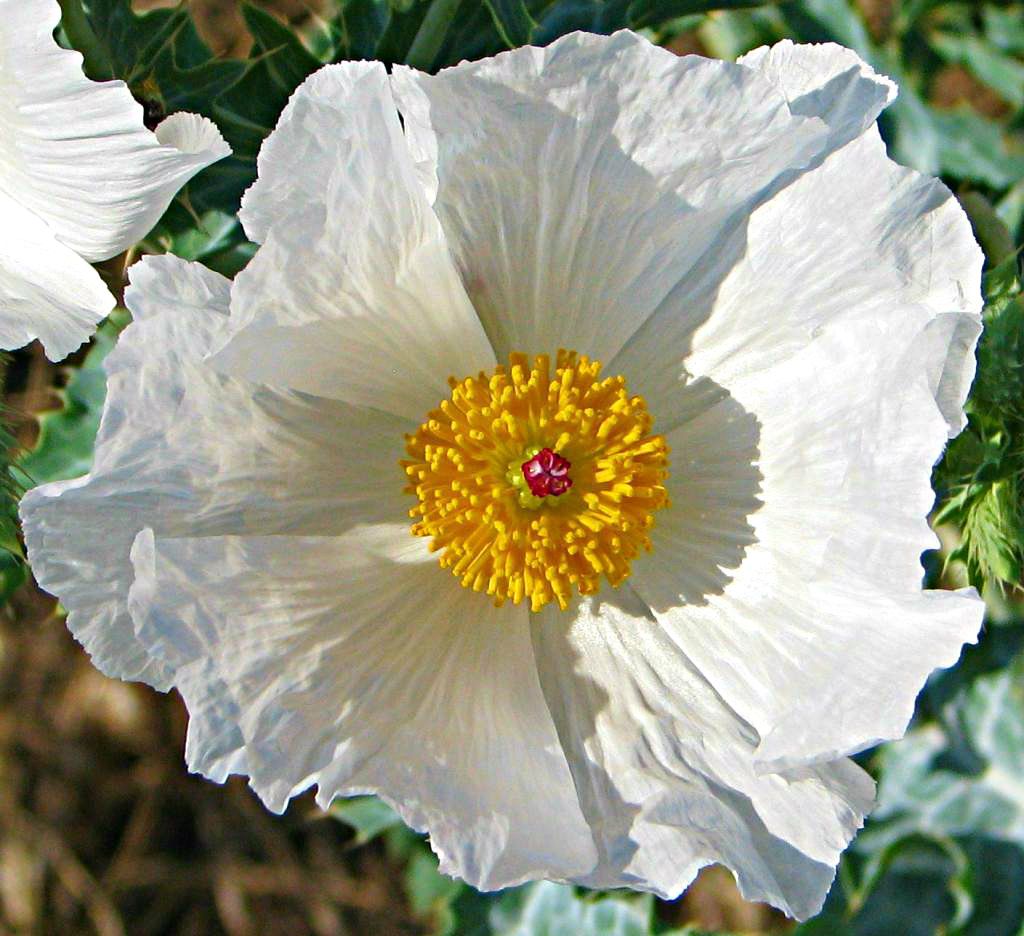
http://i1072.photobucket.com/albums/w362/townsendia/random%20stuff/Prick...
Oenothera caespitosa in the red soils of the Pryors:
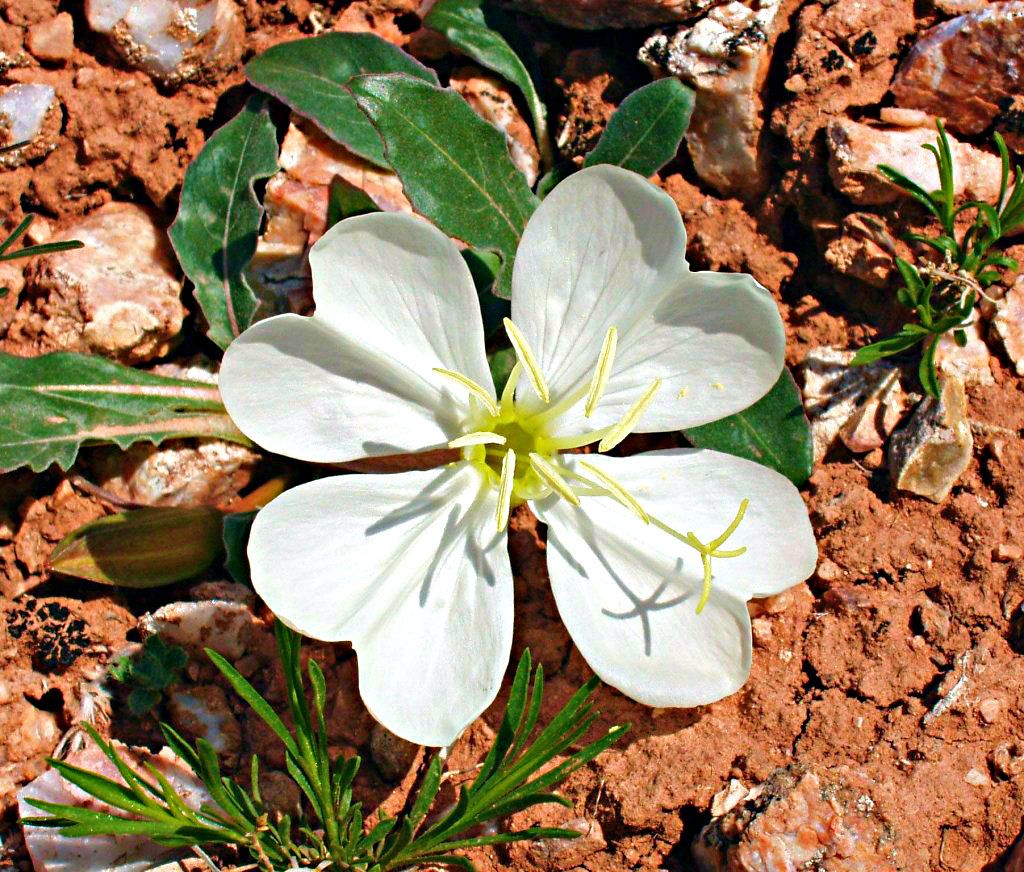
http://i1072.photobucket.com/albums/w362/townsendia/random%20stuff/eveni...
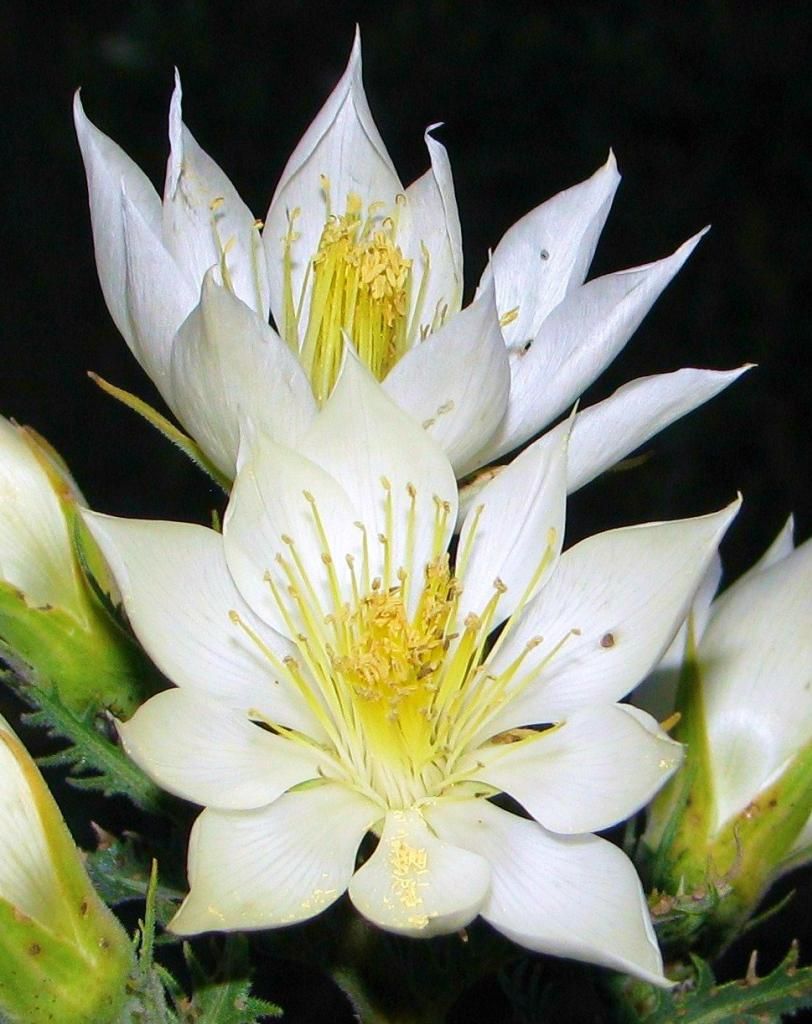
Mentzelia decapetala in the evening:
http://i1072.photobucket.com/albums/w362/townsendia/random%20stuff/mentz...
John P. Weiser
Re: Image of the day - 2013
Fri, 01/11/2013 - 6:43amVery nice! :D
Beautiful blue on the D. bicolor ssp. calcicola. Does it have a summer dormancy period?
I love the prickly poppies we have Aregmone munita ssp. rotundata out here. They do live up to their moniker well. With such a prickly nature yet sporting those delicate crepe flowers, another biannual well worth growing.
The Metzelias are another group that live up to their nickname "blazingstar". You took an exceptionally nice photo I must say.
cohan (not verified)
Re: Image of the day - 2013
Fri, 01/11/2013 - 11:14amAll gorgeous! the Oenothera seems to have very pleasing foliage as well..
cohan (not verified)
Re: Image of the day - 2013
Fri, 01/11/2013 - 12:08pmA little less warm and inspiring than Brian's series! here's a few quick and chilly views from this morning... Probably somewhere below -20C when I took these..
deesen (not verified)
Re: Image of the day - 2013
Fri, 01/11/2013 - 12:14pm.... and here's me finding it difficult to cope with single but high end centigrade figures ;D
John P. Weiser
Re: Image of the day - 2013
Fri, 01/11/2013 - 12:45pmMy mother would have said that "the trees are in their party frocks"
cohan (not verified)
Re: Image of the day - 2013
Fri, 01/11/2013 - 12:46pmIt's all relative, David, all relative...lol This should be a short cold spell- yesterday and today, high of -10 tomorrow, and forecast +6 by Tuesday- we'll see! We still haven't had anything below -30C- barely that even- so really nothing extreme for us, and just a medium snowfall yesterday (maybe 12-15cm) no blizzard like many places in the last few days..
John- good phrase! It's among my favourite looks for the trees..
Todd Boland
Re: Image of the day - 2013
Fri, 01/11/2013 - 3:52pmBrian, those images are stunning...I am in love with that Townsendia.
Here is an image of Soldanella alpina growing in the wilds of the Pyrenees, Spain.
cohan (not verified)
Re: Image of the day - 2013
Fri, 01/11/2013 - 3:56pmNice one, todd- do you have any idea whether those grasses get tall over the summer or whether they are naturally small or even grazed or something?
Trond Hoy
Re: Image of the day - 2013
Sat, 01/12/2013 - 12:47amSoldanella montana is a nice plant and one I actually do grow in my woodland.
But I fell in love with Brian's two Mentzelia species although they possibly are a little too big for the typical rock garden. Brian, have you tried them in the garden? They seem drought tolerant but do they tolerate more rain?
And of course, the Townsendia is lovely and I like the blue Delphinium too.
After 3 weeks with spring weather up to +9C we are back to the realty of winter - and uncommonly sunny, very cold (that is -6C today!) and no wind. No party frocks on the trees though :-\
In lack of motifs in the garden I dug out this Spruce from last summer:
Brian_W (not verified)
Re: Image of the day - 2013
Sat, 01/12/2013 - 6:20amNice photos everyone. We recently had a big snow storm, and cohan's photos are perfect.
John,
Delphinium bicolor ssp. calcicola is endemic to southern Montana and has a similar dormancy as the typical species (although it blooms later). It is distinguished by its larger flowers, bright blue sepals and petals that lack veins.
The prickly poppies are one of my favorite plants. We have A. polyanthemos here, but its not too common. Last summer I found some beautiful prickly poppies growing in sandy soil. They were much shorter than A. polyanthemos (but with the same large flowers) and had deeply lobed blue/grey leaves that were covered with fine hairs. I identified them as A. hispida, a plant that grows in southern Wyoming, Colorado and Utah. This smaller species would be more suitable for the rock garden. http://www.wrightmanalpines.com/sites/wrightmanalpines.com/files/A140%20Argemone%20hispida19.JPG
Both Mentzelia species can grow quite tall, but around here M. laevicaulis is usually under 24 inches. Last summer, I collected seed from M. pumila in the Pryor mountains. These have lemon yellow flowers and are usually 12 inches tall. Of course, with the smaller size comes smaller flowers. http://www.saguaro-juniper.com/i_and_i/flowers/blazing_star/blazingstar_flower2_lge.jpg
A few more:
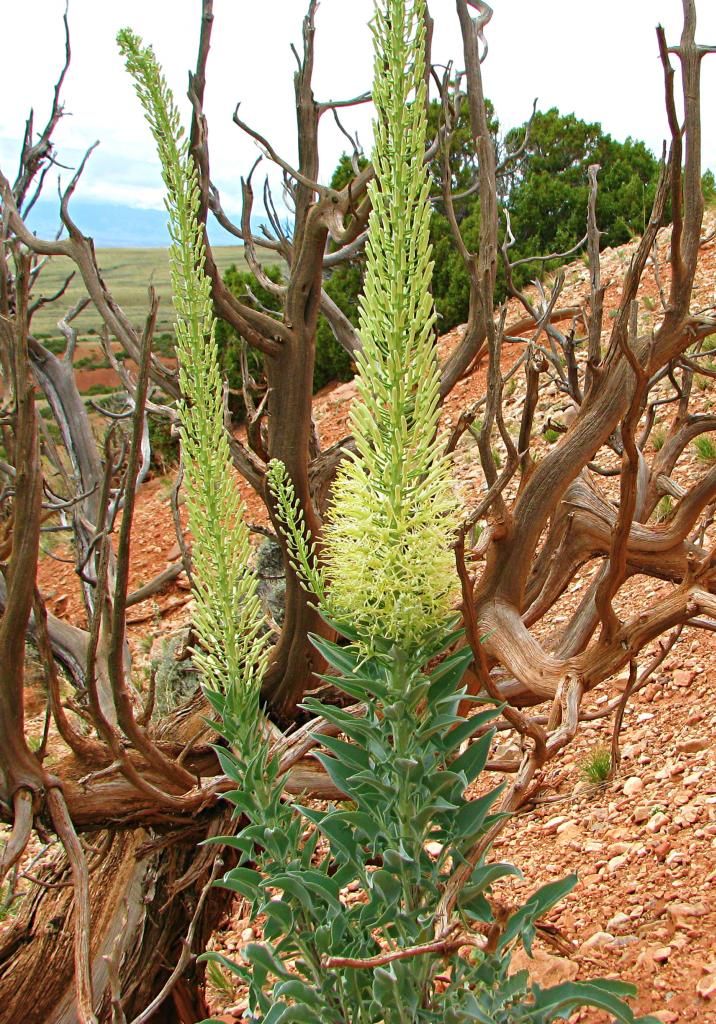
Stanleya tomentosa weaving its way up through a juniper skeleton:
http://i1072.photobucket.com/albums/w362/townsendia/random%20stuff/318_z...
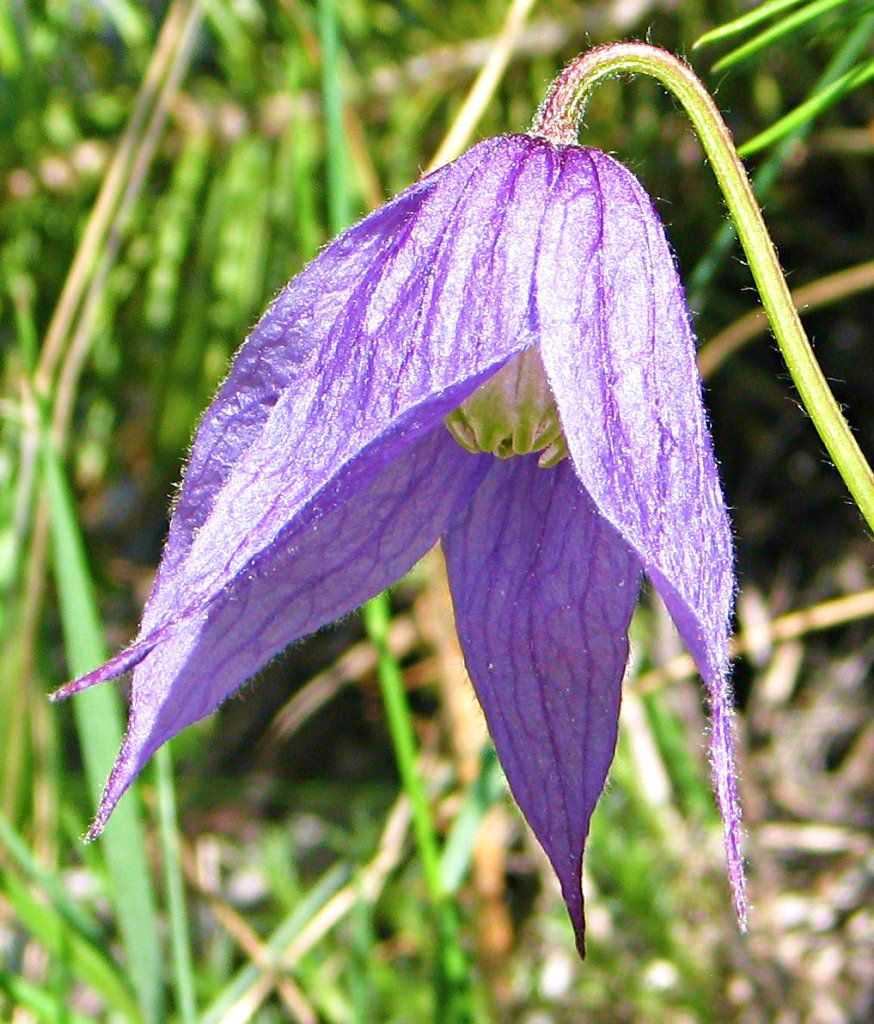
Clematis columbiana var. tenuiloba
http://i1072.photobucket.com/albums/w362/townsendia/random%20stuff/Clema...
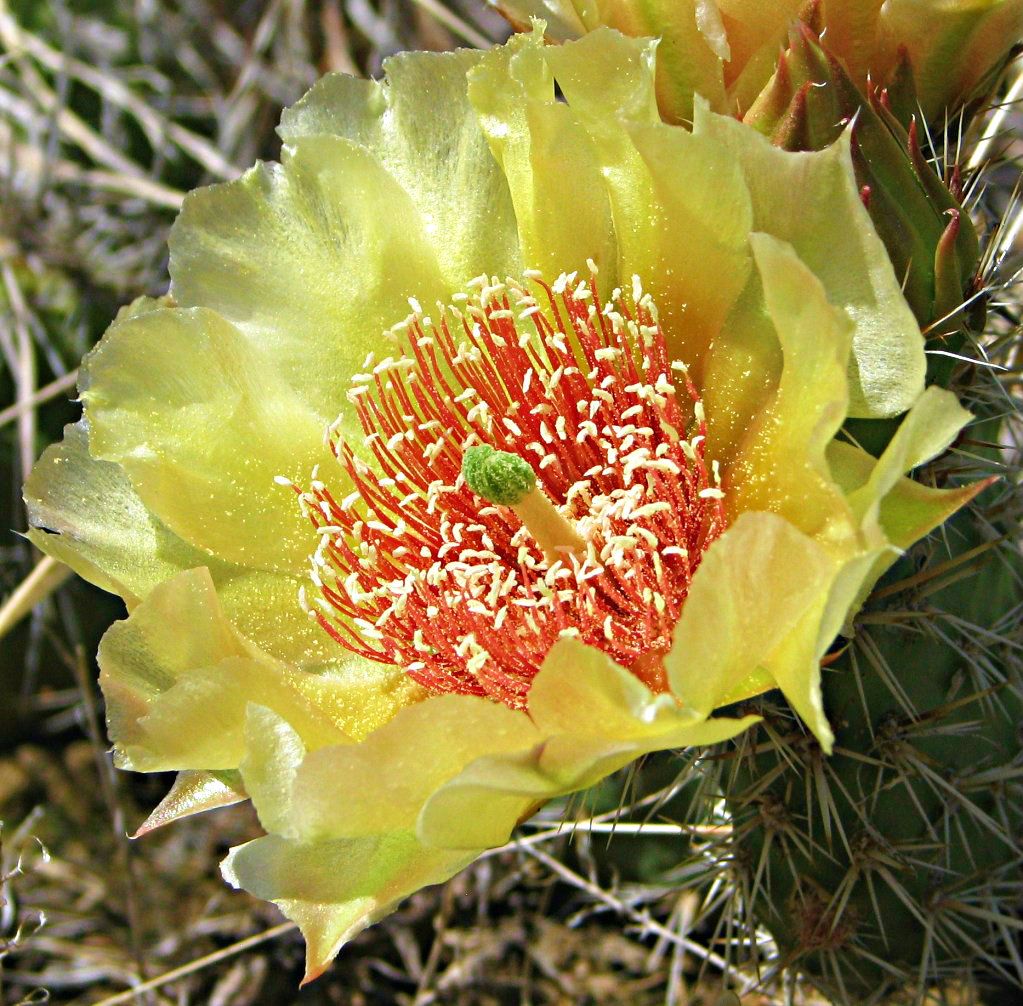
Opuntia polyacantha:
http://i1072.photobucket.com/albums/w362/townsendia/random%20stuff/opunt...
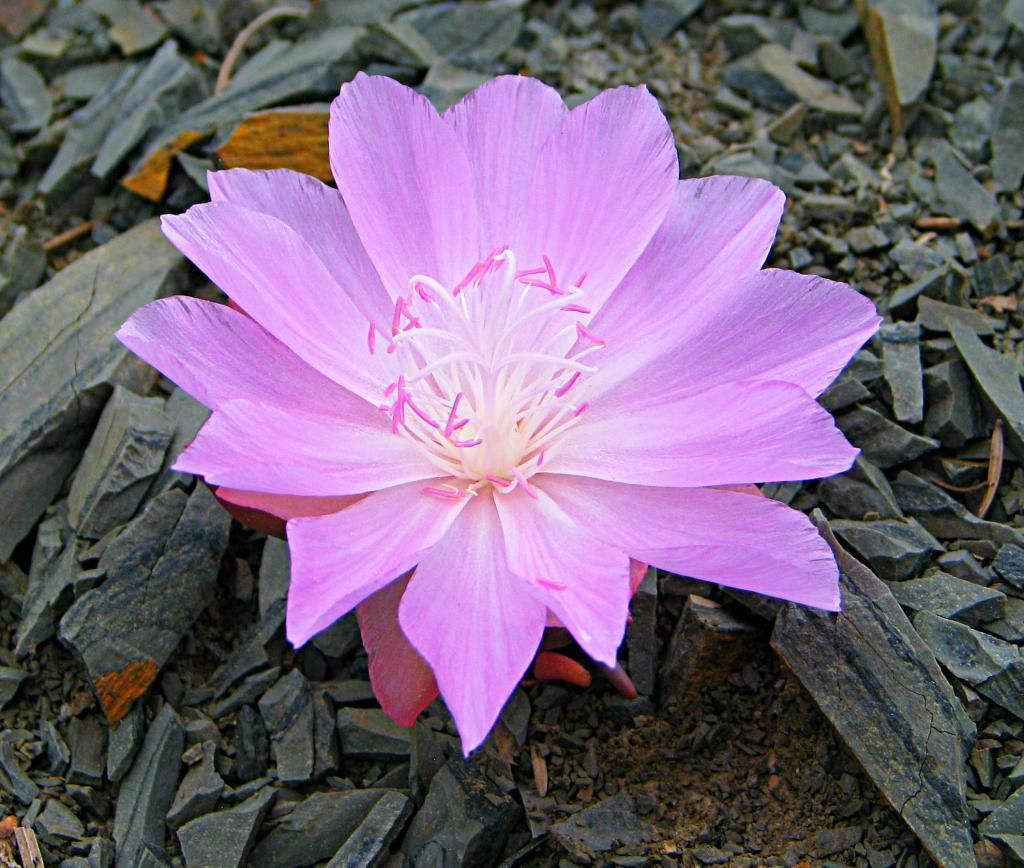
Lewisia rediviva in black shale:
http://i1072.photobucket.com/albums/w362/townsendia/random%20stuff/brtbl...
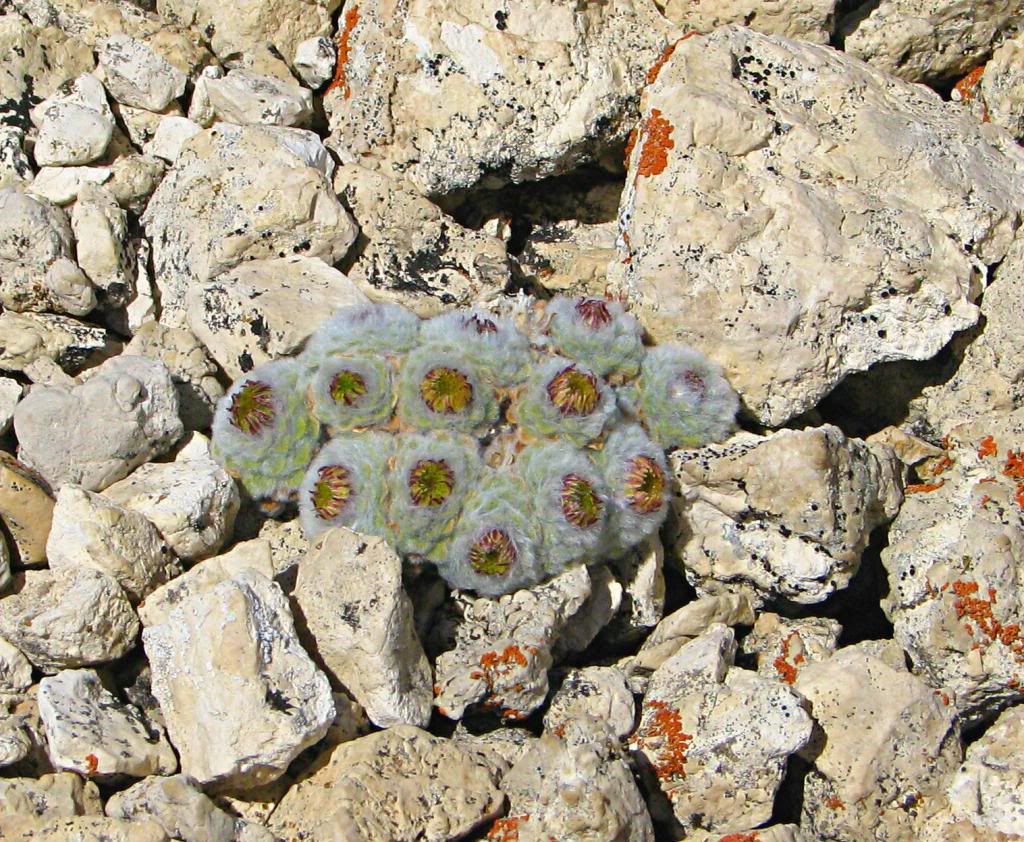
A "cottonball" during late summer. I think there are about 7 rosettes hidden under the wool:
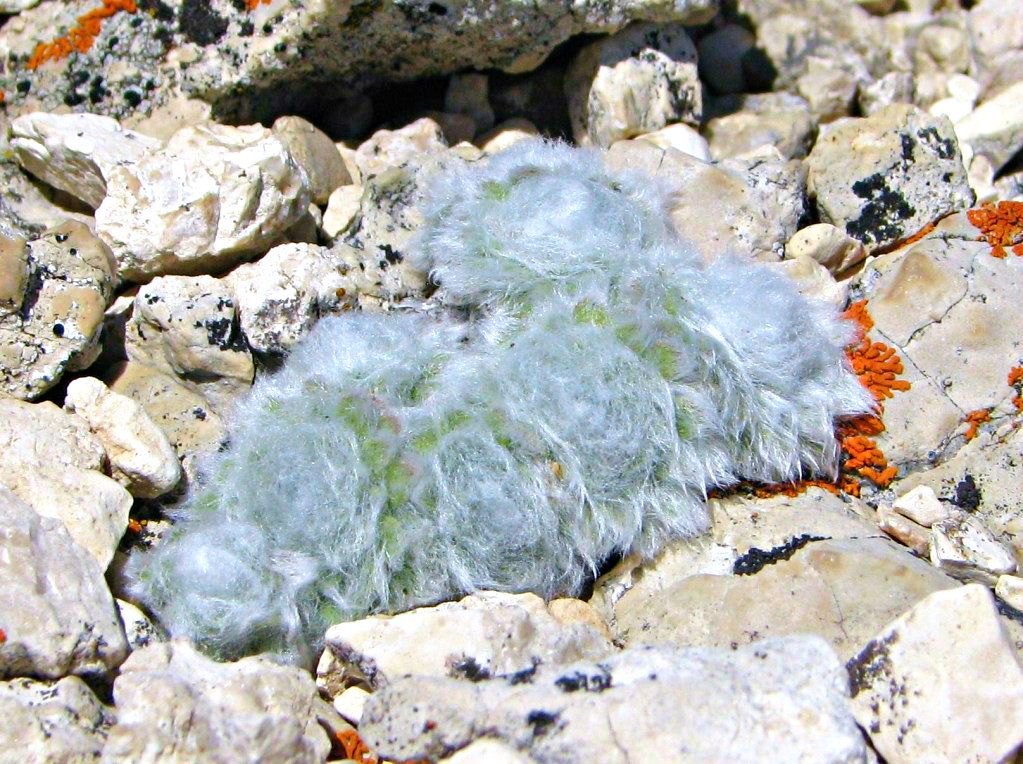
(Moderator: Townsendia spathulata "Pryor Mountains Form")
http://i1072.photobucket.com/albums/w362/townsendia/random%20stuff/Cotto...
Fritillaria atropurpurea
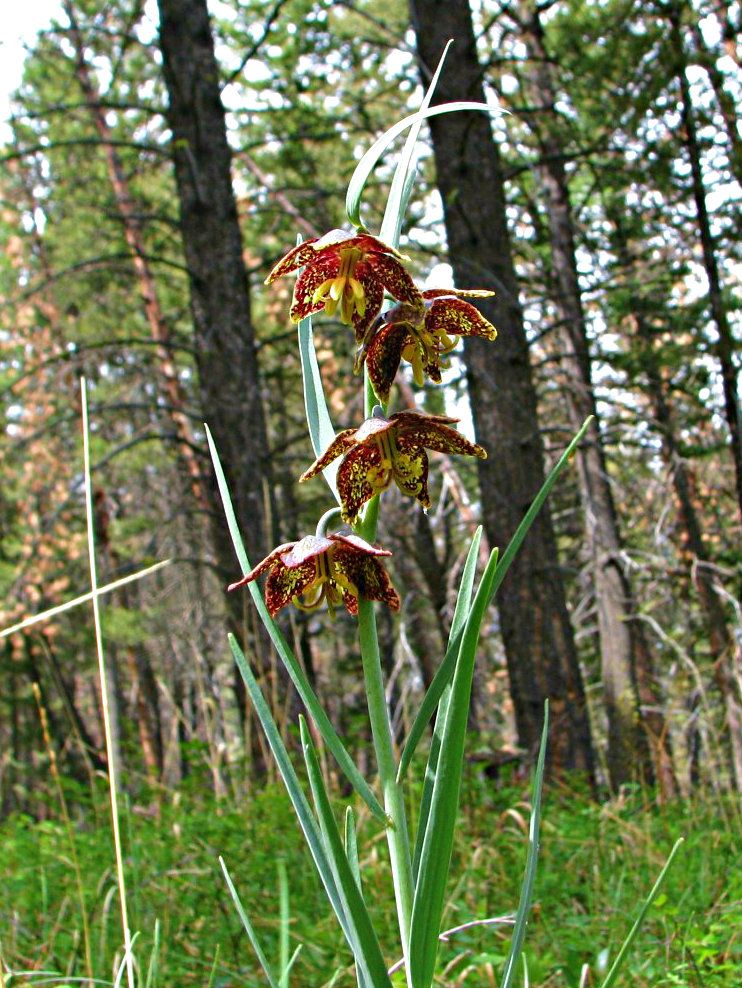
http://i1072.photobucket.com/albums/w362/townsendia/random%20stuff/Frita...
Mark McDonough
Re: Image of the day - 2013
Sat, 01/12/2013 - 7:42amBeautiful photos, in particular, Fritillaria atropurpurea is to die for, great vantage point looking up into the flowers.
Brian: I added a plant name to the "cottonball" photo so that the name can be searched on the forum; hope I got the name correct.
bulborum (not verified)
Re: Image of the day - 2013
Sat, 01/12/2013 - 10:22amWell here some salmon seals which grow in Holland in the dunes
Polygonatum odoratum var odoratum RBGG Dunes Noordwijk
These differs from the more known Polygonatum odoratum var japonicum by having much bigger flowers and berries.
Also the perfume is much stronger
Of-course the names aren't legitimate
but I don't agree with the simple name for both as Polygonatum odoratum
there are to many differences
and they don't exist in an area over 10.000 km
Roland
Editor note: NB. Just adding "Solomon's seal" to allow searching on the common name for Polygonatum.
cohan (not verified)
Re: Image of the day - 2013
Sat, 01/12/2013 - 11:08amRe: Mentzelia- the species on the Alplains list right now doesn't have quite the fancy flowers of the big boys, but is still very nice, and at 9cm tall, well within rock garden size!
http://www.alplains.com/images/MentzelInvolu.JPG
Brian, I think you should consider a special thread for your habitat photos- it would be a great resource for the forum for folks to be able to find all/many of your shots in one place- maybe in plant travels, or desert alpines, wherever they seem to you to fit...
The Stanleya is interesting, I've only seen S pinnata..
http://www.alplains.com/images/StanleyPinn.jpg
Roland, nice Polygonatums, I guess these are growing in your nursery?
bulborum (not verified)
Re: Re: Image of the day - 2013
Sat, 01/12/2013 - 11:16amYes Cohen
I found some nice selections
Roland
Michael J Campbell (not verified)
Re: Image of the day - 2013
Sat, 01/12/2013 - 11:27amHepatica jap asahizuru
Hepatica japonica white
Hepatica nobilis blue with blue anthers.
Hepatica transsilvanica Mrs Elison Spence.
deesen (not verified)
Re: Image of the day - 2013
Sat, 01/12/2013 - 12:17pmBeautiful Michael, and cracking images too. Same goes for the daffs.
Trond Hoy
Re: Image of the day - 2013
Sat, 01/12/2013 - 1:31pmBrian, beautiful plants everyone of them!
Michael, yours too! Hepatica is one of my favorite genera but I have not started to grow any of the more special ones.
Roland, your Polygonatum is very different from those growing here. Yours have a lot more flowers as you can see, here is the common wild form here:
Tim Ingram (not verified)
Re: Image of the day - 2013
Sat, 01/12/2013 - 1:39pmReally interesting to see Stanleya tomentosa. This is mentioned by Dwight Ripley in one of his fascinating articles in the AGS Bulletin some 60 years ago, which bring parts of the US flora to life for the reader. I would agree with Cohan about a special thread for those photos - great to see for a gardener from a little island off the coast of Europe!
bulborum (not verified)
Re: Re: Image of the day - 2013
Sat, 01/12/2013 - 1:49pmHoy
That's one of the reasons that I don't agree
that all P. odoratum's are the same
Roland
Anne Spiegel
Re: Image of the day - 2013
Sat, 01/12/2013 - 4:03pmBrian, your pictures are wonderful, but I especially like the combination of Lewisia rediviva with the black shale mulch.
Trond Hoy
Re: Re: Image of the day - 2013
Sat, 01/12/2013 - 11:01pmD'accord!
Brian_W (not verified)
Re: Image of the day - 2013
Sun, 01/13/2013 - 7:02amGreetings,
This is an excellent thread with a lot of plant diversity.
Stanleya tomentosa: endemic to the Pryor mountains/BigHorn basin desert in south central Montana and adjacent Wyoming. This species is monocarpic, starting life as a simple rosette of fuzzy blue/green leaves before sending up a solitary inflorescence.
Flower power:
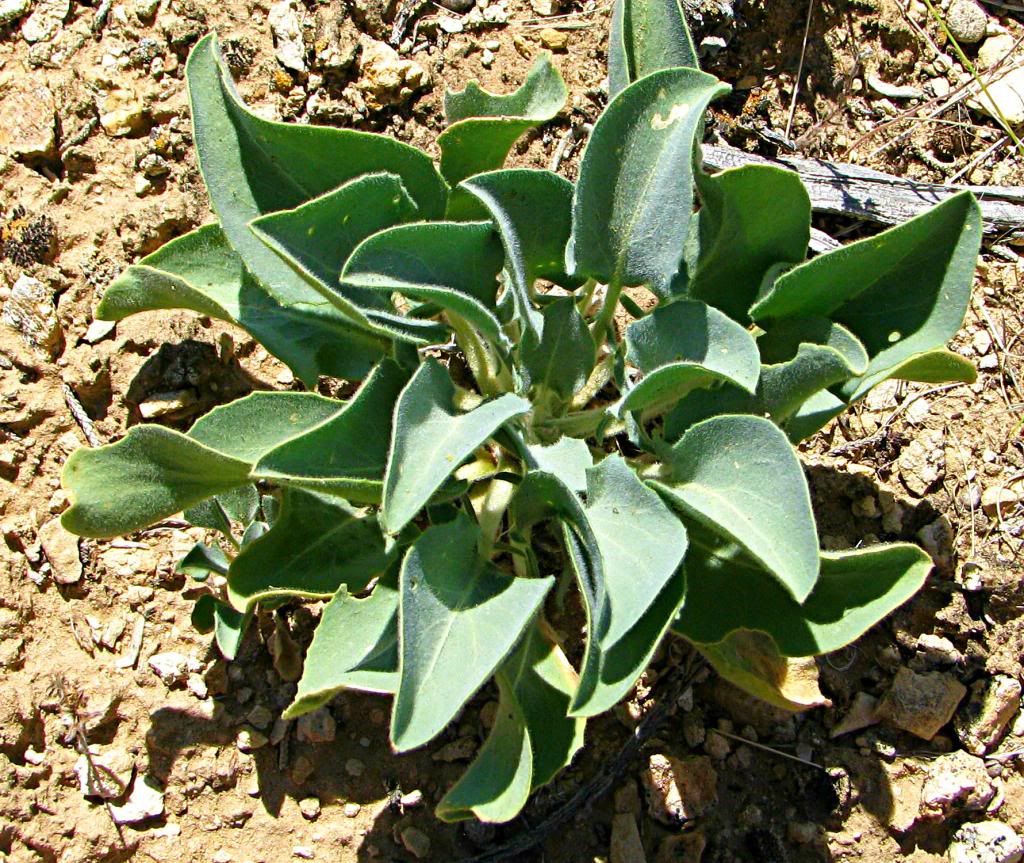
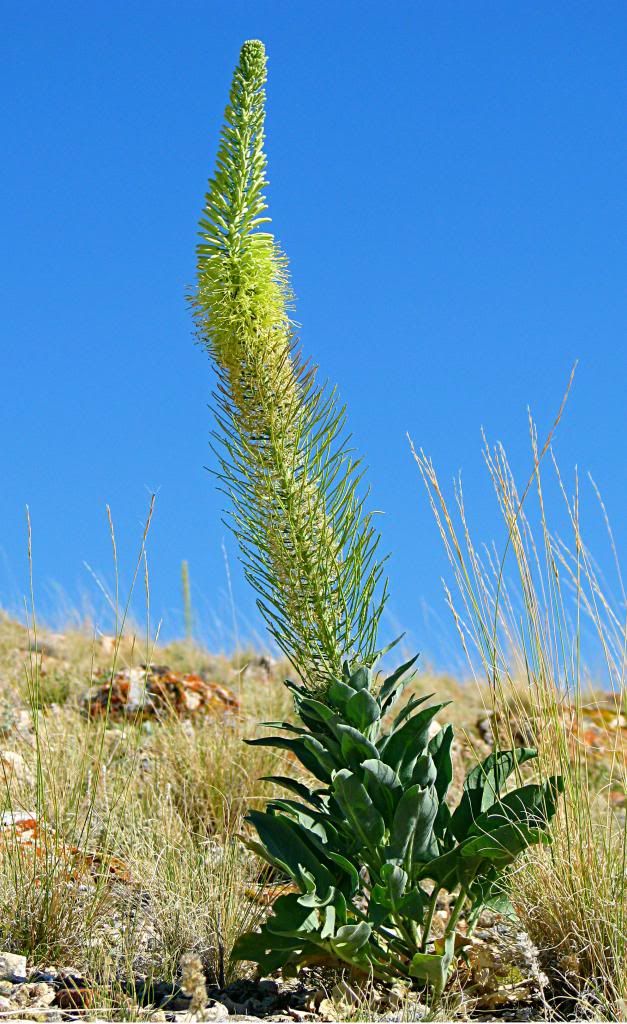
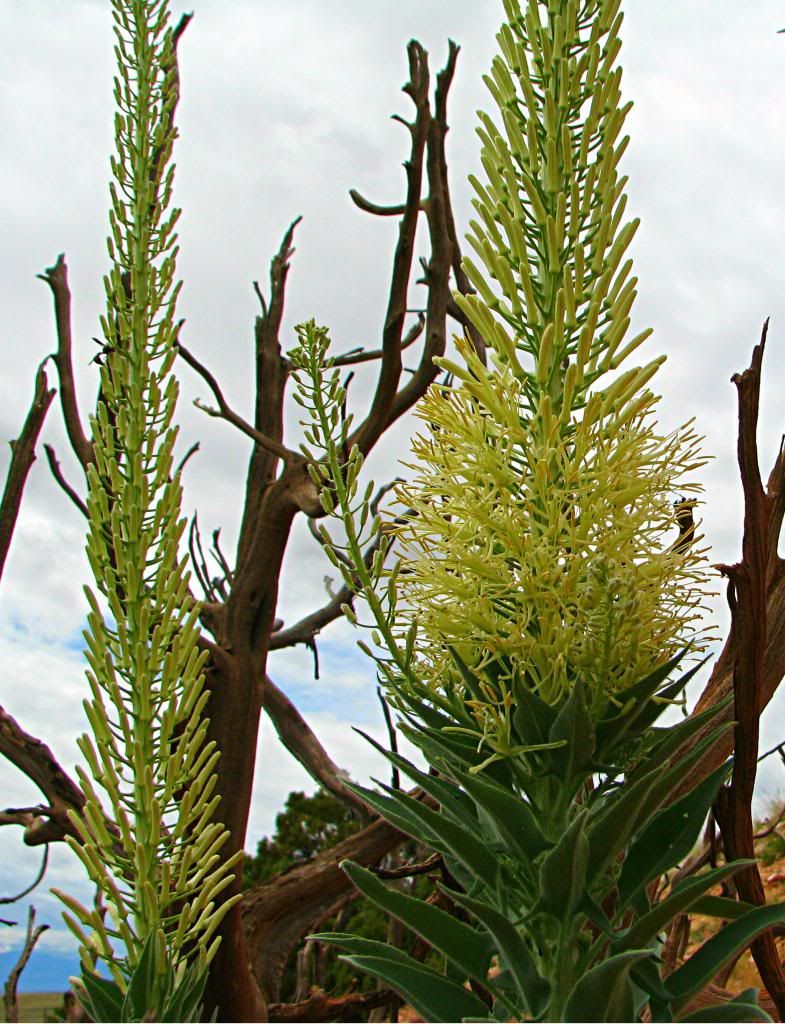
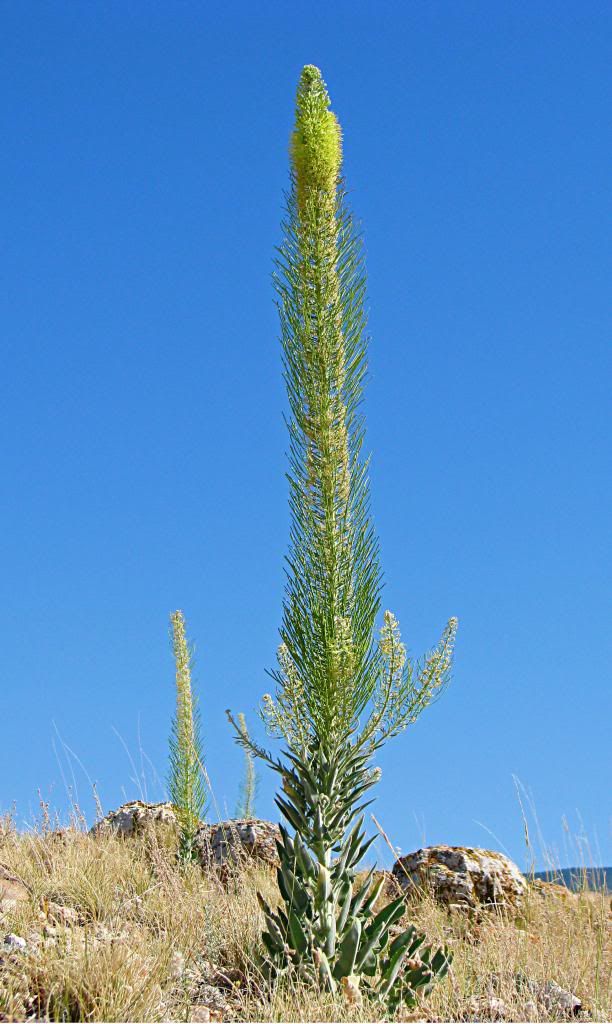
I think this species would look spectacular scattered about in a dryland garden, or even a large rock garden. In the pryors, they are common on the windswept limestone plateaus, growing among cushions plants.
Mark McDonough
Re: Image of the day - 2013
Sun, 01/13/2013 - 9:06amWow, impressive plant! Brian, just how tall do you estimate that spire is. in that last photo?
cohan (not verified)
Re: Image of the day - 2013
Sun, 01/13/2013 - 10:55pmVery cool indeed, Brian! Like Mark, I'm curious about the size.. this would be a very interesting plant to try..
Brian_W (not verified)
Re: Image of the day - 2013
Mon, 01/14/2013 - 6:24amGreetings,
The height of Stanleya tomentosa varies depending on conditions. Usually around 3-6 feet tall is average. The last one is exceptional and would be toward the taller end of the spectrum. I sent seed of this species to the Denver Botanical Gardens. I've been told that Mike Bone has a lot of experience propagating Stanleyas.
A few more:
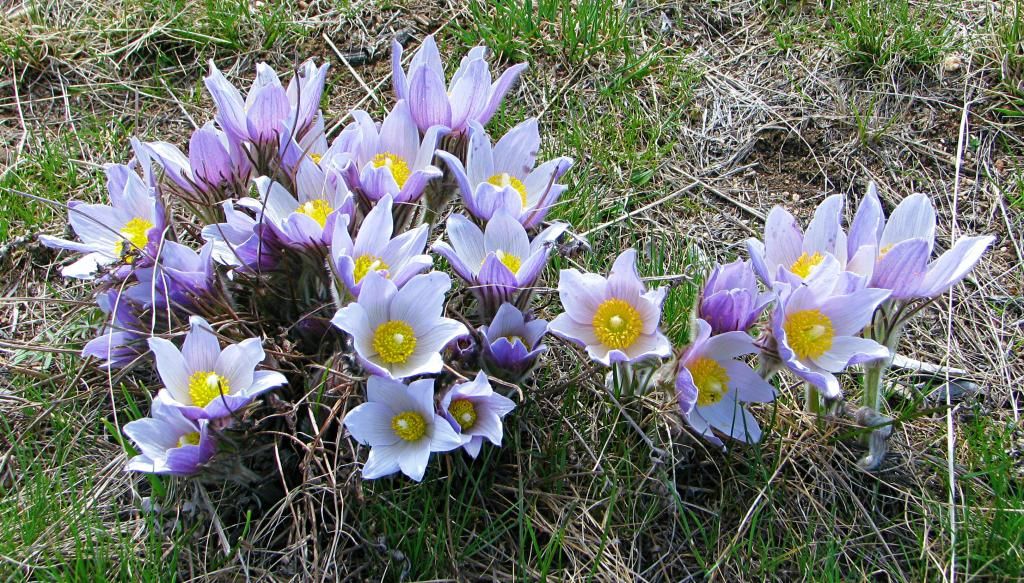
Seeing this makes me anticipate spring:
http://i1072.photobucket.com/albums/w362/townsendia/random%20stuff/pasqu...
Ipomopsis spicata var. orchidacea: VERY fragrant flowers

http://i1072.photobucket.com/albums/w362/townsendia/random%20stuff/038_z...
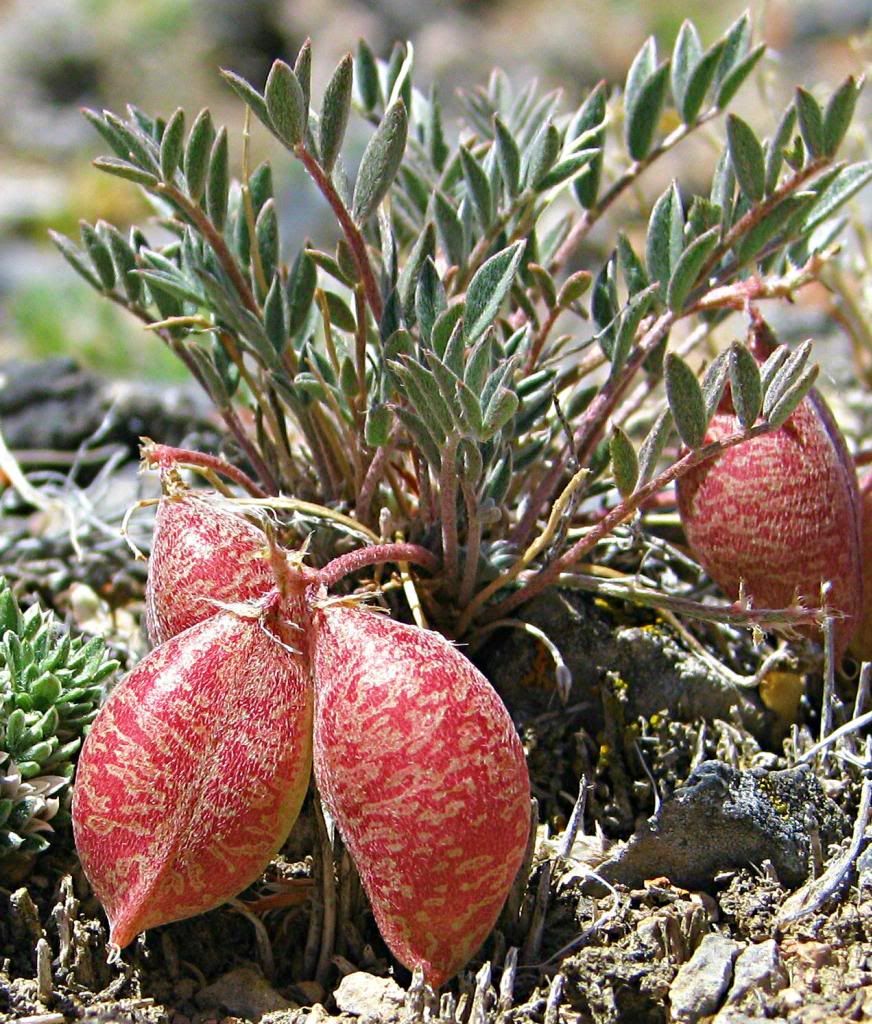
Astragalus platytropis: a tiny species with wonderful pods
http://i1072.photobucket.com/albums/w362/townsendia/random%20stuff/Astra...
Almost white, with a blush of pink:
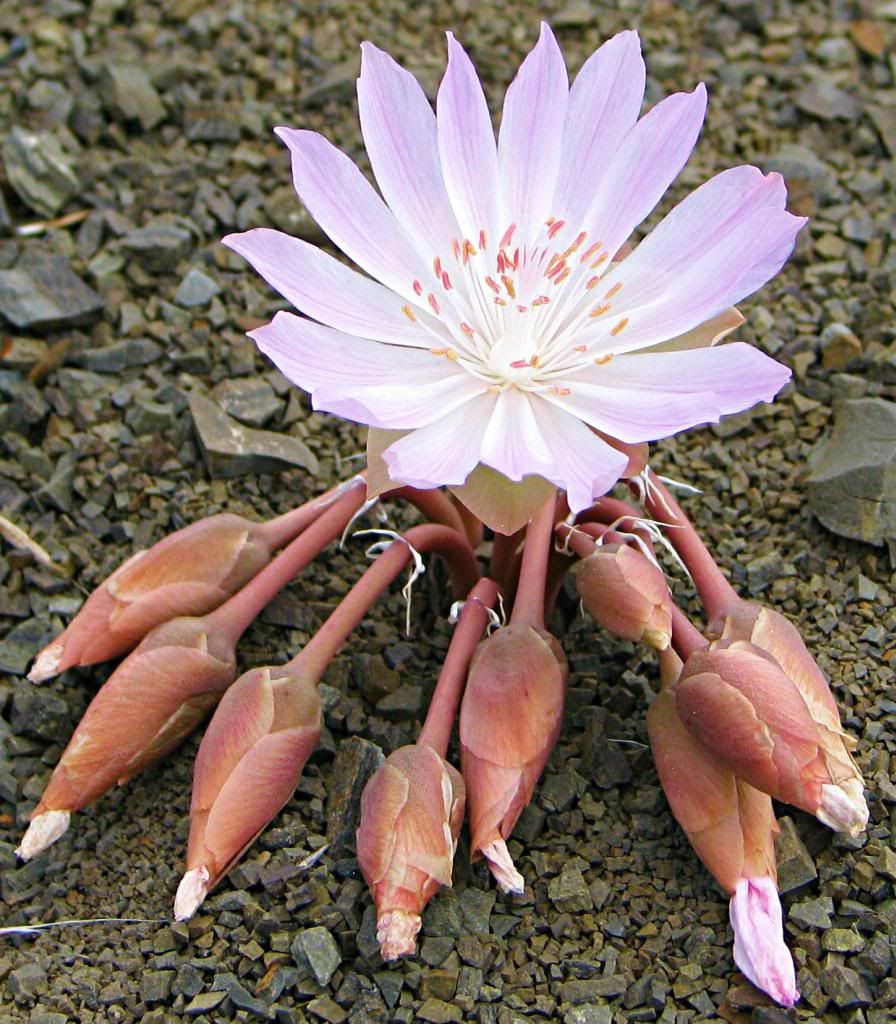
http://i1072.photobucket.com/albums/w362/townsendia/random%20stuff/brt2_...
A wee little Townsendia spathulata from the Pryors, rabbit dropping in lower left indicates size:
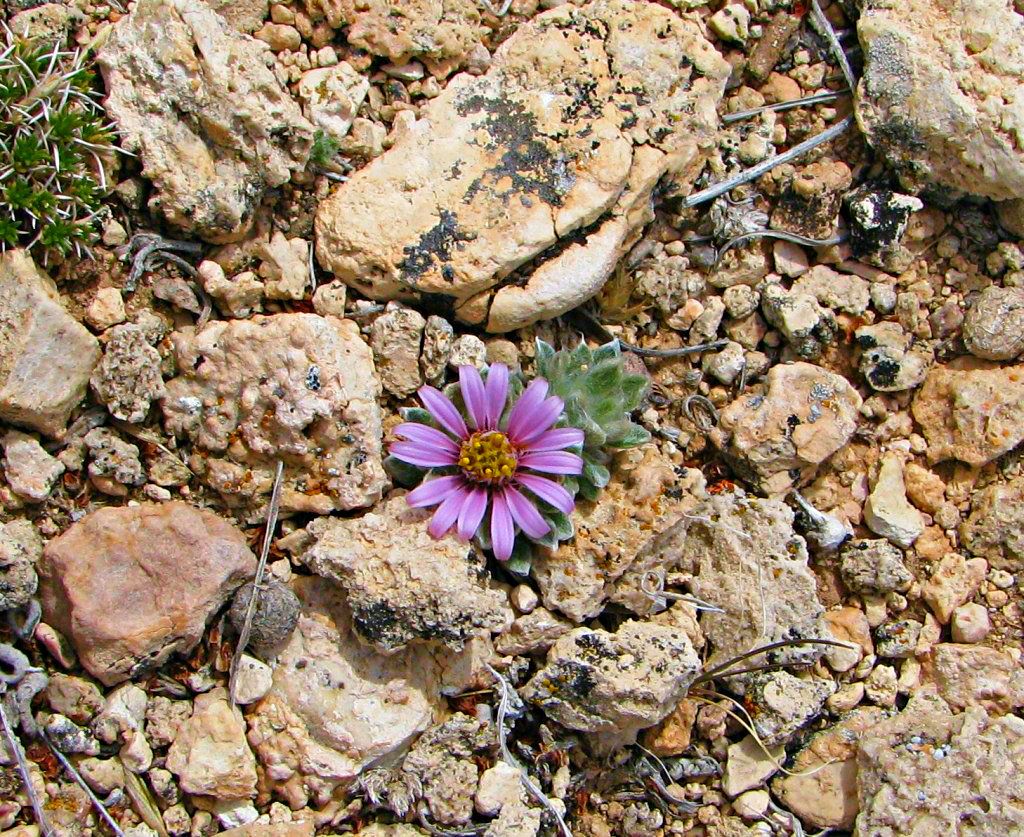
http://i1072.photobucket.com/albums/w362/townsendia/random%20stuff/Tspat...
Escobaria vivipara, photo taken in the glaring sun:
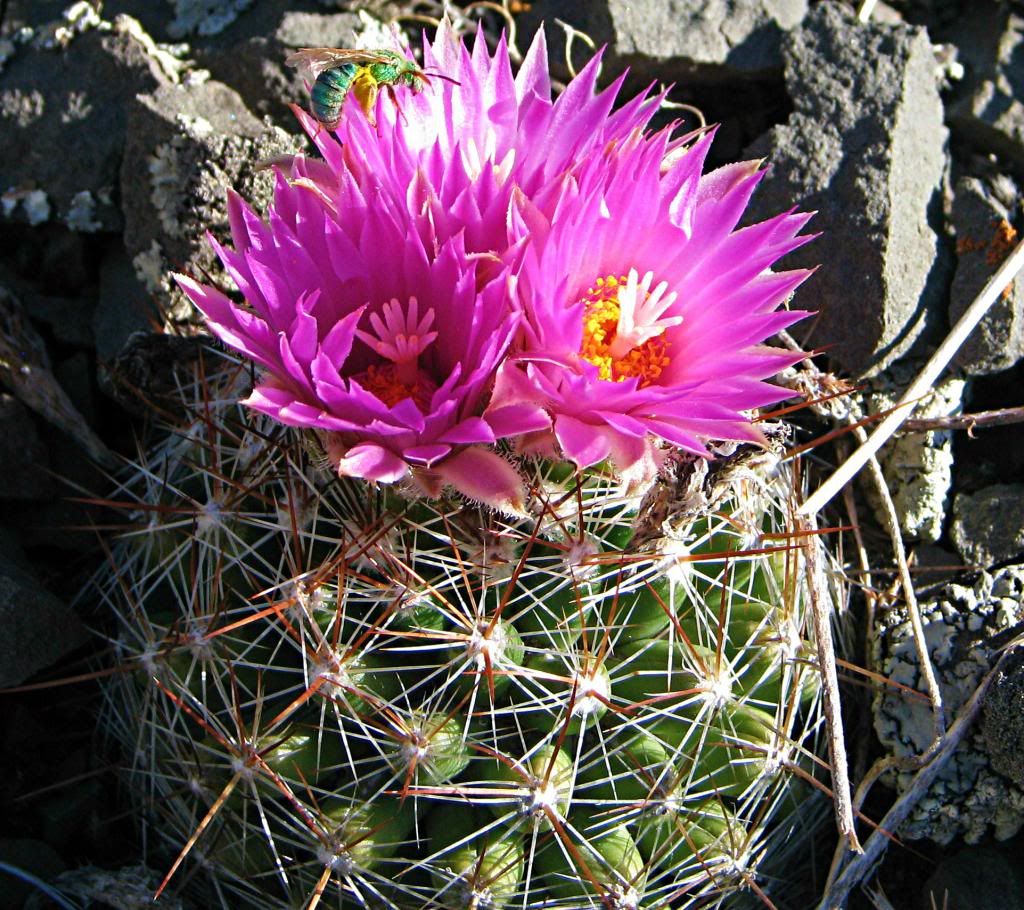
http://i1072.photobucket.com/albums/w362/townsendia/random%20stuff/160_z...
Calochortus gunnisonii:
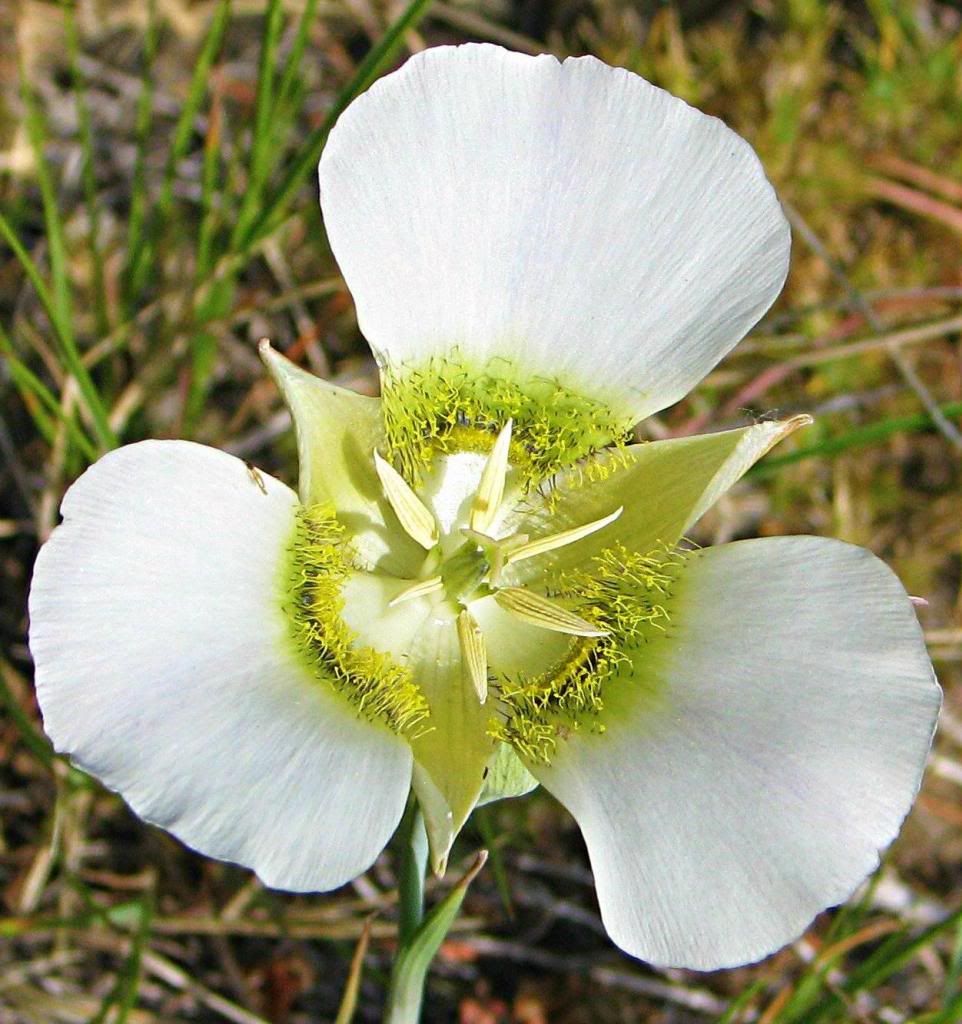
http://i1072.photobucket.com/albums/w362/townsendia/random%20stuff/085_z...
Longma (not verified)
Re: Image of the day - 2013
Mon, 01/14/2013 - 9:07amYou really do post the most amazing pictures Brian. 8) 8) Inspirational, :o ;D Thank you!
cohan (not verified)
Re: Image of the day - 2013
Mon, 01/14/2013 - 10:21amAnother awesome batch! boy, that Townsendia really is tiny!
Trond Hoy
Re: Image of the day - 2013
Mon, 01/14/2013 - 11:55amReally exiting pictures (and plants of course), Brian!
Brian_W (not verified)
Re: Image of the day - 2013
Tue, 01/15/2013 - 5:16amGlad you like the photos. Here are a few more.
Oenothera caespitosa worshiping the moon:
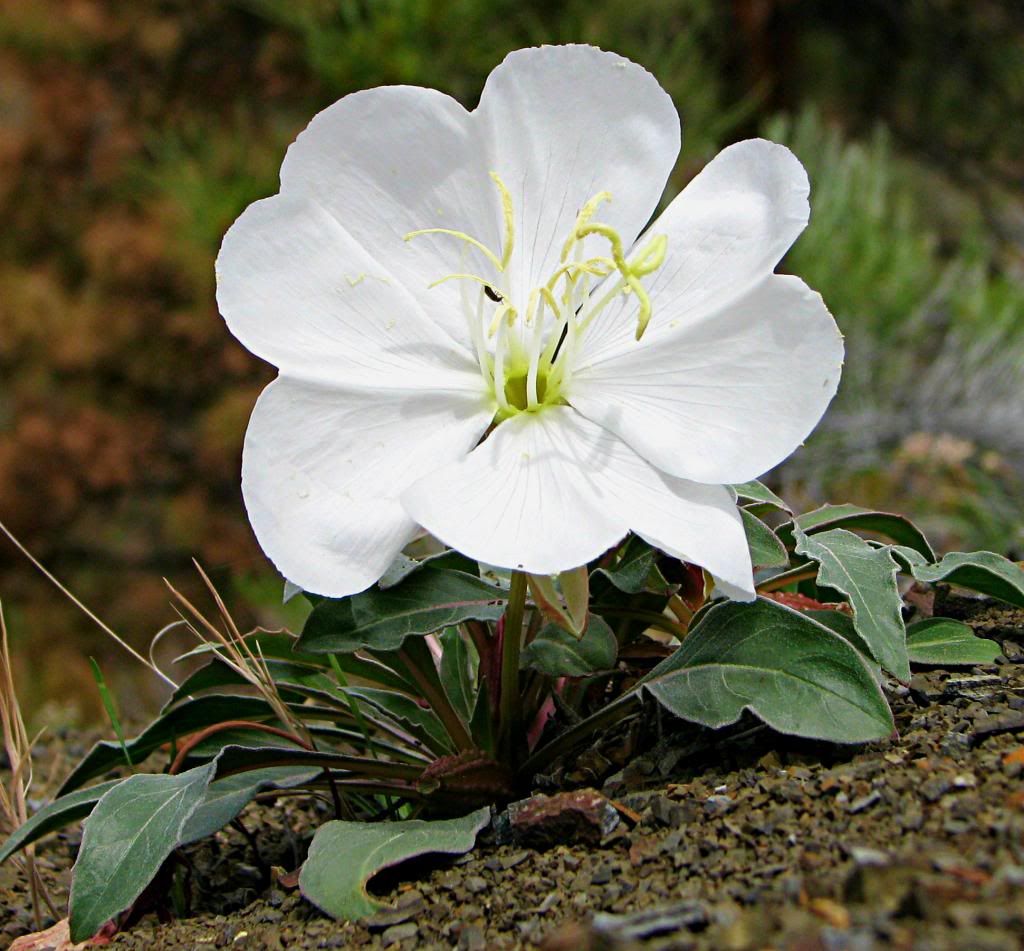
http://i1072.photobucket.com/albums/w362/townsendia/random%20stuff/evepr...
Fritillaria atropurpurea, the sunlight makes the flowers glow like lanterns:

http://i1072.photobucket.com/albums/w362/townsendia/random%20stuff/Frita...
Astragalus hyalinus in the Pryors:
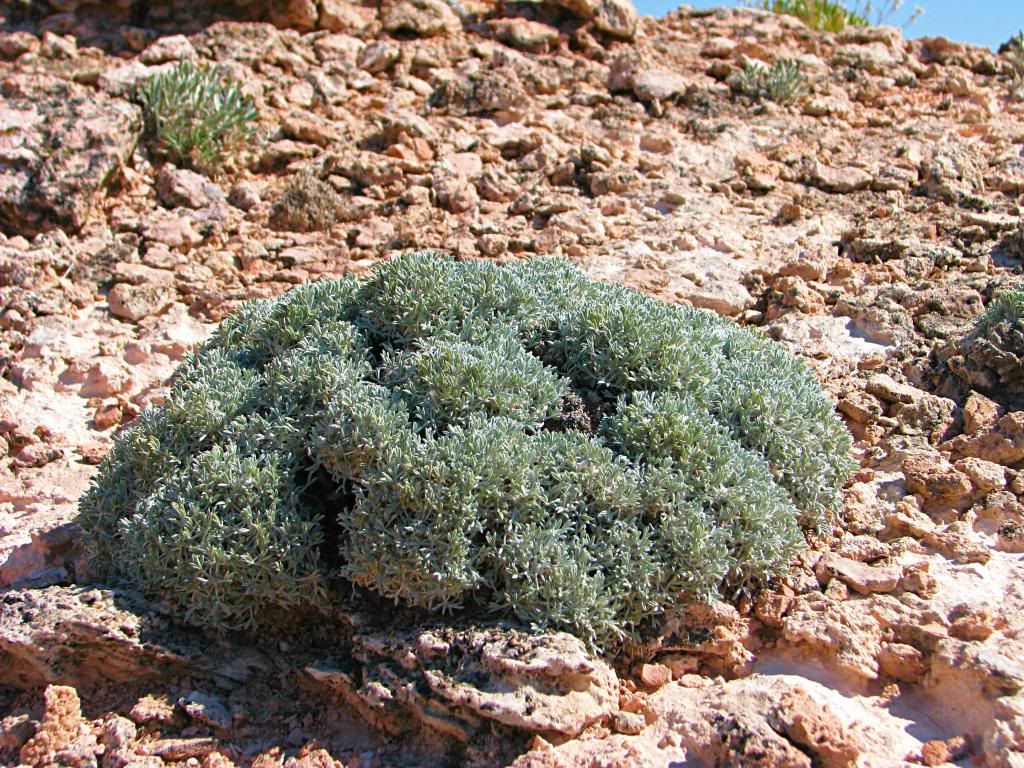
http://i1072.photobucket.com/albums/w362/townsendia/random%20stuff/110_z...
Gentiana affinis, a common late-blooming woodland species:
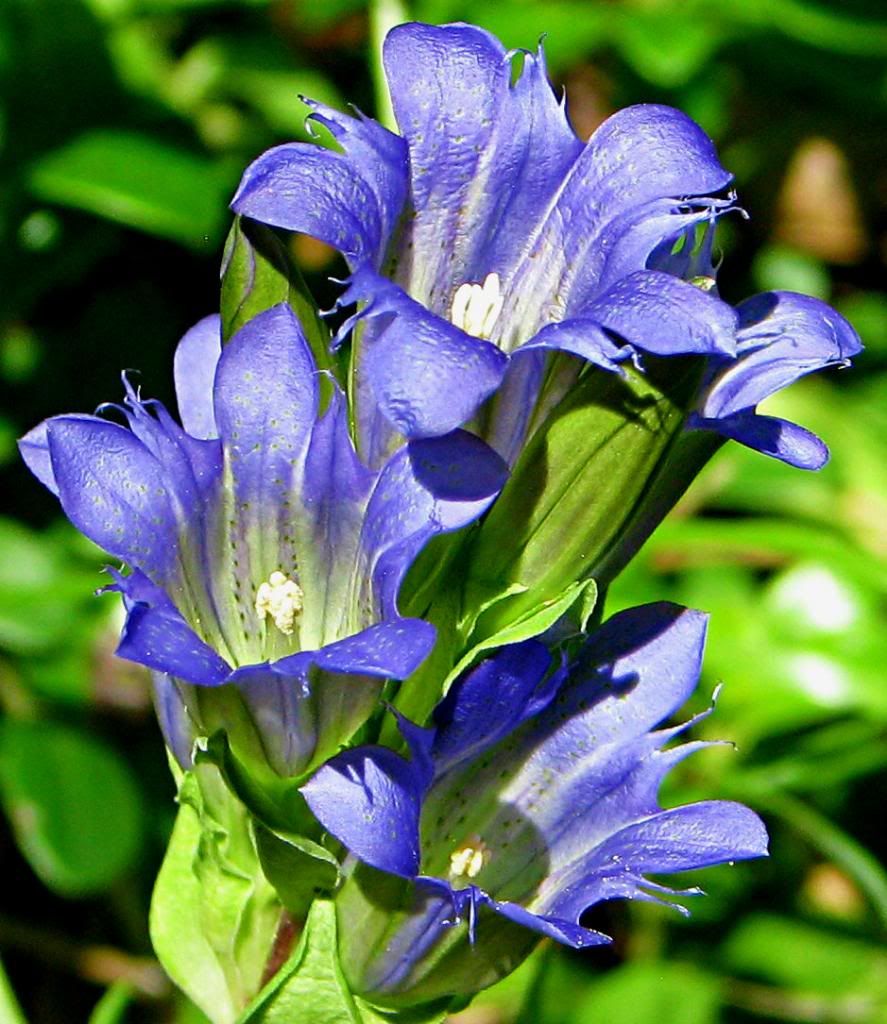
http://i1072.photobucket.com/albums/w362/townsendia/random%20stuff/genti...
Castilleja angustifolia in the sun:
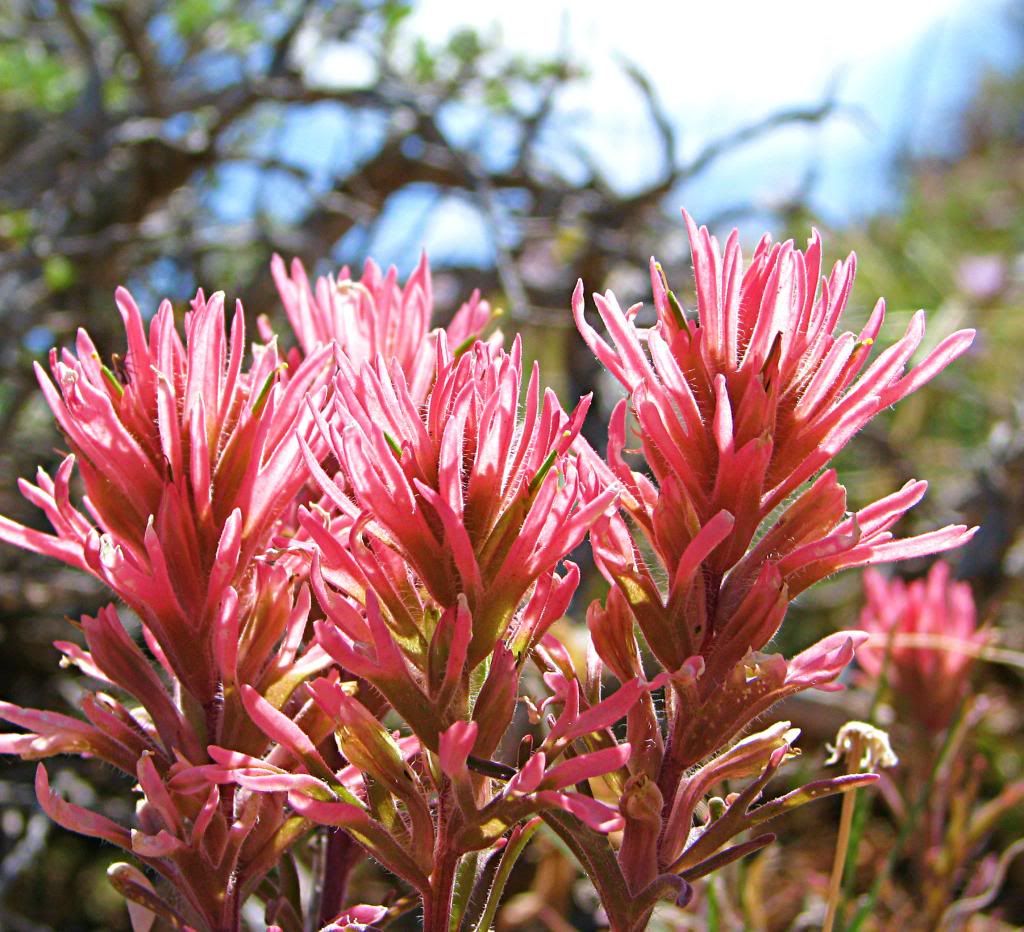
http://i1072.photobucket.com/albums/w362/townsendia/random%20stuff/paint...
...and in the rain:
http://i1072.photobucket.com/albums/w362/townsendia/random%20stuff/India...
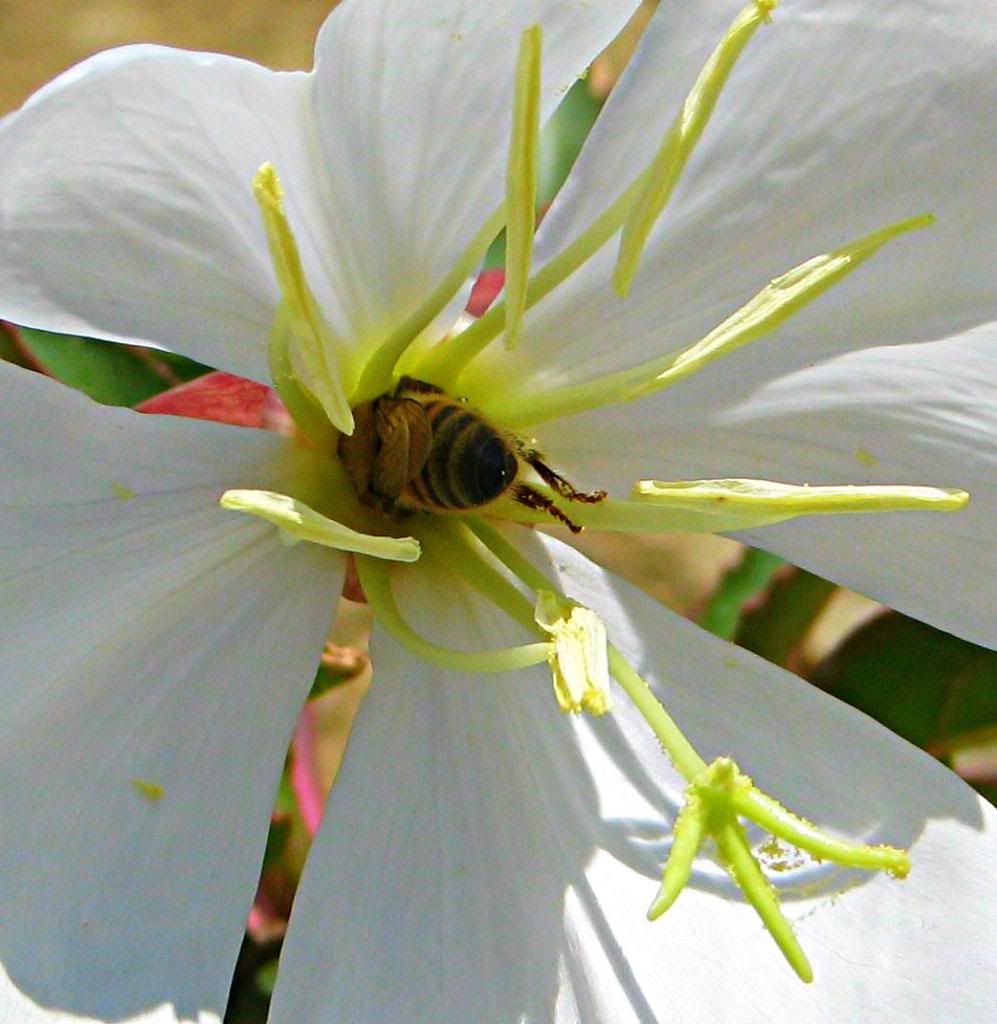
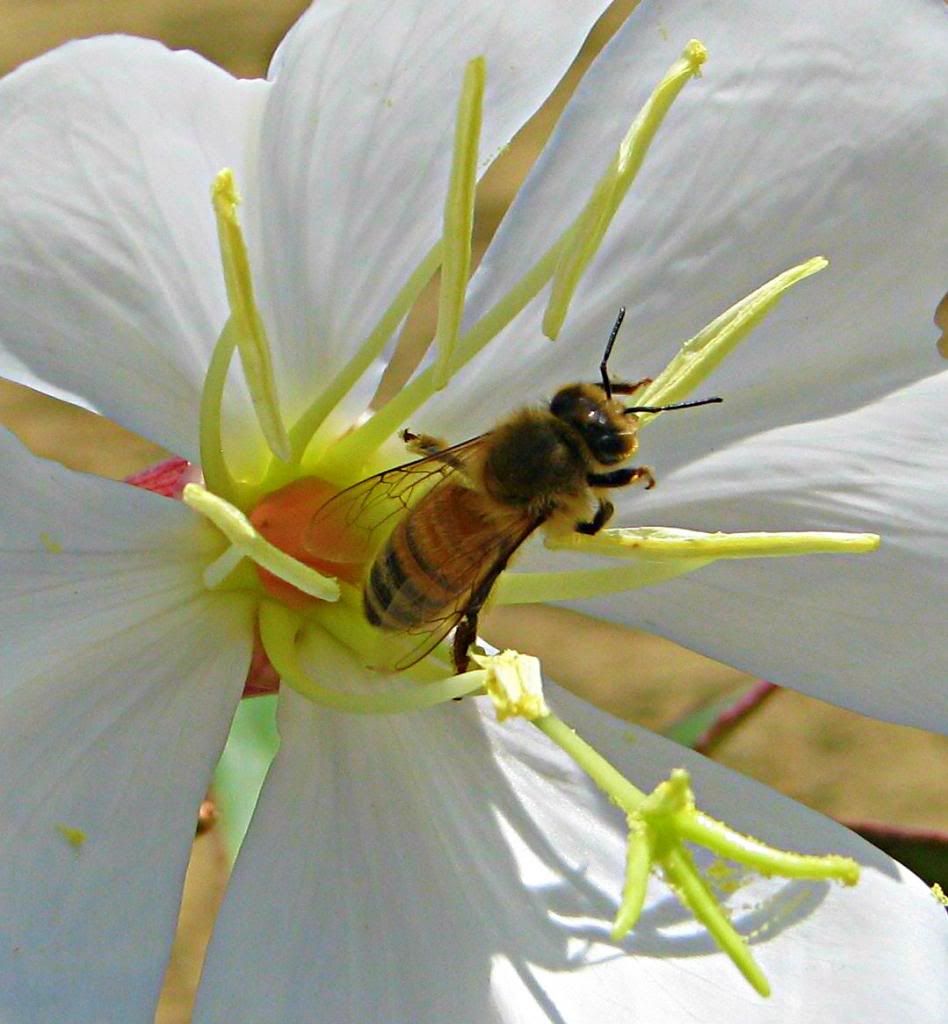
Stuck in the nectar tube of Oenothera caespitosa:
http://i1072.photobucket.com/albums/w362/townsendia/random%20stuff/fined...
Free at last!
http://i1072.photobucket.com/albums/w362/townsendia/random%20stuff/fined...
Townsendia spathulata 'cottonball form' at its fuzzy best:

http://i1072.photobucket.com/albums/w362/townsendia/random%20stuff/cotto...
John P. Weiser
Re: Image of the day - 2013
Tue, 01/15/2013 - 9:59amGlorious photos Brian, Well done!! Give yourself a pat on the back for me!!
Pulsatilla patens the harbinger of spring on the Northern Great Plains!! Brings back lots of good memories!
Is Ipomopsis spicata biannual or perennial?
Brian_W (not verified)
Re: Image of the day - 2013
Tue, 01/15/2013 - 2:03pmJohn,
From what I've observed, Ipomopsis spicata var. spicata is perennial and var. orchidacea is biannual. Both are attractive plants, but I really like the long, tangled hairs on the stem and leaves of var. orchidacea.
Brian
Brian_W (not verified)
Re: Image of the day - 2013
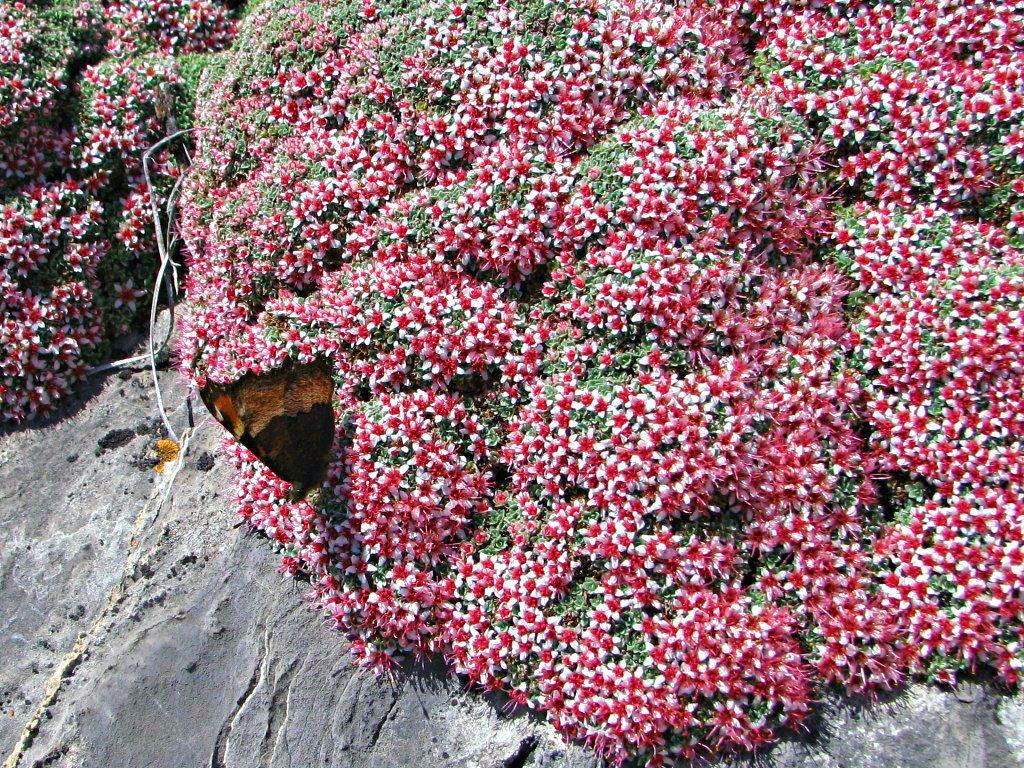
Thu, 01/17/2013 - 5:52amKelseya floral explosion :)
http://i1072.photobucket.com/albums/w362/townsendia/random%20stuff/Kelse...
Wyethia scabra, a plant from the deserts of the southwest, but a population has found a home in the red soils of the pryor mountains, having migrated north through the basin of central Wyoming. I'll admit a certain fondness for these disheveled beauties:
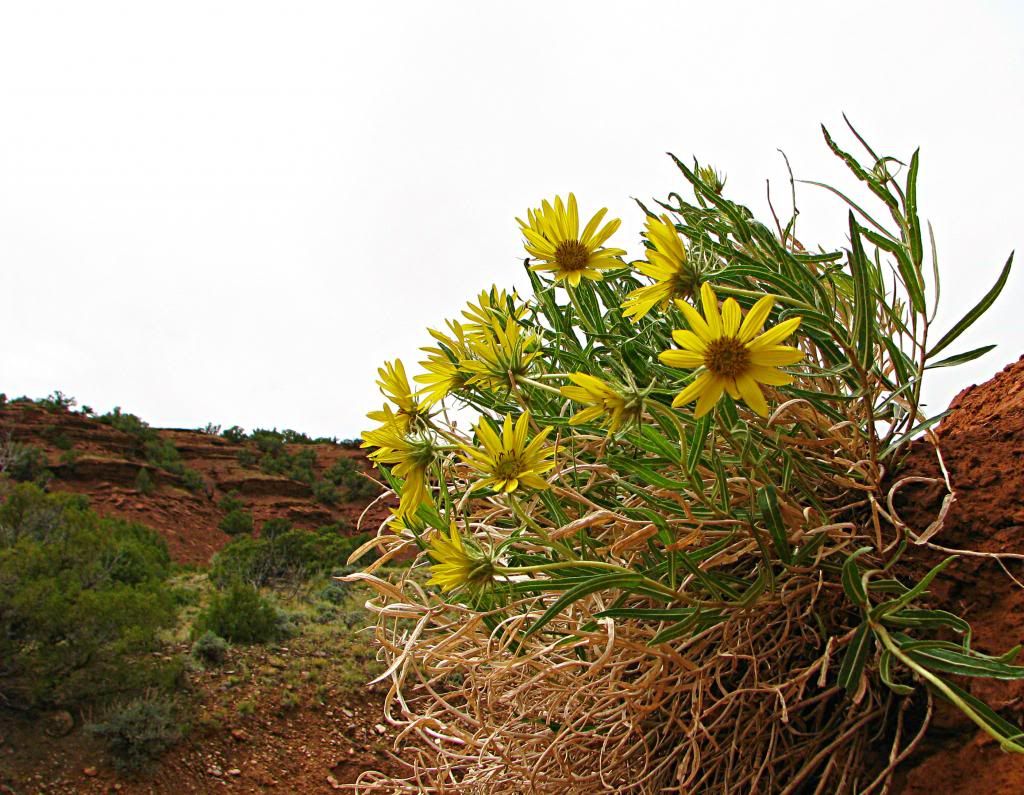
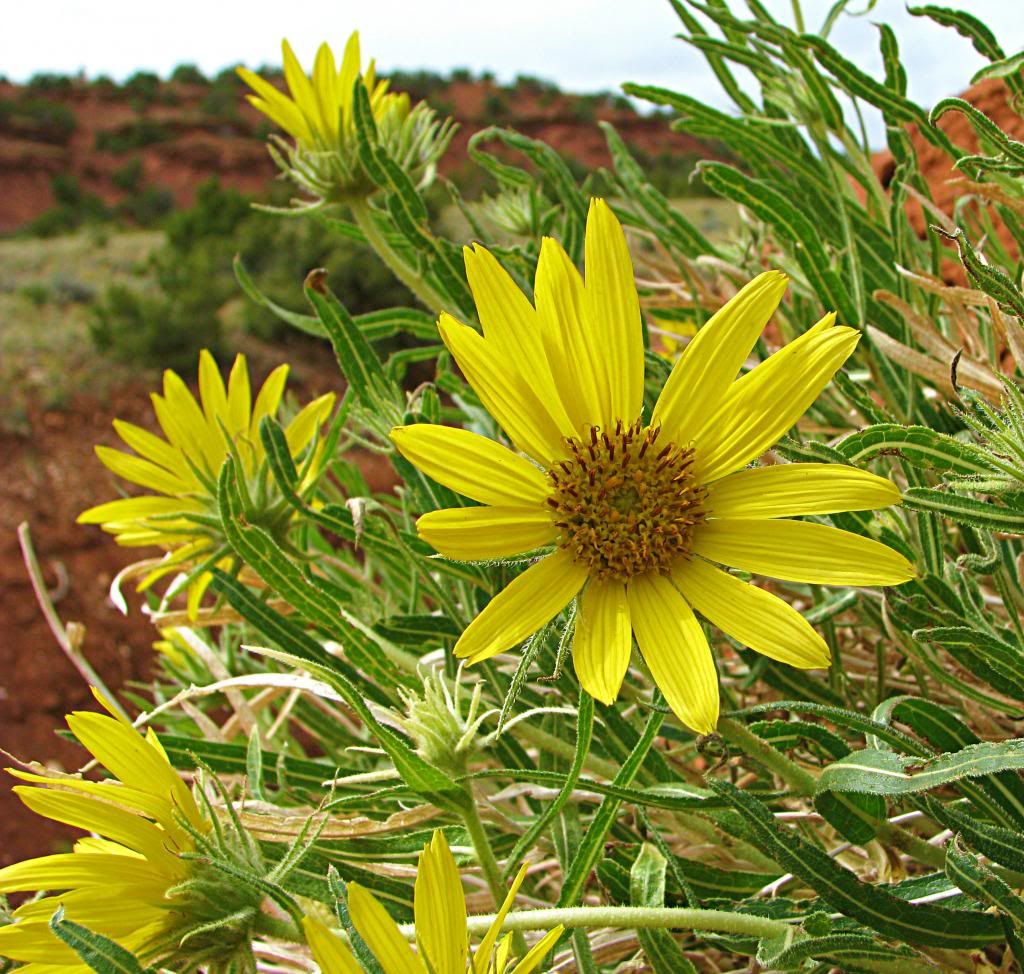
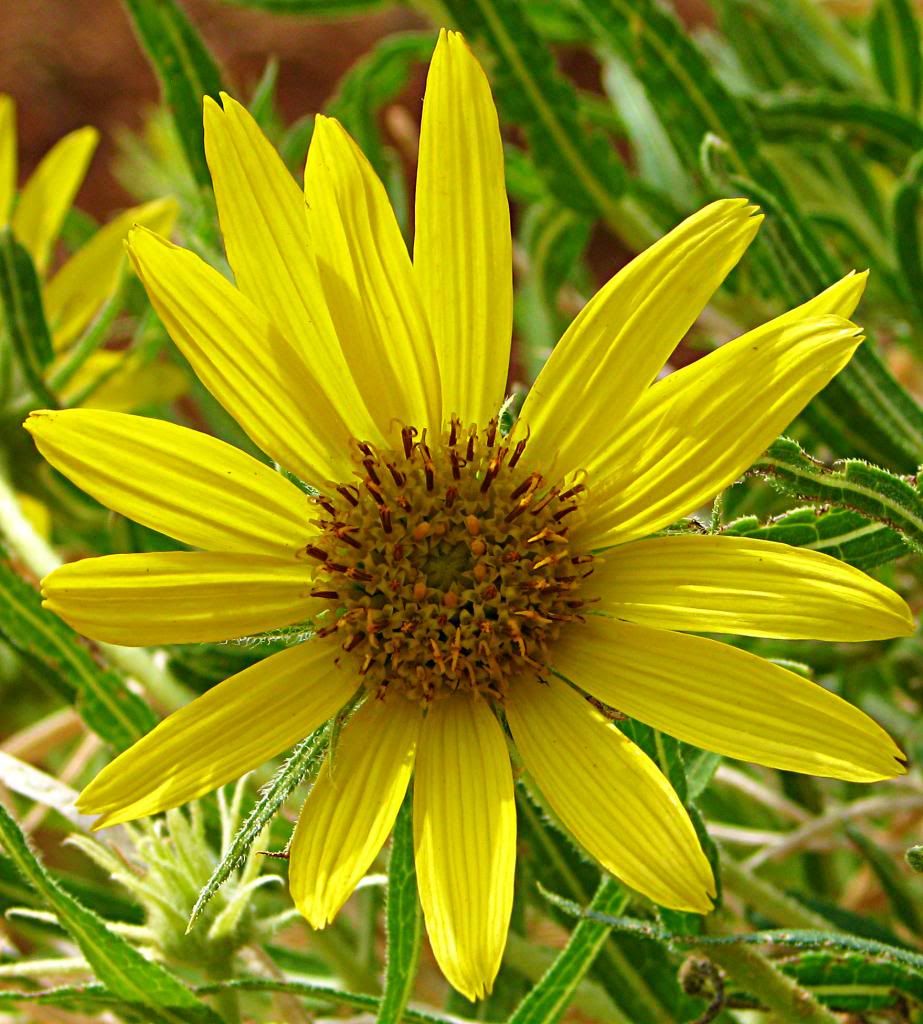
http://i1072.photobucket.com/albums/w362/townsendia/random%20stuff/wyeth...
Penstemon nitidus in a jumble of boulders:
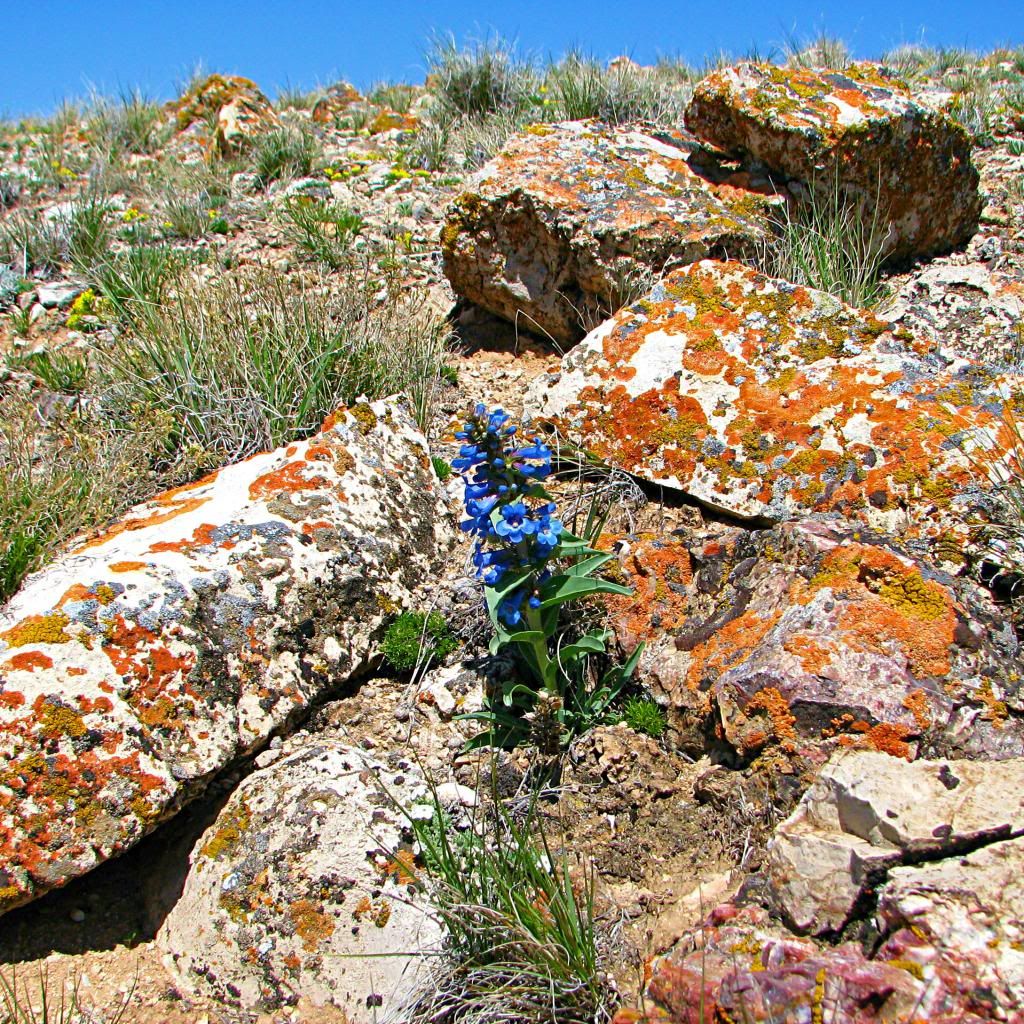
http://i1072.photobucket.com/albums/w362/townsendia/random%20stuff/rockg...
Another prickly poppy:
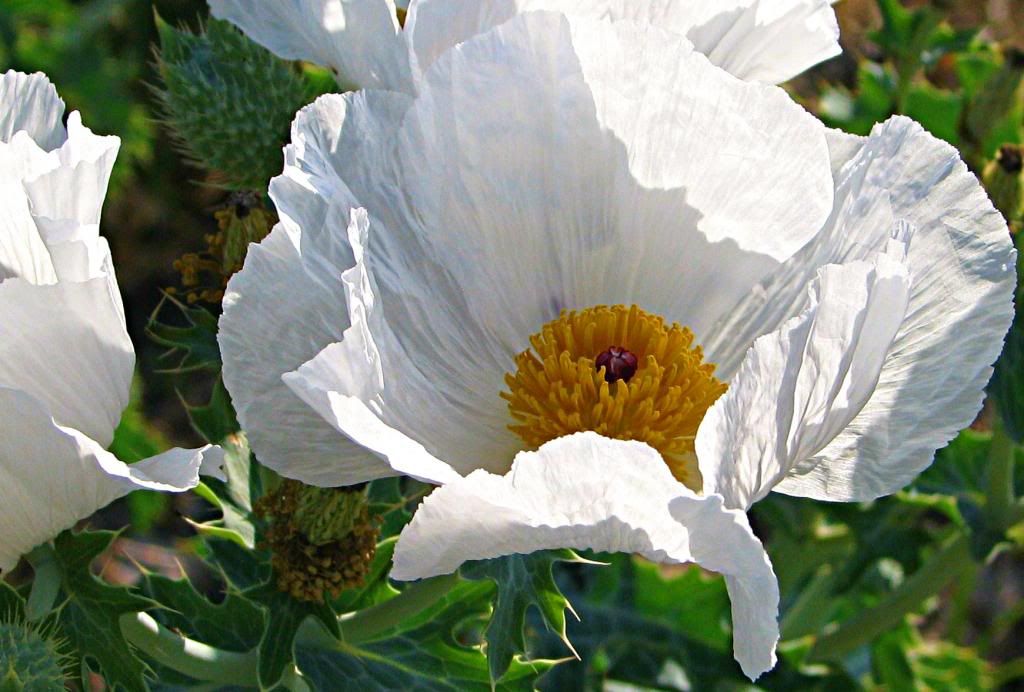
http://i1072.photobucket.com/albums/w362/townsendia/random%20stuff/Prick...
Castilleja angustifolia:
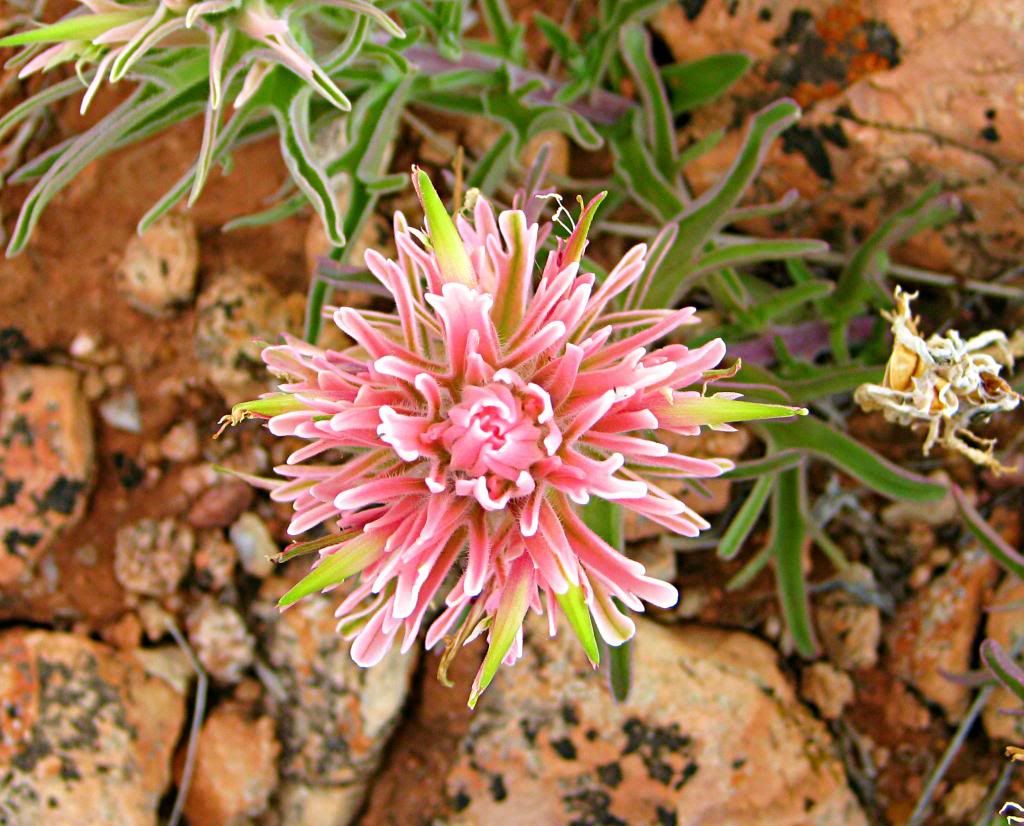
http://i1072.photobucket.com/albums/w362/townsendia/random%20stuff/341_z...
Tim Ingram (not verified)
Re: Image of the day - 2013
Thu, 01/17/2013 - 12:40pmReally great photos! I just want to work out how to transpose a little of the Pryor Mountains into my garden! A very large sand bed in the middle of the lawn? I need to reduce the rainfall by half and increase the light intensity and summer temperatures by 10°C - a glass covered bed might do it?
John P. Weiser
Re: Image of the day - 2013
Thu, 01/17/2013 - 1:45pmPenstemon nitidus in the early spring is always a welcome sight. I love the clear blue against the gray of the foliage. I am happy to say it seeds around for me and is long lived were it's roots can reach a touch of extra moisture, from a near by drip emitter.
Kelseya how wonderful is that!! :o Excuse me for a minute while I wipe the drool from my chin. :-[ There that's better. ;) Your photos of it always get my heart racing. Are you ever able to collect seed or have you ever tried cuttings. The way it clings to the cliff walls is extraordinary, seems to defy gravity!!
And to top it all off, there's a photo of a very nice pink Castilleja angustifolia. I think the syn. is Castilleja chromosa any way that is what we call it. I have encountered pink ones before but we see more fiery reds, bright oranges and lemon yellows
Todd Boland
Re: Image of the day - 2013
Thu, 01/17/2013 - 2:45pmI was in the Bighorns this past July but didn't see anything like that Stanleya..impressive! I was impressed enough with the Frasera.
Gene Mirro (not verified)
Re: Image of the day - 2013
Thu, 01/17/2013 - 6:35pmI was able to grow Mentzelia decapetala in western Oregon in a bed of sandy loam 10" deep, on the south side of the house. It's a big straggly thing, but it's one of my favorite plants. They are biennial here. But they set tons of seed. However, the seed is very tricky to germinate, at least in this climate. It will not self-sow in the sand bed. I haven't figured out yet what it wants. It likes to germinate in cool weather, but it's not reliable. It is extremely difficult to transplant out of a pot, because the big taproot doesn't hold the soil together.
Is it a coincidence that nearly all of my favorite plants are nearly impossible to grow?
Brian_W (not verified)
Re: Image of the day - 2013
Thu, 01/17/2013 - 7:25pmJohn,
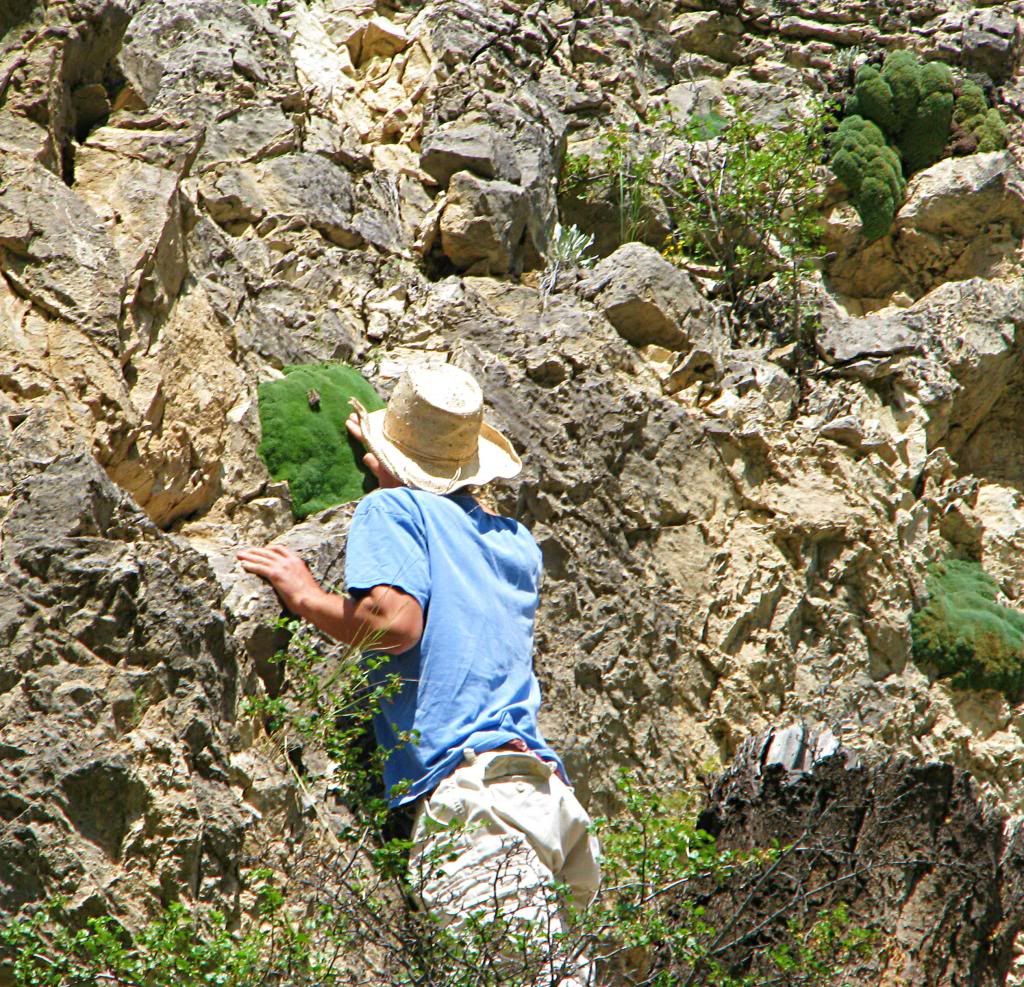
Kelseya is a very unique and spectacular plant. In the Big Belt mountains outside of Helena, it is very common. I've been collecting seed from it for 7 years now. It's difficult to get a good quantity not only because of the cliff-side habitat, but also because the tiny seed pods are embedded in the cushion. I basically have to wedge myself up against the cliff with one hand holding a coin envelop and the other massaging the cushion in order to free the seed pods. The seed germinates quite readily once frozen, but the seedlings grow very slow. I mean VERY slow. They are a good plant for tufa.
Here in the Big Belt mountains:
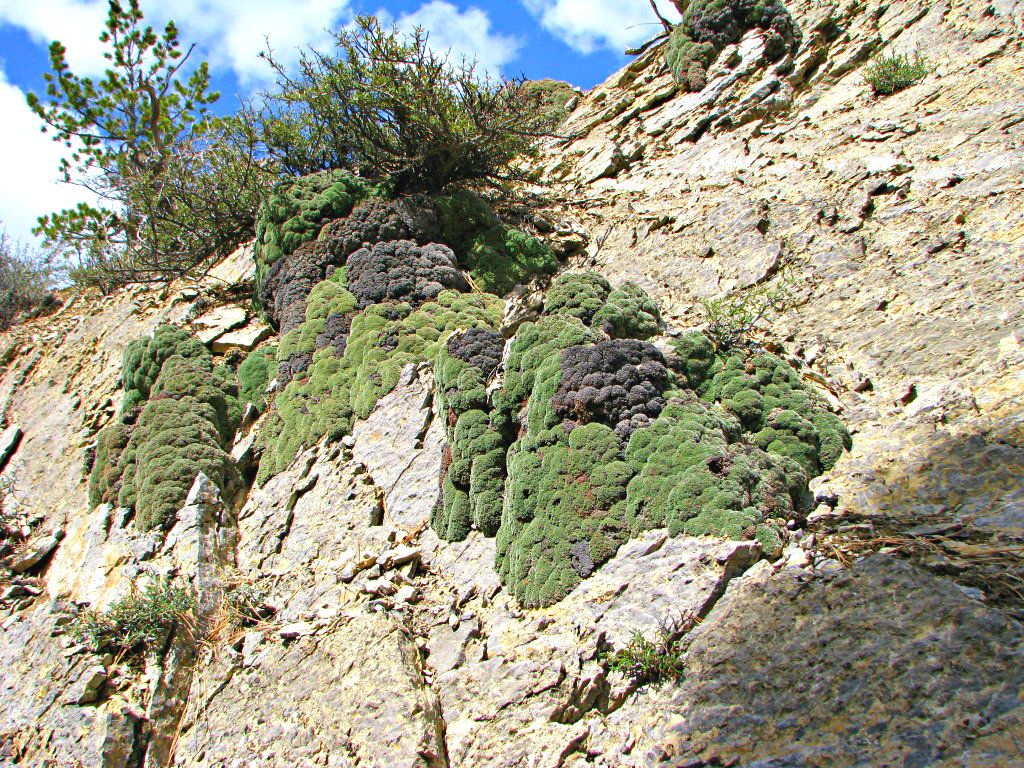
http://i1072.photobucket.com/albums/w362/townsendia/random%20stuff/001-1...
A 4 year old plant in cultivation. A mere 3 inches in diameter, it bloomed last spring:
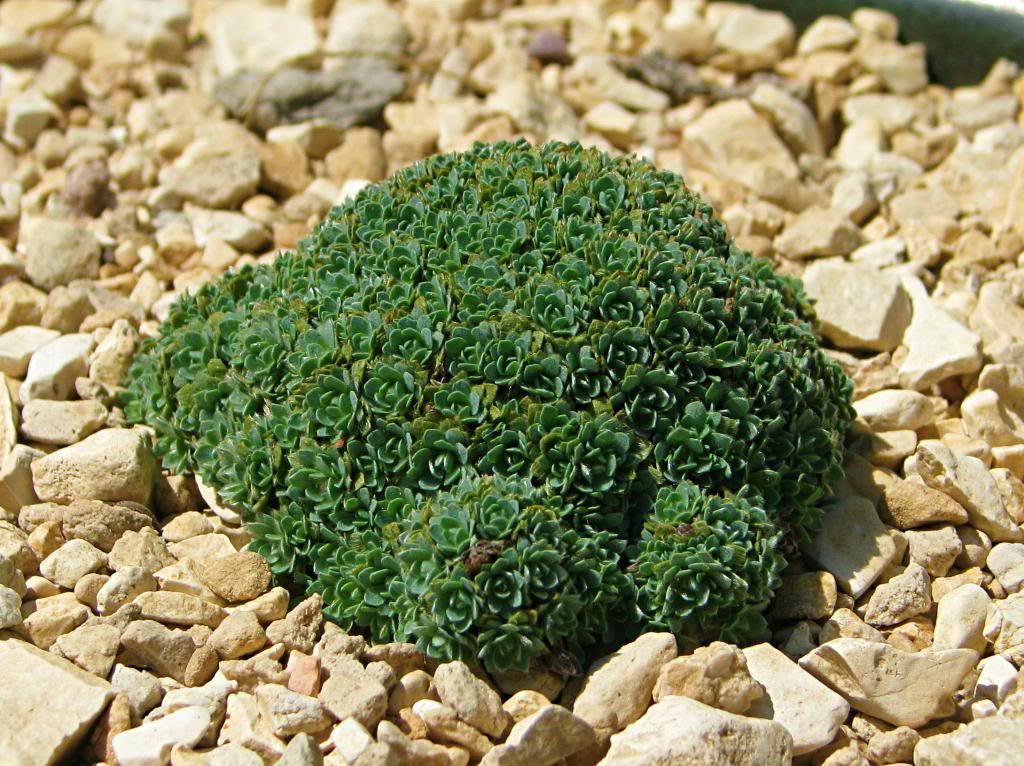
http://i1072.photobucket.com/albums/w362/townsendia/Kelseya4yrs_zpse1e9e...
Most people in Montana are totally unfamiliar with Kelseya, although there is a local photographer who takes outstanding photos of them. Please visit his gallery, his photos do them justice: http://eyeinthewild.smugmug.com/Art/Earthscapes/Kelseya-uniflora/11666002_h3tMqk#!i=1273436543&k=qR6nm3X
Todd,
Stanleya tomentosa is mostly a plant of the Pryor mountains, but it can be found in Northern Wyoming. You have to look for it in the BigHorn Basin. It is a desert species.
Brian
cohan (not verified)
Re: Image of the day - 2013
Thu, 01/17/2013 - 9:57pmGene- surely no coincidence- we've discussed before this inverse relationship between a plant's desirability and it's ease of cultivation!
John- interesting colour range you mention for Castilleja angustifolia- Alplains lists it this way: Castilleja angustifolia (Scrophulariaceae) (16x12,Z4,P,RL3:6w) ......................................... 100 seeds / $3.50
07832.18 (W) Butte Co., ID, 6800ft, 2073m. A spring-blooming sp. with gorgeous flower spikes in various purple, plum or pink shades. On alluvial plains of gravelly, loamy soils.
Must be a regional difference..
Brian- 3 inches in 4 years is not as bad as I thought when I heard very slow- though of course it is slow when one is wanting one of those great cushions ;D is it amenable to transplanting of seedlings or plants several years old? (just thinking once a person had one growing, they'd want to take it along if they moved!)
Anne Spiegel
Re: Image of the day - 2013
Thu, 01/17/2013 - 10:45pmThanks for the site, Brian. What fabulous pictures of Kelseya. I rmember seeing a cliffside with huge cushions of Kelseya in the Big Horns - unfortunately not totally in bloom.
John P. Weiser
Re: Image of the day - 2013
Thu, 01/17/2013 - 11:09pmCohan
Mark Egger is one of the leading authorities on many of the genera included in Orobanchaceae. He maintains an extensive collection of photos on his Flickr sight. You can find it at:
http://www.flickr.com/photos/34090482@N03
The sets concerning Castilleja angustifolia and Castilleja chromosa are here:
http://www.flickr.com/photos/mark_egger_castilleja/sets/72157618126246340/
http://www.flickr.com/photos/mark_egger_castilleja/sets/72157622958231623/
http://www.flickr.com/photos/mark_egger_castilleja/sets/72157623099443080/
http://www.flickr.com/photos/mark_egger_castilleja/sets/72157623092414012/
http://www.flickr.com/photos/mark_egger_castilleja/sets/72157622936648115/
http://www.flickr.com/photos/mark_egger_castilleja/sets/72157622992818505/
I hope this clears up some of the confusion. The reason I stated that Castilleja angustifolia and Castilleja chromosa were synonymous was from my experiences with the Jepson Manual used in California. I guess I was assuming that the same held true across the west. I was wrong. :rolleyes:
It's always nice to know were to find an expert. I hope you enjoy his Flickr sight It's a great resource.
Brian_W (not verified)
Re: Image of the day - 2013
Fri, 01/18/2013 - 6:02amCohan,
Kelseya grows very well in pots, as long as the roots stay cool. This would be the best way for a person who anticipates a move. Once the plants are established in the rock garden, I don't think they can be transplanted.
Kelseya is always a plant worth seeking out. A photo of me in the cliffs:
http://i1072.photobucket.com/albums/w362/townsendia/kelseyaandi_zps607a1...
I find myself anticipating spring more and more...
http://i1072.photobucket.com/albums/w362/townsendia/cottonballinbud_zpse...
Pages